Last updated October 31, 2026
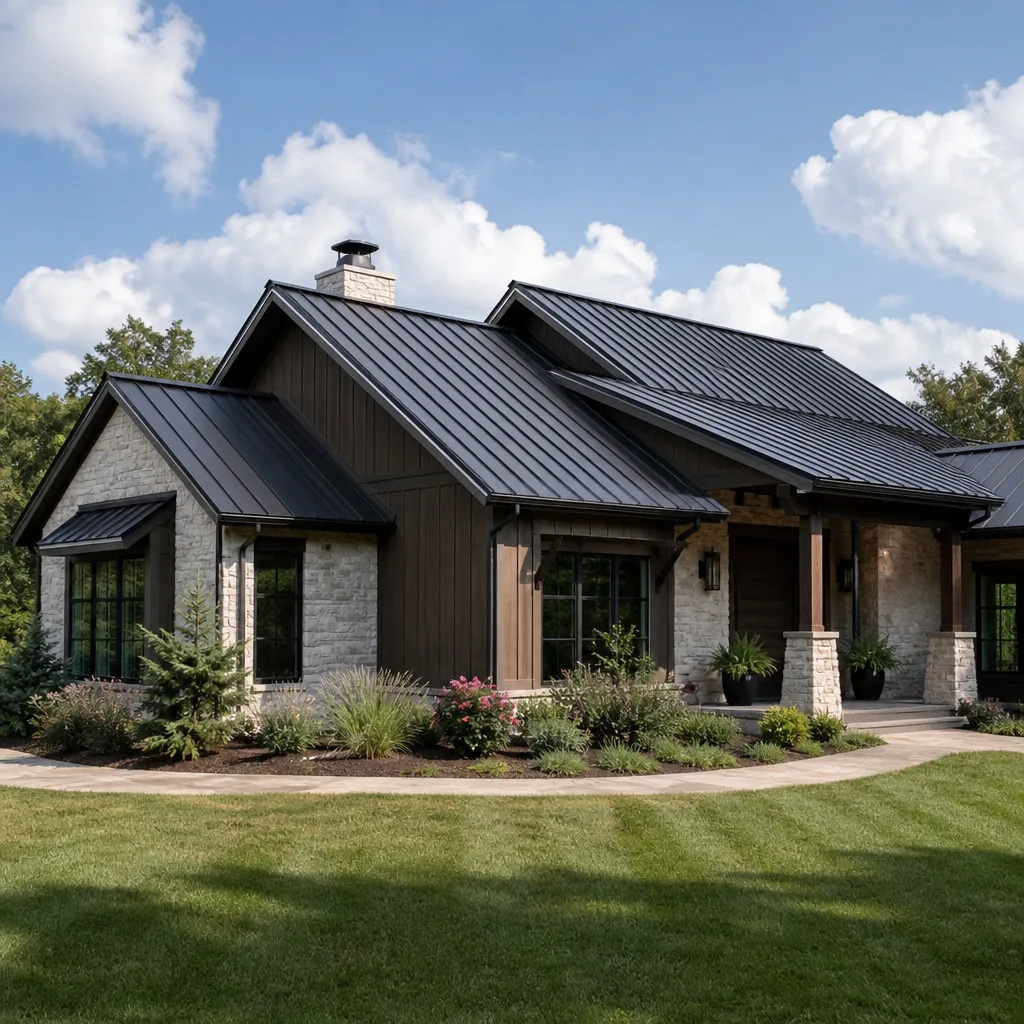 Metal roofing
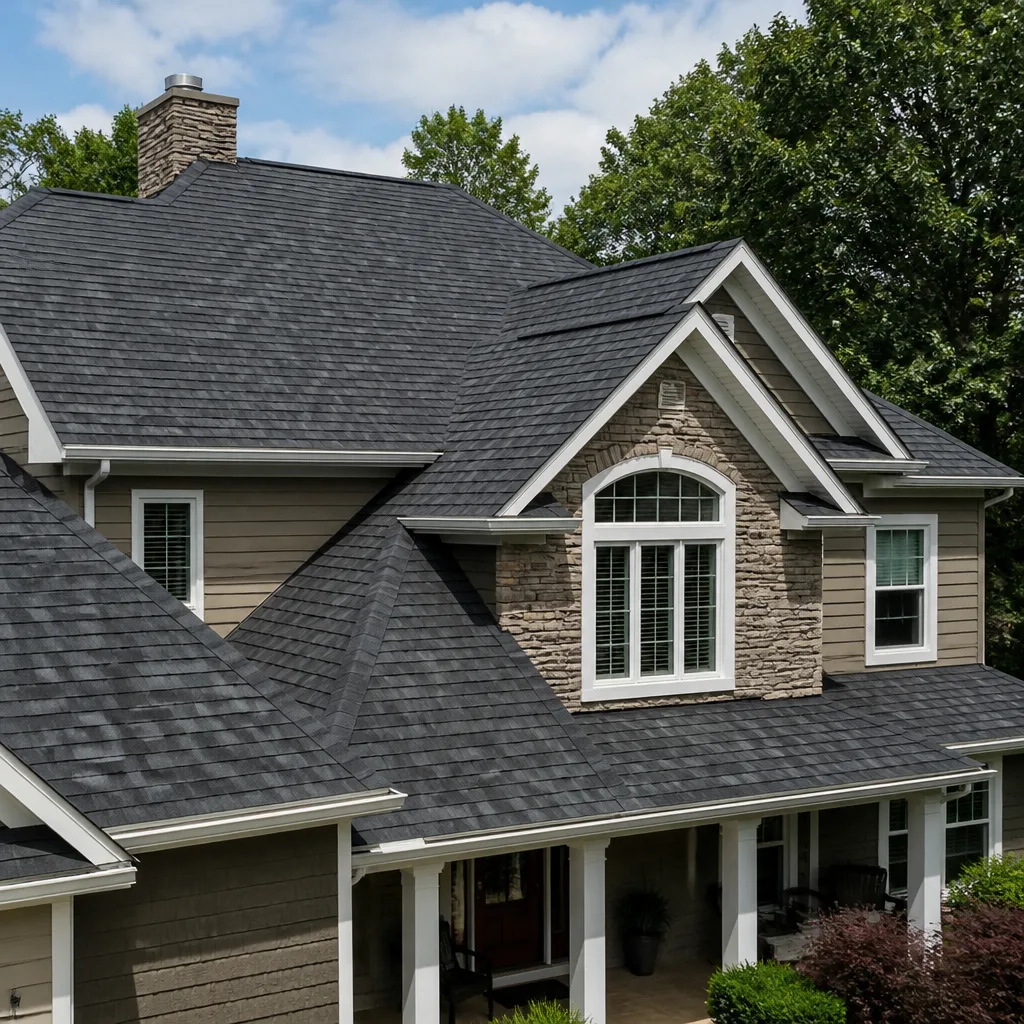 Architectural shingles
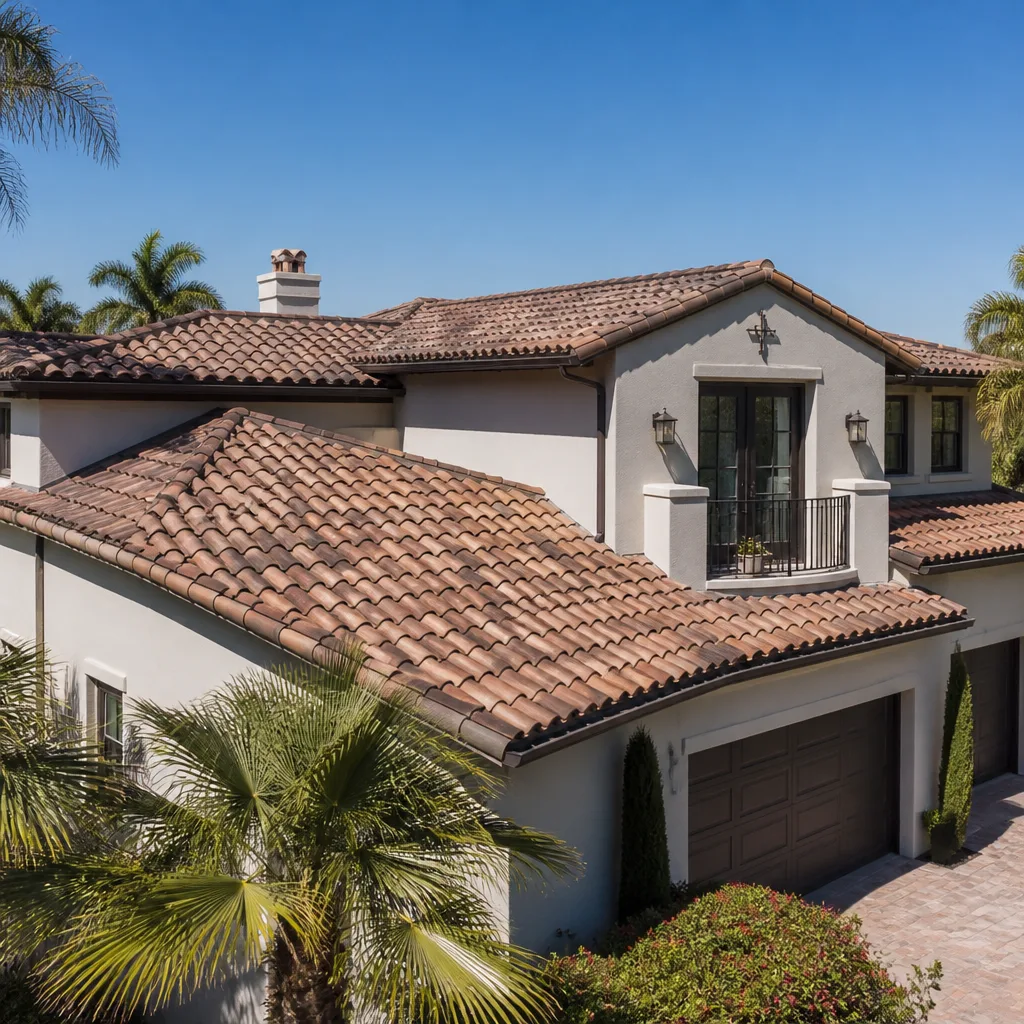 Tile roofing
 GAF
 Owens Corning
 Flat & low-slope
Free roof inspection with deck photos before we talk money - GAF and Owens Corning certified installation
How to Hire a Roofing Contractor in East Los Angeles: A Step-by-Step Guide
California logs more roofing contractor license complaints than any other state, and Los Angeles County drives a disproportionate share of them. East Los Angeles sits at the center of that problem, where you’ll find three types of roofers competing for your job: legitimate multi-brand contractors, single-brand installers who bid low and limit your options, and unlicensed crews that sweep through after every windstorm. This guide walks you through the exact steps to separate the first group from the other two, so your roof gets fixed right without paying for an expensive education in contractor vetting. For more guides & resources, see our blog.
Quick Answer
To hire a roofing contractor in East Los Angeles, verify their CSLB license and bond status online, require a written bid that names the specific material brand and model being quoted, ask whether they install multiple manufacturers’ products (single-brand installers often push the shingle that earns them the highest margin), and sign a contract that spells out scope, permits, debris removal, and a payment schedule tied to completed work. Expect to pay $450 to $650 per square for architectural shingle replacement in ELA, with repairs ranging from $350 to $1,200 depending on the issue.
Styles & brands we work with
Table of Contents
- Step 1: Verify the CSLB License, Bond, and Complaint History
- Step 2: Ask the Single-Brand Question That Exposes a Limited Roofer
- Step 3: Get Three Bids and Normalize Them So You’re Comparing Apples to Apples
- Step 4: The Five Contract Clauses That Protect You
- Step 5: Spot the Post-Storm Solicitation Pattern in ELA
- Step 6: Why an Independent Inspection Should Come Before Any Commitment
- Step 7: Understand Permits, Inspections, and Code Requirements in East Los Angeles
- Common Mistakes to Avoid
Step 1: Verify the CSLB License, Bond, and Complaint History
This step takes less than ten minutes and eliminates the majority of bad actors before you ever pick up the phone. The California Contractors State License Board (CSLB) maintains a free online database where you can check three things: whether the license is active, whether the contractor carries the required $25,000 bond, and whether any complaints or disciplinary actions appear on their record. A roofer working in East Los Angeles must hold a C-39 roofing classification. Not a general B license. Not a handyman registration. C-39 specifically.
- Go to cslb.ca.gov and click “Check a License.” Enter the contractor’s name or license number. Write down the license number the moment you get it.
- Confirm the classification is C-39. If it says “B – General Building,” the contractor can legally do roofs, but a C-39 holder has passed a roofing-specific exam and carries a bond tied to roofing work specifically.
- Check the bond status. The CSLB page shows whether the contractor’s $25,000 bond is active. An inactive bond means the contractor cannot legally pull permits or sign enforceable contracts in California.
- Look at the complaint history. Any formal complaint, arbitration, or disciplinary action appears on this page. A contractor with repeated complaints about abandoned work or failure to pay subcontractors should be crossed off your list immediately.
- Verify the business name matches. If the license holder is “ABC Roofing Inc.” but the person at your door says they’re working for XYZ Construction, ask for written proof they’re an authorized representative of the licensed entity.
In East Los Angeles specifically, we see a recurring pattern: unlicensed crews borrow or rent a licensed contractor’s number to bid jobs. The homeowner checks the license, sees it’s active, and never realizes the people doing the work have no legal connection to that license. The fix is simple: the name on your contract must be the same name on the CSLB license, and the license number must appear on every page of the bid.
Step 2: Ask the Single-Brand Question That Exposes a Limited Roofer
Here’s a question most East Los Angeles homeowners never think to ask, and it reveals more about a contractor than any Yelp review: “Which shingle brands do you install, and why?” A contractor who installs only one brand, say Owens Corning exclusively, has made a business decision that works for them. It does not necessarily work for you. Single-brand installers often have distributor incentives, rebate programs, or volume pricing that makes one product line more profitable. They will frame that product as “the best on the market,” but what they’re really saying is it’s the only option they can offer.
A material-agnostic contractor stocks and installs products from multiple manufacturers: CertainTeed, Owens Corning, IKO, Atlas, and others. That matters for two reasons. First, different roof substrates, slopes, and climate exposures perform better with different material systems. A low-slope section over an ELA porch addition may want a different underlayment and shingle spec than the main gable. Second, warranty structures vary widely between brands. CertainTeed offers a specific combination of wind and algae warranties that differs from what IKO or Atlas provide. If your contractor only installs one brand, you get one warranty structure whether it fits your roof or not.
When you ask the question, listen for the answer. A contractor who says, “We install all seven major brands: GAF, CertainTeed, Owens Corning, IKO, Atlas, Tamko, and Boral” is telling you they can match material to your specific roof and budget. A contractor who says, “We only install [Brand X] because it’s the best” is telling you their business model matters more than your roof. The right material for your roof is a decision based on slope, sun exposure, wind patterns, and your long-term plans for the house, not whatever brand happens to be in the contractor’s warehouse.
Step 3: Get Three Bids and Normalize Them So You’re Comparing Apples to Apples
Every guide says “get three bids.” Almost none tell you how to compare them when the three contractors quote different materials, different scopes, and different warranty levels. In East Los Angeles, where housing stock ranges from 1920s bungalows in City Terrace to mid-century ranch homes in Boyle Heights, roof pitches, decking conditions, and access constraints vary dramatically. One contractor bids IKO architectural shingles at $14,500. Another bids CertainTeed Landmark at $17,800. A third bids Owens Corning Duration at $16,200. Which is the better deal? You cannot answer that without normalization.
Here’s the normalization method we recommend to every East Los Angeles homeowner:
- Square footage agreement. Make sure all three bids are based on the same roof square footage. Contractors measure roofs differently. Ask each one to write the roof square count on the bid. If one says 22 squares and another says 26, ask the second to re-measure or show their math.
- Material tiering. Group the shingle brands into tiers. Entry-tier 3-tab shingles are the cheapest and shortest-lived. Architectural shingles (sometimes called dimensional or laminated) are the mid-tier and the most common choice in ELA. Premium designer shingles from CertainTeed or Owens Corning cost more but carry longer warranties and better wind resistance. Compare bids only within the same tier.
- Warranty line items. Ask each contractor to write the manufacturer warranty length and the specific product line on the bid. A 25-year 3-tab shingle is not comparable to a lifetime architectural shingle, even if both say “warranty” in the marketing language.
- Underlayment and decking. The cheapest bid often assumes zero decking replacement and basic felt underlayment. A more honest bid accounts for 2 to 3 sheets of plywood replacement and a synthetic underlayment. Ask each bidder: “What underlayment are you quoting, and how many sheets of decking are you budgeting?”
- Access and disposal. Steep roofs, two-story homes, and narrow alleys all add cost. Make sure each bid says how the crew will access the roof and who pays for the dumpster.
Once normalized, you will often find the “cheapest” bid was cheap because it left things out, and the “most expensive” bid was actually the only one that included all the same scope. That is not always true, but normalization exposes it either way.
Step 4: The Five Contract Clauses That Protect You
Most East Los Angeles roofing disputes never make it to the CSLB complaint stage. They die in the contract. Specifically, they die because the contract was too vague to enforce. A contractor says “we’ll replace the roof” and the homeowner assumes that means new flashing, new vents, new decking where needed, and a dumpster. The contractor arrives, replaces the shingles, and leaves the old flashing. The homeowner is furious. The contractor points to the contract, which says “remove and replace shingles.” The dispute was baked into the document from day one.
Here are the five clauses every East Los Angeles roofing contract must include, and what each one should say:
1. Scope of Work Specificity
The contract must list every component being replaced, not just “the roof.” Shingles, underlayment, flashing, drip edge, pipe boots, ridge vents, and any other component should be itemized. If the contractor will not itemize the scope, they are leaving themselves room to argue later. A line like “replace roof, 22 squares, full tear-off” is not enough. It should read “tear off existing shingles to decking, inspect decking, replace damaged decking up to 3 sheets, install synthetic underlayment, install [brand] [model] architectural shingles in [color], replace all flashing, replace pipe boots, install new ridge vent.”
2. Material Brand and Model Listed by Name
Never sign a contract that says “install shingles.” It must say “install CertainTeed Landmark architectural shingles in Moire Black” or “install Owens Corning Duration in Onyx Black.” This clause prevents bait-and-switch, where the contractor quotes a premium shingle in the bid and installs a builder-grade substitute. In East Los Angeles, we have seen contractors quote a premium brand and then install whatever was cheapest at the supply house that week. The brand name and model number on the contract is your legal protection.
3. Permit Responsibility
The contract must state who pulls the permit, who pays for it, and who schedules the inspection. In East Los Angeles, reroofing permits are handled through the Los Angeles Department of Building and Safety. The permit fee is based on the project valuation, and the inspection must be scheduled after tear-off and after final install. A contractor who says “we don’t need a permit to reroof” is wrong. A reroof of more than 25% of the roof area requires a permit. The contract should state: “Contractor is responsible for obtaining all required permits and scheduling all required inspections. Permit fees are included in the total contract price.”
4. Debris Disposal
Old shingles are heavy. A 22-square tear-off produces roughly 6 to 8 tons of debris. The contract must state who provides the dumpster, where it goes, and when it gets picked up. In East Los Angeles, where many homes have narrow driveways or street parking only, dumpster placement can become a neighborhood dispute. The contract should say: “Contractor will provide a debris container of adequate size, place it in the driveway [or street, if permitted], and remove it within 48 hours of project completion.”
5. Payment Schedule Tied to Milestones
Never pay for a roof in full before the work is done. The standard in California is a deposit of 10% or $1,000, whichever is less, with remaining payments tied to milestones: deposit at signing, progress payment after tear-off and decking inspection, final payment after the final city inspection passes. The contract must state the milestones clearly. A contractor who asks for 50% upfront is not following California law for residential roofing contracts, and that request alone is a reason to walk away.
Step 5: Spot the Post-Storm Solicitation Pattern in ELA
East Los Angeles gets hit by the same Santa Ana wind events and winter rain systems as the rest of the county, but the response pattern in our neighborhoods follows a predictable script. After any significant windstorm, trucks appear in East LA, City Terrace, and Boyle Heights. Crews knock on doors, point at roofs, and say: “We were doing a roof down the street and noticed your shingles are lifting. We can fix it today with our storm pricing.” A few of those crews are legitimate. Most are not.
Here is what the post-storm solicitation pattern looks like in East Los Angeles, and how to respond to each part of it:
- The “we’re already in the neighborhood” pitch. Legitimate contractors do not have idle crews waiting for storm duty. A crew that happens to have time to do your roof “today” is a crew that has no booked work, which should raise questions about why.
- The “storm pricing” discount. Real roofing contractors do not discount their work because of a storm. Storm damage increases demand, which raises prices. A “storm pricing” offer that undercuts normal rates usually means the crew is uninsured, unlicensed, or quoting a partial repair that will not fix the underlying problem.
- The “your roof is about to fail” scare. A stranger at your door cannot diagnose a roof from the ground. If they claim your roof is failing without getting on a ladder and walking the surface, they are selling fear.
- The door-to-door contract. Legitimate contractors don’t ask you to sign a contract on your doorstep. They give you a written bid, leave, and let you call them back. Anyone who pressures you to sign same-day is pushing a decision you should have time to make.
- The cash-only arrangement. Unlicensed crews often ask for cash or a check made out to a person rather than a business. This bypasses the CSLB bond and your legal recourse. If a contractor will not accept a check made out to their licensed business name, you are not dealing with a licensed contractor.
If a storm has damaged your roof, you have time to get a real inspection. Missing shingles or a small leak can be tarped temporarily, and any legitimate roofer can do that for a reasonable fee. Do not let the urgency of a storm push you into a decision you would not make on a clear day.
Step 6: Why an Independent Inspection Should Come Before Any Commitment
Here is a practice that separates smart East Los Angeles homeowners from everyone else: get the roof inspected before you ask anyone to bid on repairs or replacement. Not as part of the bid. As a standalone service. A paid inspection, done by a contractor who knows they are not automatically getting the repair or replacement job, produces a different result than a “free estimate” that is really a sales call.
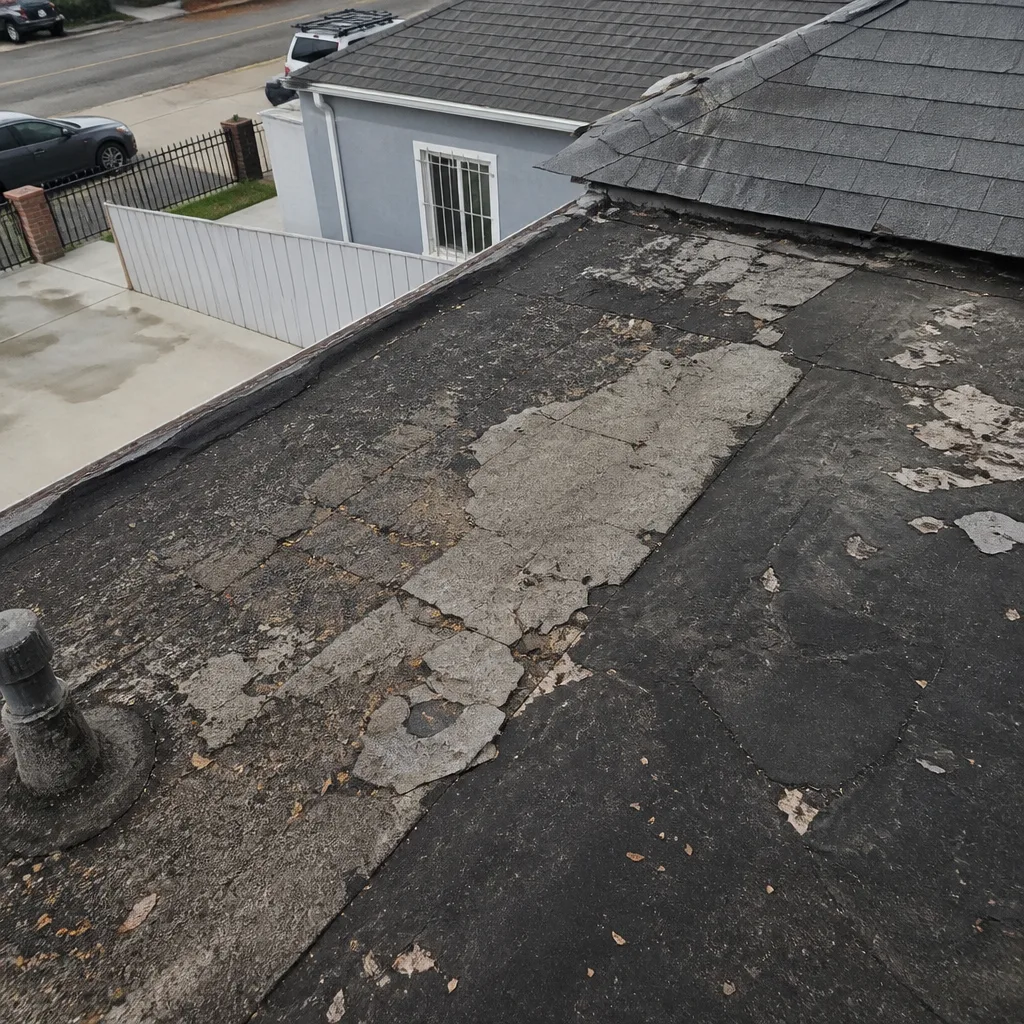
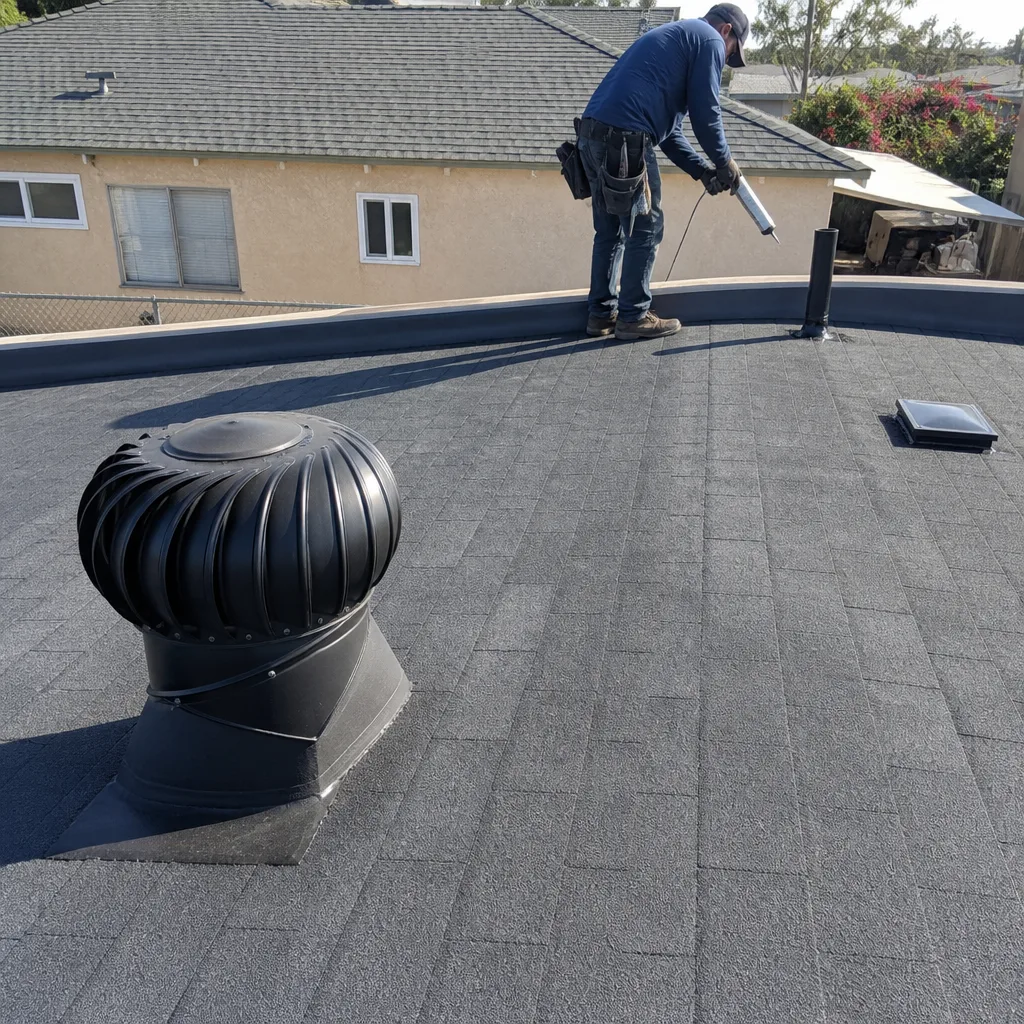
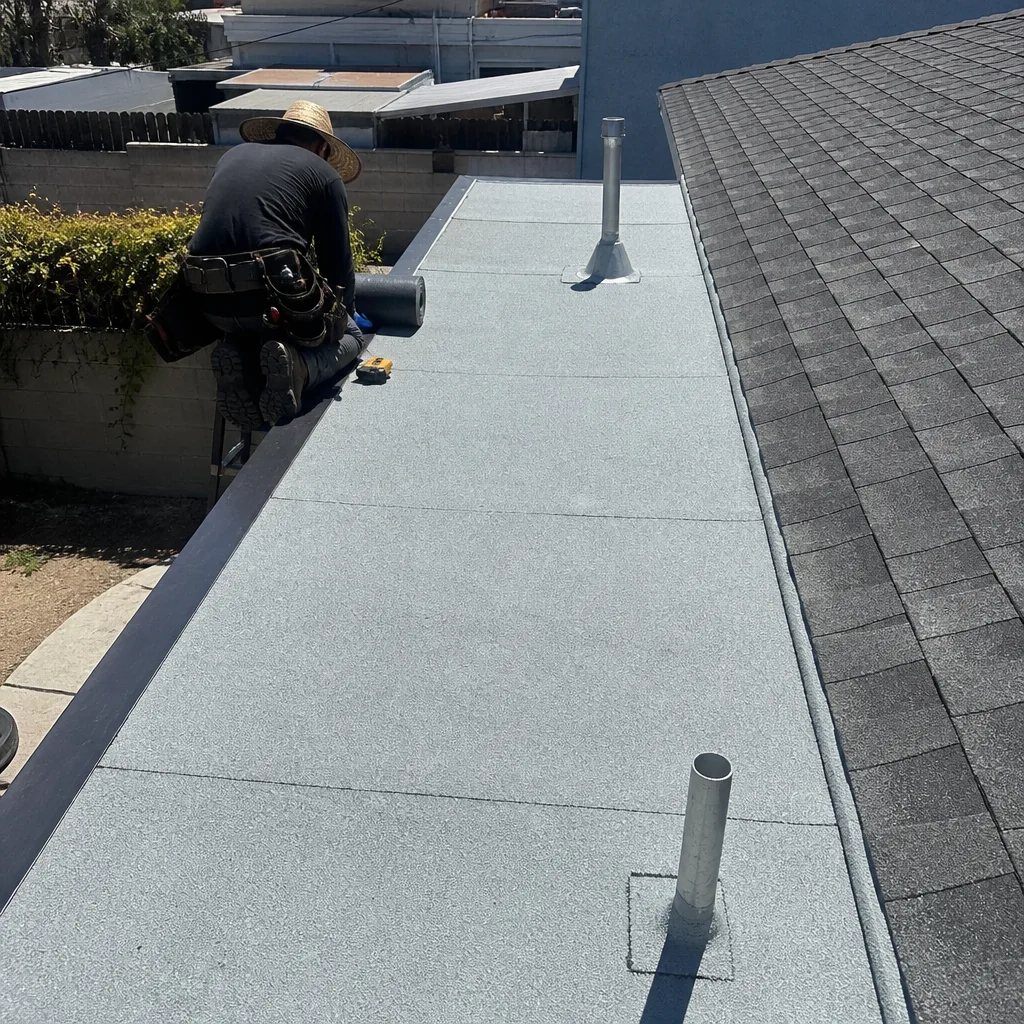
In our experience, East Los Angeles roofs show a recurring set of issues tied to the local climate and building stock, which we cover in our Roof Repair Troubleshooting: Common Problems and How to Fix Them. The hot inland sun degrades asphalt shingles faster than coastal air does. Homes built before 1980 often have 1×6 plank decking rather than plywood, which affects how new shingles seat and what the underlayment needs to be. Many ELA homes have flat or low-slope porch roofs that were originally tar-and-gravel and have been patched repeatedly. A proper inspection documents all of this, so the scope of work you eventually bid is based on real conditions, not a contractor’s assumptions.
We perform many inspections in East Los Angeles where the homeowner is convinced they need a full replacement, and the inspection reveals a specific, repairable problem: a failed pipe boot, a torn section of valley flashing, or wind-damaged shingles along one rake edge. The repair costs a few hundred dollars rather than the $15,000 to $20,000 a replacement would run. Other times, the inspection confirms what the homeowner suspected: the roof is at the end of its service life and replacement is the right call. The point is that the homeowner made the decision based on evidence, not a sales pitch. Our Roof Inspection in East Los Angeles service is offered for exactly this reason.
Step 7: Understand Permits, Inspections, and Code Requirements in East Los Angeles
East Los Angeles falls under the City of Los Angeles building code, which follows the California Building Standards Code (Title 24). For roofing, that means a reroofing permit is required when more than 25% of the roof’s surface area is being replaced. The permit is pulled through the Los Angeles Department of Building and Safety (LADBS). A licensed contractor handles this process, and the cost of the permit is typically included in the bid.
Here are the code and permit realities specific to East Los Angeles that affect your roof project:
- Cool roof requirements. Los Angeles has a cool roof ordinance that applies to certain roof types, particularly low-slope roofs. Shingles with a high solar reflectance index (SRI) may be required depending on the roof’s slope and the project’s scope. Your contractor should know this and specify compliant materials.
- Title 24 ventilation standards. Attic ventilation requirements apply to reroofing projects. If your existing roof has insufficient ventilation, adding intake and exhaust vents may be part of the permitted scope. A contractor who quotes a reroof without mentioning ventilation is either ignoring code or planning to skip the inspection.
- Decking inspection requirements. When the old shingles come off, the decking is exposed. The LADBS inspector will want to see the decking before new underlayment goes on, especially if the contractor is replacing damaged sections. Your contract should account for this inspection step.
- Historic district considerations. Some East Los Angeles neighborhoods have historic preservation overlays that restrict material choices. If your home is in a designated historic district, confirm with the contractor that the proposed roofing materials are approved by the city’s Office of Historic Resources.
If a contractor tells you the permit is your responsibility, or that permits “aren’t necessary” for your reroof, you’re hearing a red flag. Licensed contractors pull permits as a matter of course. It protects you and them.
For homeowners considering a full replacement, our Roof Replacement in East Los Angeles guide covers the material selection process in depth, and our Roof Repair in East Los Angeles page explains when a targeted fix makes more sense than a tear-off.
Common Mistakes to Avoid
- Hiring the lowest bid without reading the scope. In East Los Angeles, the low bid is often low because it omits decking replacement, uses budget underlayment, or quotes a 3-tab shingle when the other bids quoted architectural. Normalize before you compare, then read the scope line by line.
- Paying too much upfront. California law caps the deposit for residential roofing at 10% or $1,000, whichever is less. A contractor who asks for more is breaking the law, and that’s a signal to walk away no matter how good their pitch sounds.
- Accepting a one-line contract. “Replace roof, 22 squares” is not a contract. It’s a suggestion. Every component, every material brand, every responsibility must be written down. If the contractor refuses to itemize, find a different contractor.
- Signing with an unlicensed crew after a storm. The post-storm door-knockers in ELA count on homeowners feeling urgency. If you sign with an unlicensed crew and they do bad work, you have no CSLB recourse, no bond to claim against, and no legal entity to sue.
- Choosing a single-brand installer without understanding the tradeoff. There’s nothing wrong with a contractor who has a preferred brand. But if that’s the only brand they’ll install, you’re not getting material selection based on your roof’s needs. You’re getting whatever their distributor deal pushes. Seven brands, one contractor is the standard you should expect.
- Skipping the independent inspection before the bid. Asking a contractor to both assess and bid your roof creates a conflict of interest. A paid inspection from a contractor who isn’t guaranteed the work gives you an objective baseline against which every bid can be measured.
- Ignoring the permit process. Unpermitted reroofing catches up with homeowners at resale, when the title search reveals an open permit or the buyer’s inspector flags the work. In East Los Angeles, permitted reroofs include city inspections that verify code compliance.
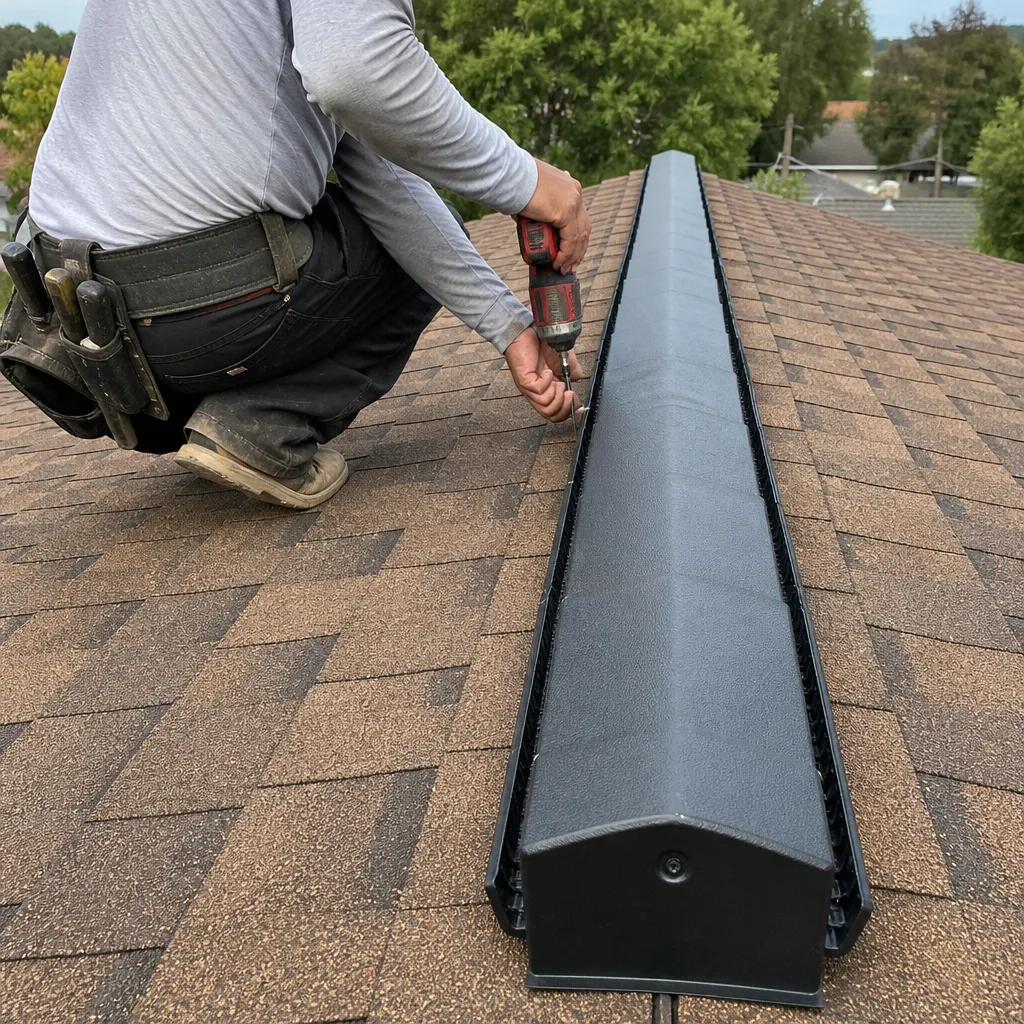
See the difference
 Before
 After
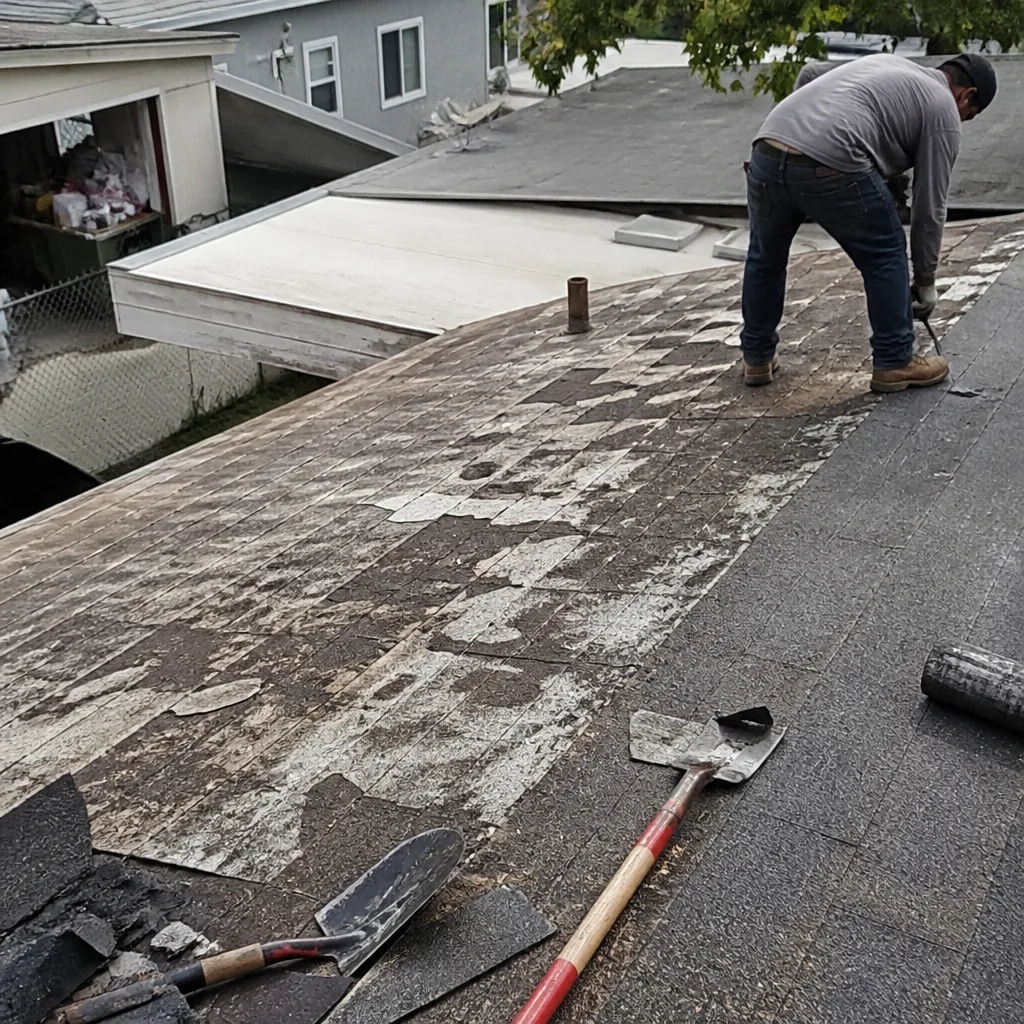
 Before
 After
 Before
 After
When to Call a Professional
Call a roofer when you see water stains on the ceiling, missing or curled shingles, granule buildup in your gutters, or daylight coming through the attic boards. For a full maintenance schedule, see our Roof Repair Maintenance Checklist for East Los Angeles Homeowners. Call one soon. A small leak in East Los Angeles becomes a decking replacement, a mold remediation, and a reroof if it’s ignored through one rainy season. You should also call before you sell your home, and after any wind event strong enough to move patio furniture. If you’re unsure whether what you’re seeing is normal wear or the start of a failure, a professional inspection gives you the answer. Sunrise Roof Repair offers free estimates in East Los Angeles. Call (877) 752-3460 to schedule one. We inspect first, recommend second, and repair when repair is right, replace when it’s not.
Frequently Asked Questions
Check the CSLB website at cslb.ca.gov under “Check a License.” Enter the contractor’s name or license number, and confirm the classification is C-39 (Roofing), the bond is active, and the complaint history is clean. The name on the license must match the name on your contract. This takes less than ten minutes and should be done before you accept any bid.
Architectural shingle roofing in East Los Angeles typically runs $450 to $650 per square (a square is 100 square feet of roof area), depending on the material brand, roof pitch, number of stories, and how much decking needs replacement. For detailed pricing factors, see our Roofing Cost Breakdown: The East Los Angeles Homeowner’s Reference for 2026. For a typical 1,500 to 2,000 square foot home, expect $12,000 to $18,000 for a full tear-off and re-roof with architectural shingles. Repairs run $350 to $1,200 for most common issues like flashing failures, pipe boot replacement, or wind-damaged shingles. Call (877) 752-3460 for an exact quote, estimates are free.
You can, but you should understand the tradeoff. A single-brand installer’s material recommendations are limited by their distributor agreement, not by what your roof actually needs. A contractor who installs multiple brands (we install GAF, CertainTeed, Owens Corning, IKO, Atlas, Tamko, and Boral) can match the material and warranty to your roof’s slope, sun exposure, and your budget rather than pushing whatever they’re incentivized to sell. Ask the question directly: “Which brands do you install, and why?”
Yes, if the project covers more than 25% of the roof’s surface area, which is true for essentially every full reroof. The permit is pulled through the Los Angeles Department of Building and Safety, and city inspections are required after tear-off and after final installation. A licensed contractor handles this process, and the permit cost is typically included in the bid. Any contractor who says a permit isn’t needed is wrong.
At minimum, a California roofing contract must include: an itemized scope of work listing every component being replaced, the specific shingle brand and model being installed, who is responsible for pulling permits and paying permit fees, debris disposal arrangements, and a payment schedule with a deposit of no more than 10% or $1,000. If any of these five elements is missing, don’t sign until it’s added. The vaguer the contract, the more likely the dispute.
California law caps the deposit for residential roofing at 10% of the total contract price or $1,000, whichever is less. A contractor asking for more than that is violating state contracting law. The remaining payments should be tied to milestones: tear-off complete, decking inspection passed, final inspection passed. Final payment should never be made before the city inspection is signed off.
The Bottom Line
Hiring a roofer in East Los Angeles comes down to five habits: check the CSLB license and bond before anything else, ask the single-brand question and listen carefully to the answer, normalize your bids so you’re comparing the same scope and material tier, require a contract with all five protective clauses, and get an independent inspection before you commit to any scope. The contractors who pass all five checks are the ones who will still be around in ten years when you have a question about your roof. The ones who fail even one are the expensive mistakes this guide exists to prevent. For a free estimate from a contractor that installs seven brands and inspects before recommending, call Sunrise Roof Repair at (877) 752-3460 or visit our Sunrise Roof Repair home page.
Written by the team at Sunrise Roof Repair, serving East Los Angeles since 2015.