Last updated October 31, 2026
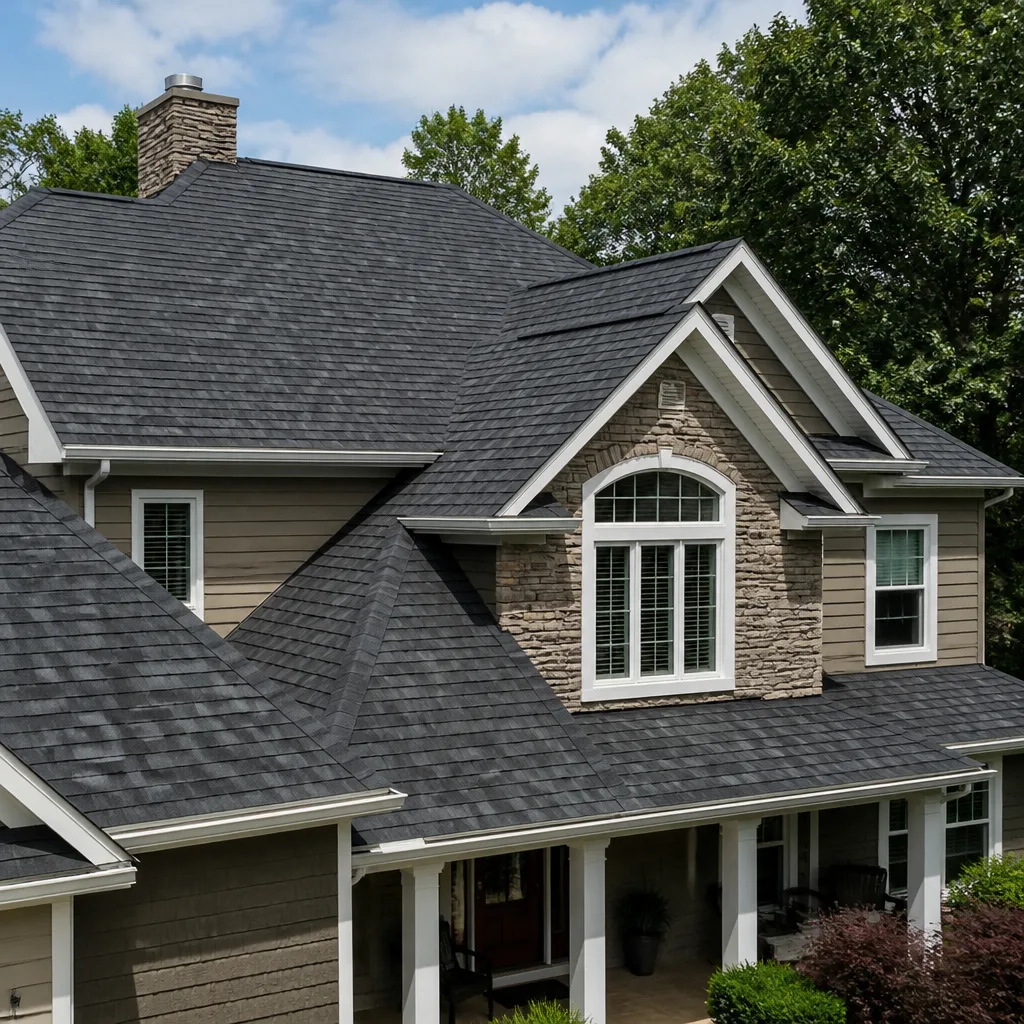 Architectural shingles
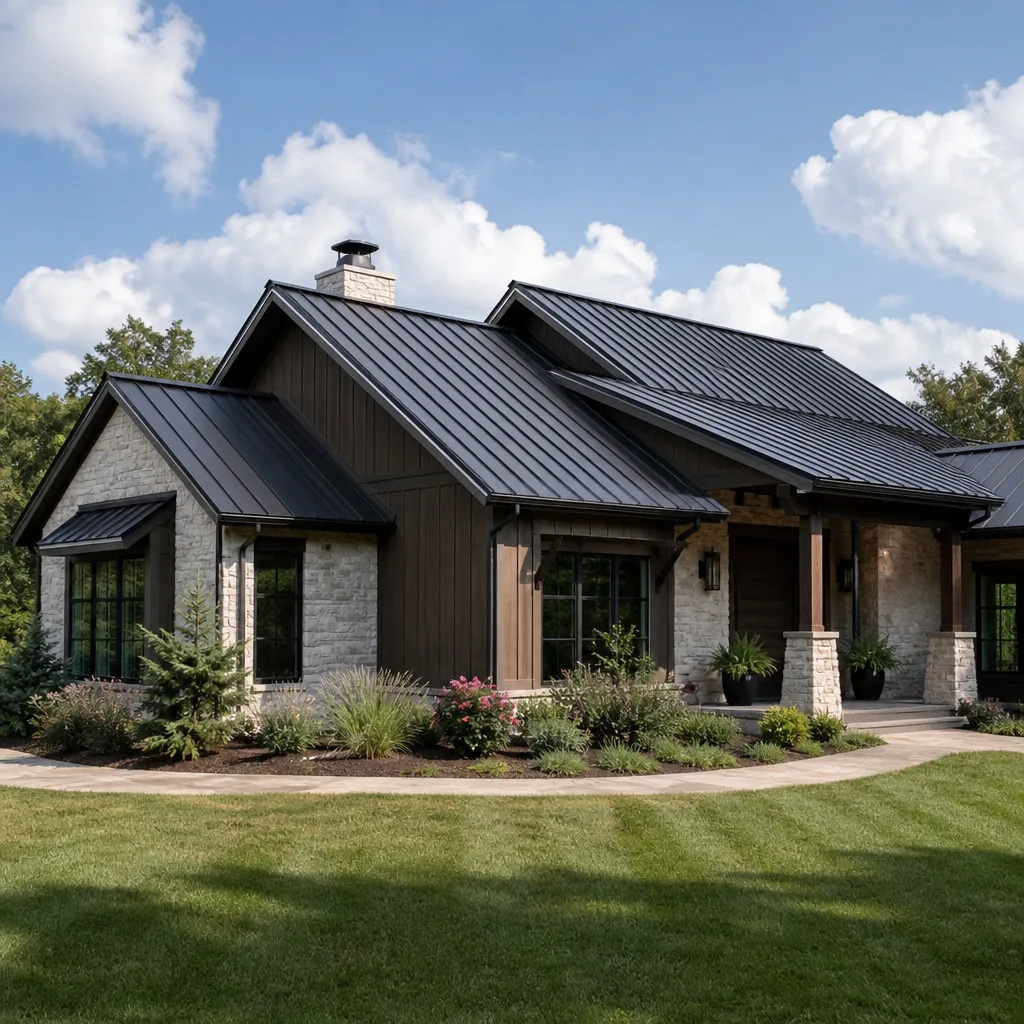 Metal roofing
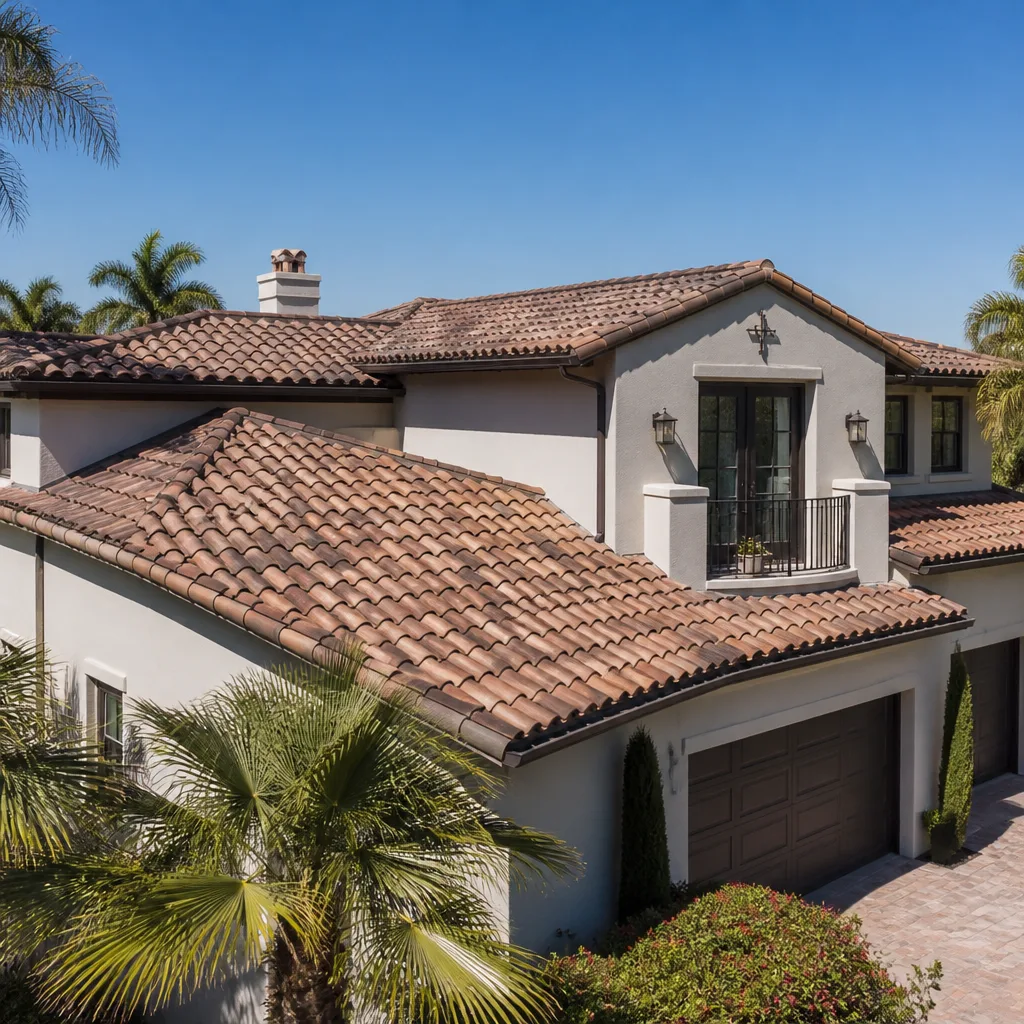 Tile roofing
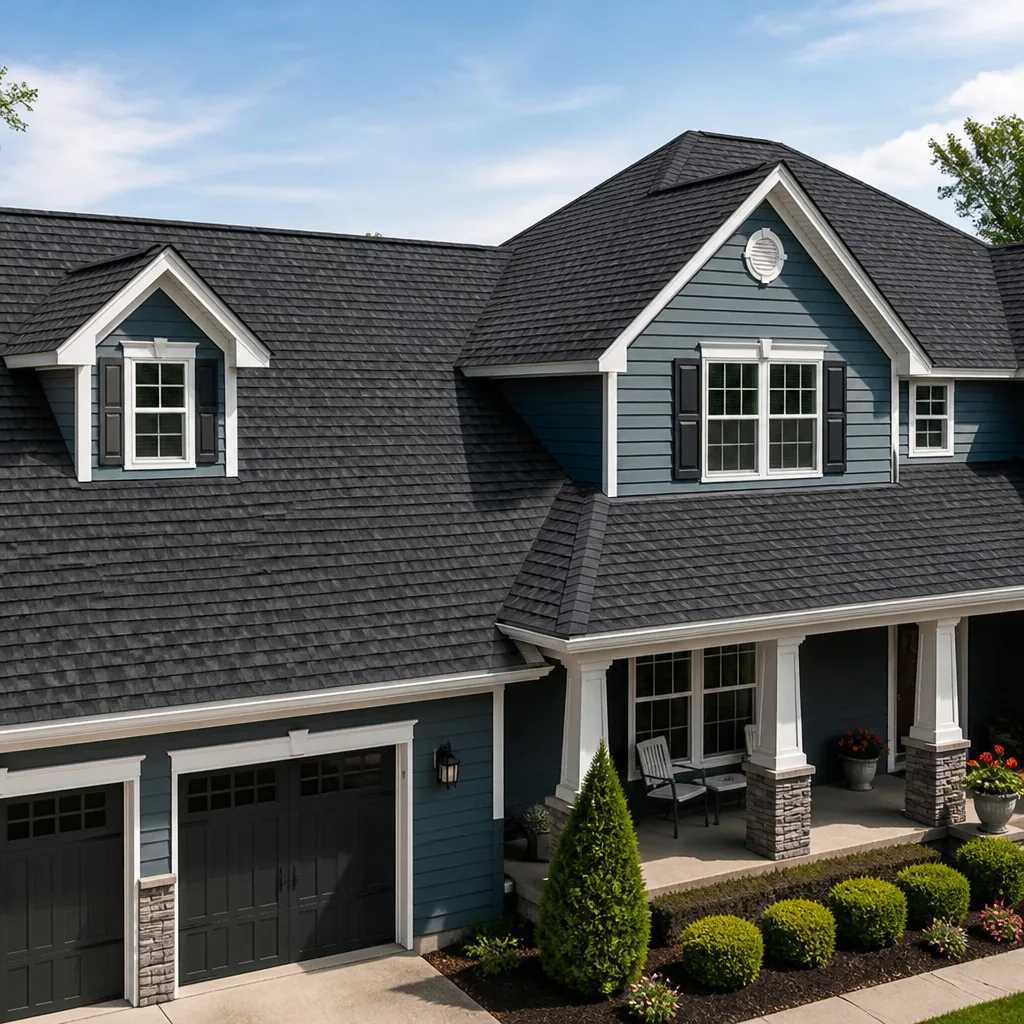 GAF
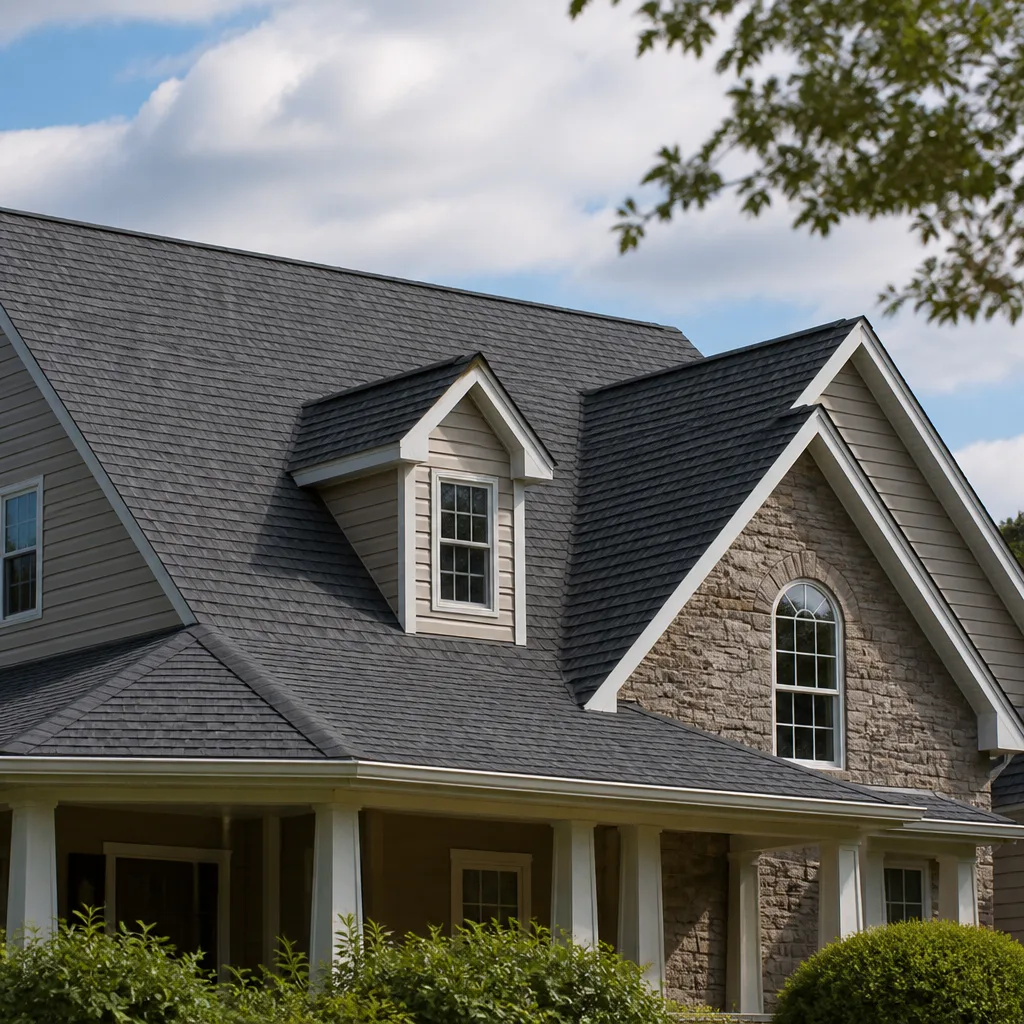 Owens Corning
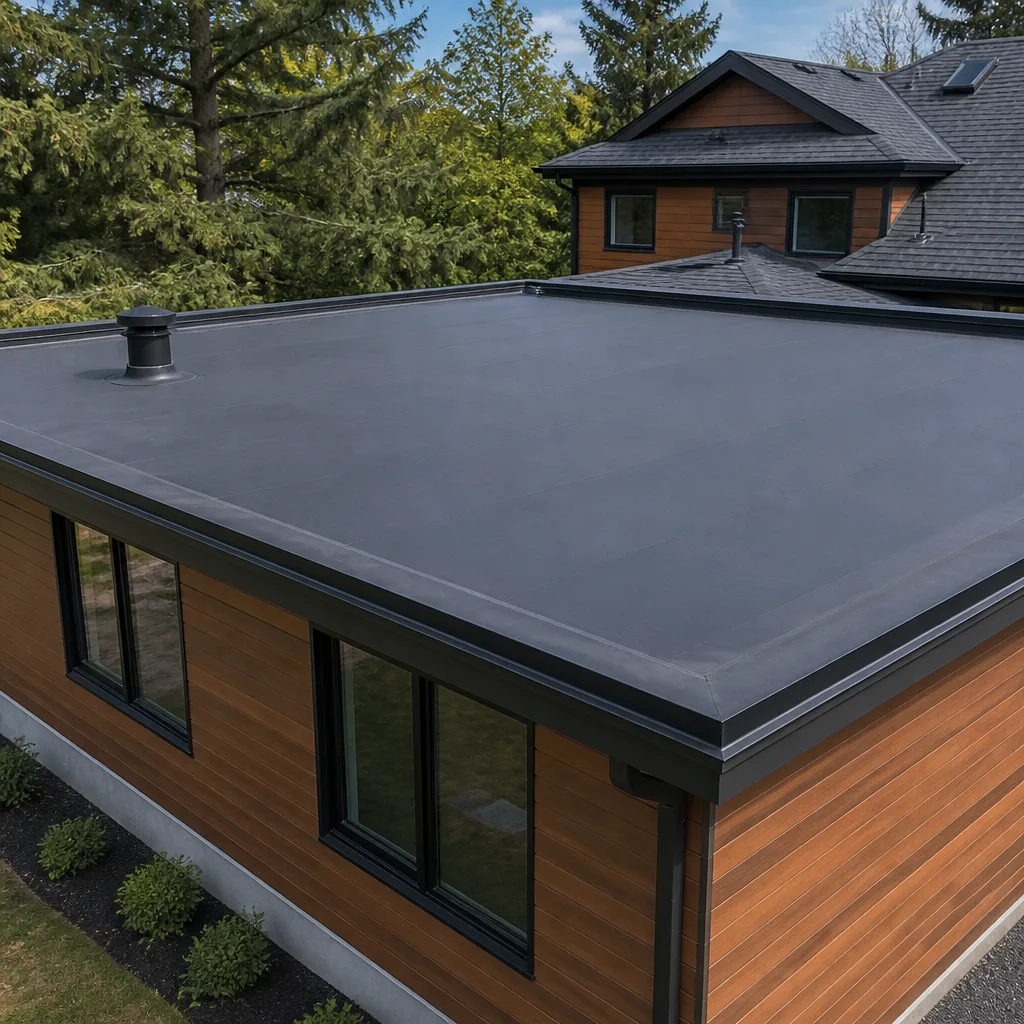 Flat & low-slope
Free roof inspection with deck photos before we talk money - GAF and Owens Corning certified installation
The Complete Roof Repair Guide for East Los Angeles Homeowners
Most roof repair guides are written for climates with four seasons. East Los Angeles gets two: scorching and wet, and the damage patterns are completely different. A roof in ELA doesn’t fail the way a roof in Minneapolis or Seattle fails. It doesn’t rot from months of snowmelt or grow moss in perpetual drizzle. It bakes. It expands and contracts through punishing summer heat cycles. Then, when an El Niño system finally arrives, every crack that formed during the dry months becomes a pathway for water. This guide walks through what actually happens to roofs in East Los Angeles, how to spot problems before they leak, what Roof Repair services cost, and how to decide between fixing a roof and replacing it. If you own a home here, the information below will save you money, and it might save your ceilings too.
Styles & brands we work with
Quick Answer
Roof repair in East Los Angeles typically costs between $450 and $1,800 for most leak repairs, shingle replacement, or flashing work, with larger structural repairs running higher. The most common problems we see are cracked asphalt shingles from prolonged UV exposure, dried-out flashing around vents and chimneys, and ponding water on low-slope roofs common to ELA’s bungalow and ranch construction. The right next step is almost always a professional inspection first, because East LA’s aging housing stock often hides substrate damage that isn’t visible from the ground.
Table of Contents
- Why East Los Angeles Roofs Fail Differently
- How to Spot Roof Damage Before It Leaks
- Repair Approaches by Roof Type in ELA
- Neighborhood-Level Damage Patterns
- Repair or Replace: How to Tell the Difference
- What Roof Repair Costs in East Los Angeles
- Material Choices That Hold Up in ELA’s Climate
- What to Expect During a Roof Repair
- Common Mistakes to Avoid
- When to Call a Professional
- Frequently Asked Questions
Why East Los Angeles Roofs Fail Differently
East Los Angeles sits in a climate that punishes roofing materials in a specific sequence. Summer temperatures routinely climb into the 90s, and rooftop surfaces get even hotter than that, often reaching 140 to 160 degrees on a July afternoon. Asphalt shingles, fiberglass matting, and roofing sealants all expand under that heat. At night, temperatures drop twenty or thirty degrees, and everything contracts. Over years, this daily cycle creates microscopic fractures in the shingle surface. Those fractures don’t leak right away. What they do is expose the underlying material to further UV degradation.
The rain, when it comes, tends to arrive all at once. East Los Angeles gets most of its annual rainfall between December and March, often in concentrated bursts during El Niño years. A roof that has been quietly degrading through eight months of dry heat suddenly has to shed water fast. The failure point is rarely dramatic. It’s usually a small crack that has been growing for two or three summers, finally opening wide enough to let water through. Homeowners often assume the rain caused the leak. Rarely true. The heat caused the damage. The rain just exposed it.
This pattern has a practical implication for how you should think about roof maintenance, and our more guides & resources expand on related topics. In most parts of the country, spring is roof inspection season, after winter weather has done its damage. In East Los Angeles, the critical window is late summer and early fall. A September or October roof inspection catches heat damage before the rainy season turns it into a leak. By the time water is staining your ceiling in February, the underlying damage has usually been present for months. This is why we tell homeowners to inspect first and recommend second, before the next rain hits, when a targeted repair is still an option.
How to Spot Roof Damage Before It Leaks
You don’t need to climb onto your roof to catch most early warning signs. A pair of binoculars from the sidewalk or a careful look from an upstairs window will show you a surprising amount. The key is knowing what actually matters in East LA’s climate, where heat damage precedes water damage by months.
- Granule loss on asphalt shingles. Look at the gutter line and downspout splash blocks. If you see a buildup of dark, sand-like granules, the shingle surface is degrading. In ELA, granule loss accelerates because UV radiation breaks down the asphalt binder that holds the granules in place. A roof with significant granule loss is losing its UV shield, which accelerates the entire aging process.
- Curling shingle edges. Shingle tabs that curl upward at the corners or edges are a classic heat-damage signal. Curled shingles catch wind, and in the Santa Ana season, that means a higher likelihood of single-tab loss. If you see curling from the ground, the shingles are nearing the end of their functional life, though a targeted repair can still extend the roof for a few years.
- Cracked or blistered shingle surfaces. Blistering looks like small raised bumps on the shingle surface. It happens when moisture trapped in the shingle expands under heat. Cracking is worse. A cracked shingle has failed structurally and needs replacement.
- Dried or separated flashing around vents, pipes, and chimneys. Flashing is the metal or rubber material that seals the gaps where things poke through your roof. In East LA’s dry heat, rubber boots around plumbing vents dry out and crack, typically within 10 to 15 years. This is one of the most common leak sources we find, and it’s also one of the cheapest to fix if caught early.
- Dark streaks or staining on the roof deck overhangs. From underneath, in the attic, look for dark streaks on the underside of the roof deck. This indicates moisture penetration at some point, even if it’s dry now. In ELA’s stucco homes, attic ventilation is often minimal, so trapped moisture from a small leak can linger and cause damage long after the leak source has dried.
One note about East LA’s specific housing stock: many homes were built between the 1950s and 1970s, and quite a few still have their original roofing substrates beneath one or two re-roof layers. That means what looks like surface wear on the top layer may sit over decking that’s sixty years old and never been exposed for inspection. A professional inspection can identify whether underlying substrate issues exist, which matters a great deal for repair depth and cost.
Repair Approaches by Roof Type in ELA
East Los Angeles has three distinct roof profiles, and they fail in different ways and need different repair strategies. Understanding which category your home falls into is the first step toward a repair that actually holds up.
Flat and Low-Slope Roofs on Bungalow and Stucco Construction
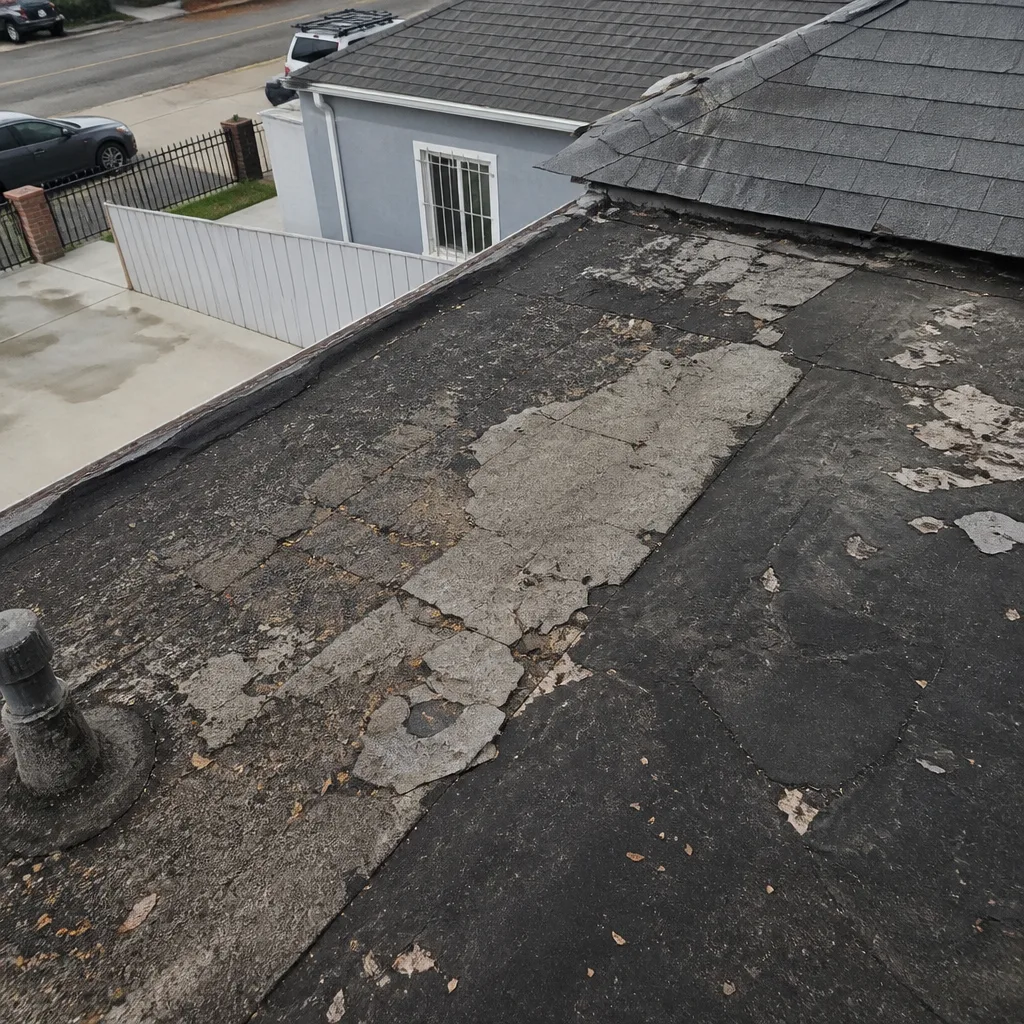
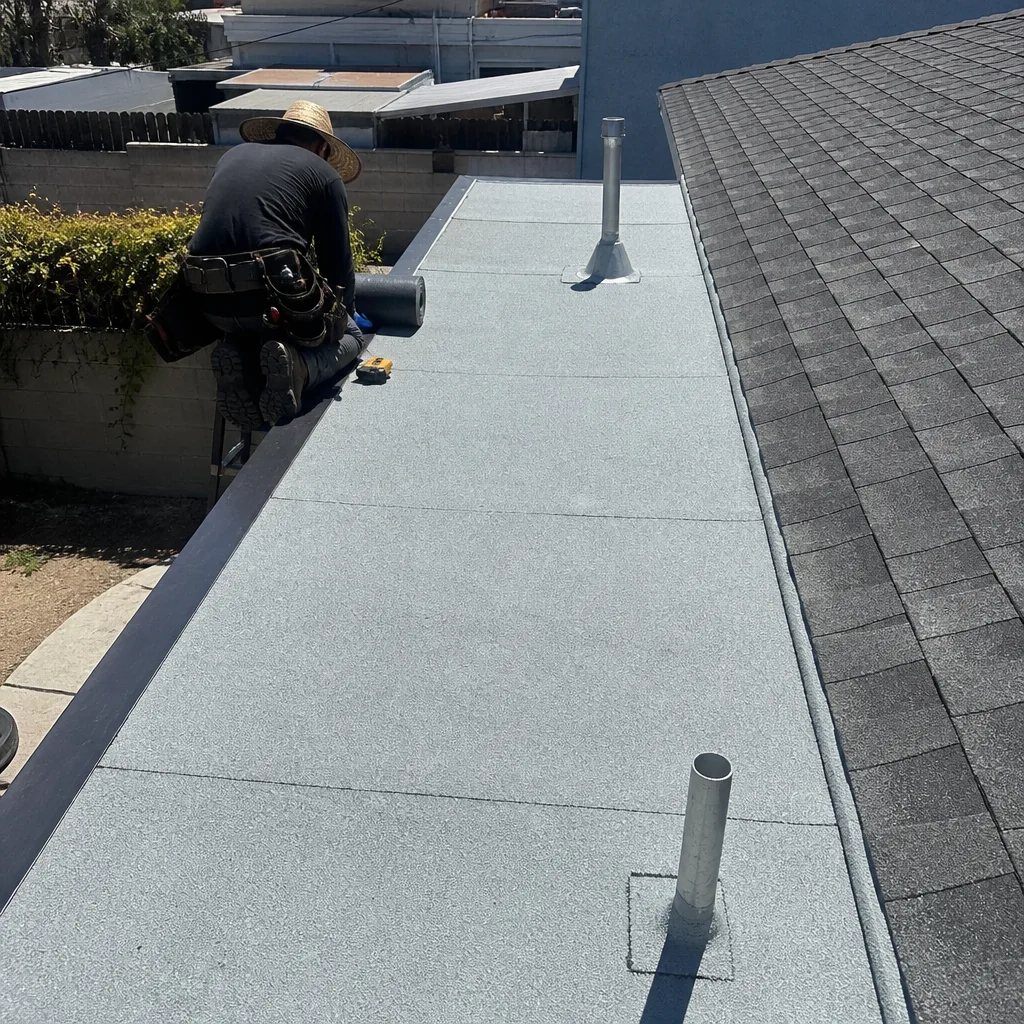
Many of ELA’s pre-war bungalows and mid-century stucco homes have true flat roofs or very low slopes, often built with built-up roofing (BUR) systems or modified bitumen. These roofs don’t shed water like pitched roofs do. They hold it, at least briefly, and that changes everything about how they fail. The primary vulnerabilities are seam separation, blistering, and ponding water. If water stands on a flat roof for more than 48 hours after rain, it accelerates membrane degradation and eventually finds its way through seams or penetrations. Repairs on flat roofs typically involve patching membrane seams, repairing flashing at parapet walls, or addressing ponding zones with a tapered system. These repairs can be highly effective when done properly, but they require a roofer who actually works on low-slope systems, not just shingle specialists. At Sunrise Roof Repair home base of operations, our crews work on both low-slope and steep-slope systems, which matters because many East LA roofing contractors specialize in one or the other.
Pitched Composition Shingle Roofs
The majority of ELA’s single-family homes have pitched roofs with asphalt composition shingles. These roofs fail from heat and UV before they fail from water. Repair work is typically shingle-specific: replacing cracked or missing tabs, re-sealing lifted shingles, repairing ridge caps, and addressing flashing penetrations. On pitched roofs, a repair is usually a reasonable short-to-medium-term fix, extending the roof’s life by three to seven years, depending on overall condition. The key question is whether the shingle degradation is isolated or systemic. If the south-facing and west-facing slopes show significant granule loss while the north slope looks better, that’s a classic ELA UV pattern and tells you decay is uneven. A targeted repair of the worst slope can buy significant time.
Hillside Homes with Steeper Pitches and Tile or Composite Roofing
Neighborhoods on the slopes, around the edges of ELA and into the hills, tend to have steeper pitches. Many of these homes have clay or concrete tile, or in some cases, premium composite shingles. Steep roofs shed water efficiently, which is good. But they also expose more surface area to the sun on the south-facing plane, and tiles crack under repeated thermal cycling. Wind uplift is a bigger factor here too. When Santa Ana winds blow through the foothills, cracked or loose tiles become projectiles. Repair work on these roofs involves replacing cracked tiles, re-securing loose units, and ensuring the underlayment beneath the tile is still sound. It’s important to note that a cracked tile by itself doesn’t always mean water intrusion, but it does mean the protective outer layer is compromised, and the underlayment is now doing all the work. If that underlayment is original from a tile installation in the 1970s or 1980s, it’s likely near the end of its service life, which raises the repair-versus-replace conversation.
If you’re not sure what type of roof you have or what condition it’s in, a Roof Inspection in East Los Angeles gives you a clear picture before any money gets spent on repairs.
Neighborhood-Level Damage Patterns
East Los Angeles covers a lot of ground, and the specific microclimate and construction characteristics of different areas affect what roof damage looks like. In our experience working across the area, certain patterns repeat consistently enough to be useful.
City Terrace and the Surrounding Hills
City Terrace sits on a slope, and homes there catch more wind than the flatlands below. We see more wind-lifted shingles, loose tiles, and flashing separation in this area than anywhere else in ELA. The combination of hillside exposure and older housing stock, many homes built in the 1920s and 1930s, means original roof decks are often still in place beneath newer roofing. Repairs here frequently involve re-securing what the wind has lifted and checking that penetrations are properly sealed.
Boyle Heights and the Flatlands
Boyle Heights has a high concentration of flat and low-slope roofs on stucco homes from the 1940s through 1960s. The dominant failure mode is ponding water and membrane degradation at seams and parapet walls. We also see a lot of older composition shingle roofs with significant granule loss on the southern exposures. For homeowners in this area, the pre-rain inspection is especially important because flat roof leaks don’t announce themselves as easily as pitched roof leaks, water can travel horizontally under the membrane before showing itself inside.
El Sereno and University Hills
These neighborhoods have a mix of 1950s ranch homes with low-pitch shingle roofs and some newer construction. The older ranches typically have minimal overhangs, which means the upper portions of exterior walls catch more direct sun, and roof edges take more heat stress. We see a lot of edge-lifting shingles and deteriorated drip-edge flashing here. The hillier sections of El Sereno also get wind exposure similar to City Terrace, though generally less severe.
East LA Proper and Unincorporated Areas
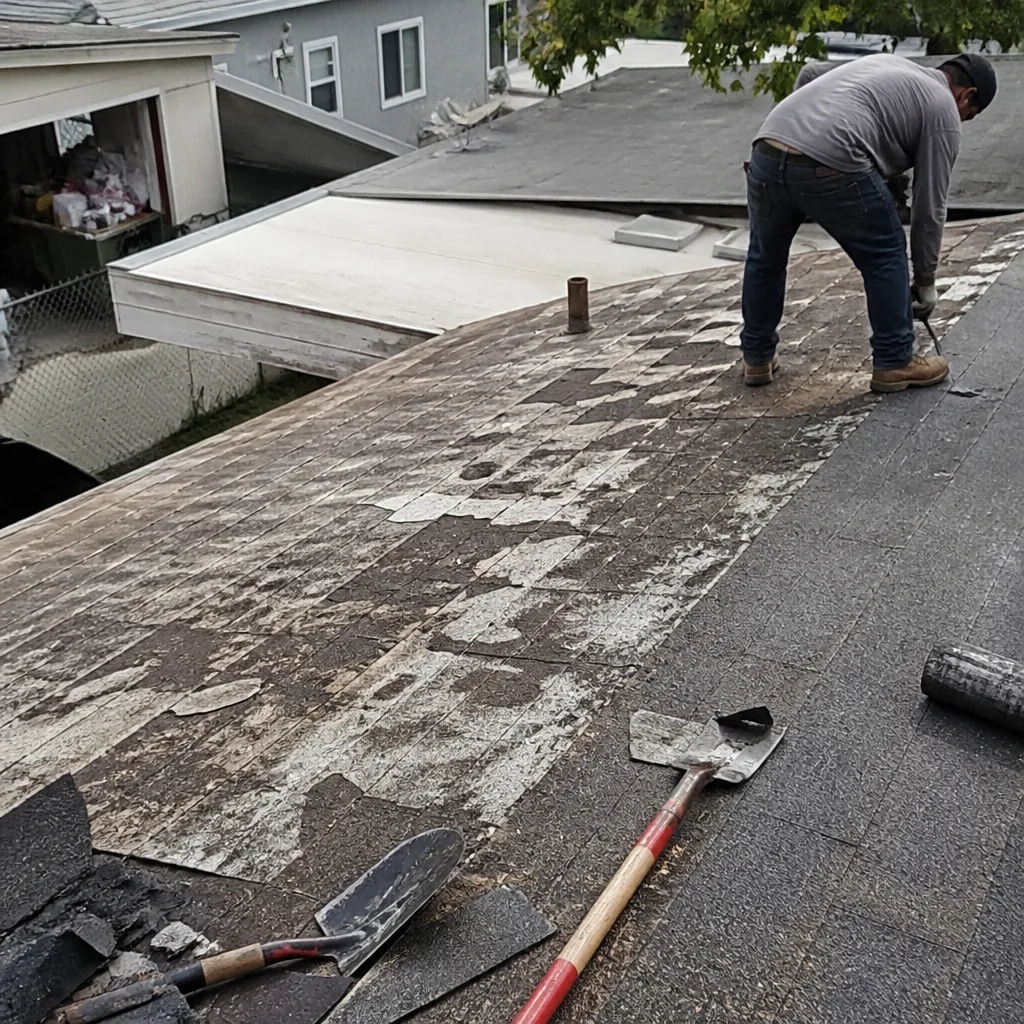
The flat sections of East Los Angeles east of downtown have a high proportion of small bungalows with composition shingle roofs. Many of these homes have seen multiple overlay jobs over the decades, which creates a specific condition: weight. A roof with two or three layers of shingles holding up is heavier than the original structure was designed for, and in an earthquake, that mass matters. Repairs on these roofs are still possible, but the presence of multiple layers affects both the depth of any repair and the ultimate decision about replacement.
Repair or Replace: How to Tell the Difference
This is the question every East LA homeowner eventually faces. The honest answer depends on four factors: the extent of visible damage, the age and condition of what’s underneath, the roof’s remaining functional life, and the homeowner’s timeline for staying in the home. Here’s the framework we use, and it’s the same framework any legitimate roofing contractor should walk you through.
- Is the damage isolated or systemic? If you have a single missing shingle, a cracked vent boot, or a small flashing failure, repair is almost always the right call. If the shingles are failing across entire slopes, or the membrane on a flat roof is blistered and cracked in multiple zones, repair becomes whack-a-mole. You’ll be chasing individual failures every year until you replace the roof.
- What’s the condition of the roof deck? This is the question you can’t answer from the ground, and sometimes not until a section of roofing is pulled back. In East LA, where many homes have original 1950s and 1960s decking that has never been exposed, there’s genuine uncertainty here. If the deck is solid, a repair can be effective. If the deck has water damage or dry rot from decades of slow seepage, that adds cost and complexity to any repair, and sometimes tips the decision toward replacement.
- How old is the current roof? Composition shingle roofs in ELA’s climate typically last 15 to 25 years, on the shorter end of that range for south-facing exposures. Flat roof membranes typically need replacement every 12 to 20 years. If your roof is approaching that age and showing multiple symptoms, repairs extend life but don’t reset the clock. That’s fine if you plan to sell in three years and want to defer the big expense. It’s less fine if this is your forever home and you’d rather pay once.
- What’s the repair-to-value ratio? A good rule of thumb: if a repair costs more than 25 to 30 percent of what a replacement would cost, and the roof is already past the halfway point of its expected life, replacement is usually the better financial decision. You’re not spending more per year of remaining life; you’re buying a shorter runway at a premium. At Roof Repair in East Los Angeles, we walk through this math with homeowners before quoting anything, because the right answer depends on your situation, not on what’s most profitable for us.
One caveat specifically for East LA: if your roof has two or more existing shingle layers, any repair is being applied to a surface that’s already above the manufacturer’s recommended one-layer installation. It can still work, but it’s a temporary fix by definition. At some point, that roof needs a complete tear-off and replacement. If you’re considering a larger repair on a multi-layer roof, it’s worth getting a Roof Replacement in East Los Angeles estimate alongside the repair quote, just to see the full picture.
What Roof Repair Costs in East Los Angeles
Repair pricing in East LA varies by roof type, access difficulty, and the scope of the underlying problem. The range below reflects what homeowners in this market typically see, and it’s based on the actual repair categories we quote most often.
| Repair Type | Typical Cost Range | What It Involves |
|---|---|---|
| Shingle replacement (small area, 1-5 shingles) | $350 – $650 | Removing damaged tabs, replacing with matching shingles, re-sealing. |
| Flashing repair (vent pipe, chimney, or wall junction) | $450 – $900 | Removing old flashing, cleaning the area, installing new flashing and sealant. |
| Flat roof patch (membrane seam or small puncture) | $500 – $1,200 | Cleaning and preparing the surface, applying membrane patch, sealing edges. |
| Skylight leak repair | $400 – $1,100 | Re-sealing around the skylight frame, replacing the sealant gasket if needed. |
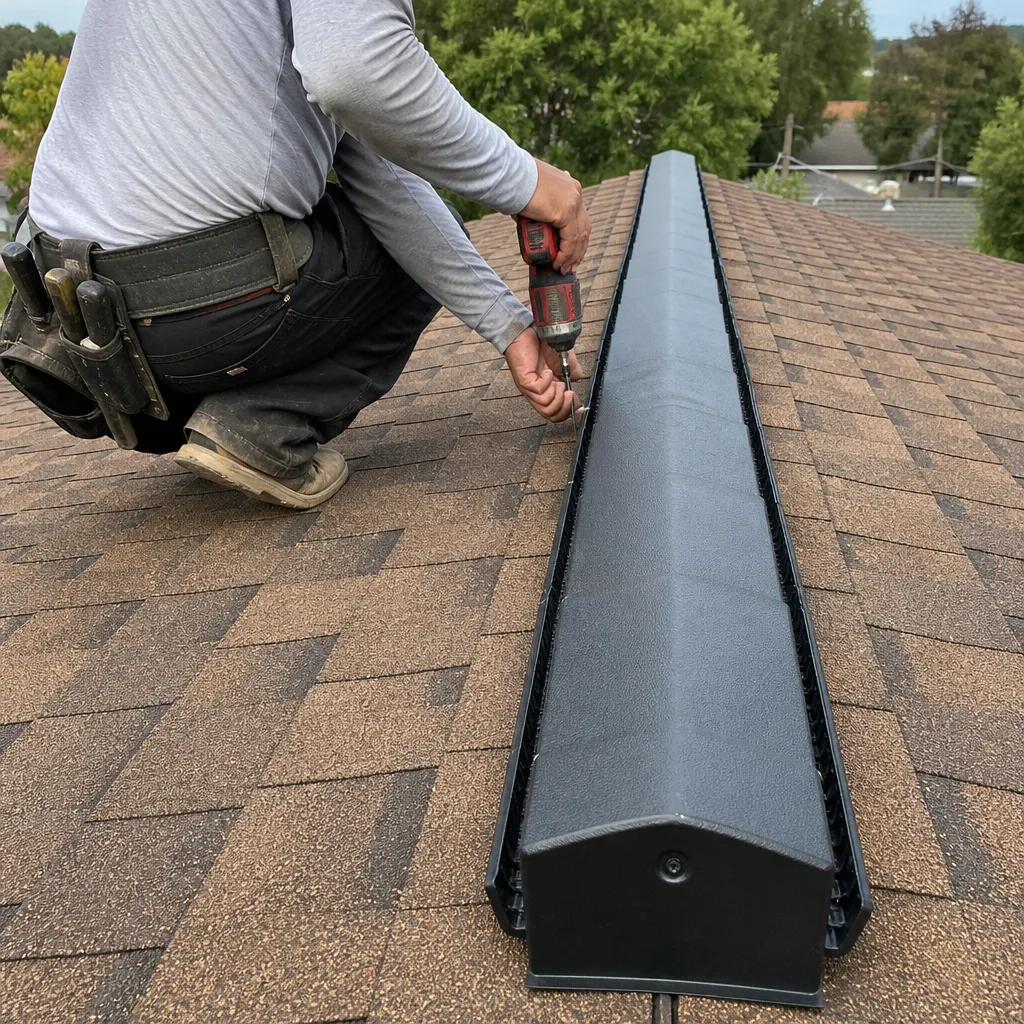
| Ridge cap repair or replacement | $600 – $1,400 | Removing old ridge cap shingles, installing new cap units, sealing. |
| Larger slope repair (10+ shingles across a section) | $900 – $1,800 | Replacing a contiguous damaged area, checking underlayment condition. |
| Structural repair (damaged deck section, requiring replacement) | $1,200 – $3,000+ | Cutting out damaged decking, replacing with new plywood or OSB, re-roofing the area. |
These ranges assume reasonable access with a ladder and normal roof conditions. Steep pitches, difficult access, and multi-story homes add labor. Repairs on tile roofs tend to run higher because matching the tile and handling it without breakage requires more time. The material cost is only part of the equation; in East LA, the labor and the specific skills of the crew determine most of the final number.
What should not vary much is the price you’re quoted versus the price you pay. Any legitimate contractor should be able to give you a line-item estimate before work begins, and the final invoice should match unless the repair scope genuinely changes once materials are pulled back. In our experience, the biggest pricing surprise for homeowners comes when a “simple” leak turns out to involve deck damage or multiple failed layers. That’s not a bait-and-switch; it’s a discovery process. But it should be discussed and agreed before the additional work proceeds.
Material Choices That Hold Up in ELA’s Climate
The material on your roof is its first line of defense against the specific combination of UV, heat, and intermittent heavy rain that defines East Los Angeles. Not all materials are equally suited. Here’s what holds up, and where each option makes sense.
Asphalt Composition Shingles
Still the most common roofing material in ELA, and for good reason: it’s cost-effective, widely available, and performs well when installed correctly. The key variable is shingle quality. Entry-level three-tab shingles degrade faster under intense UV exposure than dimensional architectural shingles. The architectural shingles available from manufacturers like Owens Corning, IKO, and Atlas offer thicker matting and better granule adhesion, which translates directly to longer life in our climate. The difference in material cost between a basic three-tab and a mid-grade architectural shingle is modest compared to the difference in expected service life, often an extra five to eight years from the architectural product.
Tile Roofing
Clay and concrete tile roofs are common in the hillier sections of East LA and on Spanish-style homes throughout the area. Tile handles UV extremely well, a tile roof can last 50 years or more with proper maintenance. But the waterproofing system beneath the tile is a different story. The underlayment typically lasts 20 to 30 years, and when it fails, the tile has to be removed to replace it. This is a critical distinction for repair decisions. A cracked tile can be individually replaced. A failed underlayment is a full roof replacement, even if the tile on top looks fine.
For Flat and Low-Slope Applications
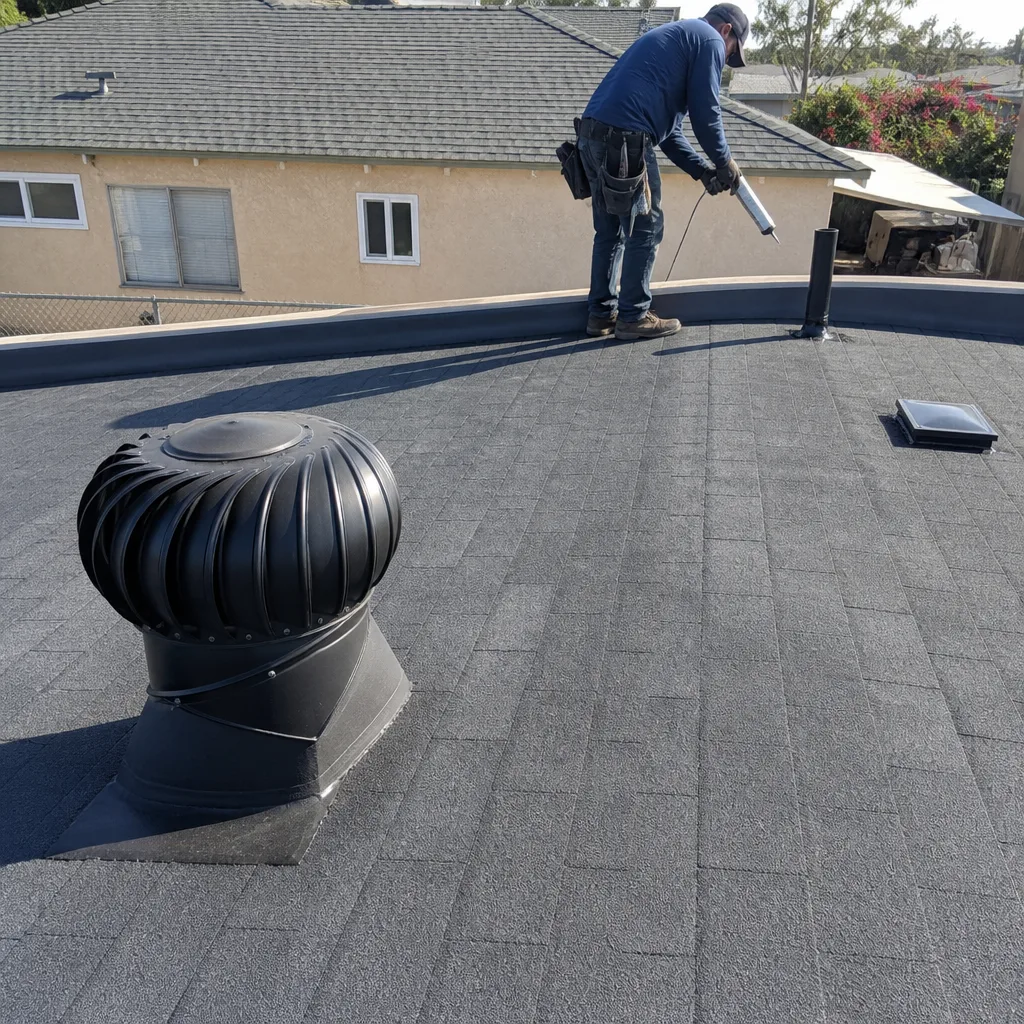
Flat roofs in East LA need materials designed for standing water, because even a well-drained flat roof holds some water during a heavy rain. Built-up roofing (multiple layers of asphalt and felt with a gravel surface) is traditional and still performs well. Modified bitumen membranes offer better flexibility and UV resistance. Single-ply membranes like TPO and PVC are increasingly common and handle ponding water well when installed correctly. The most important factor in flat roof longevity isn’t the material choice, it’s the installation quality at seams, penetrations, and parapet walls, which is where almost all flat roof leaks originate.
One of the advantages we offer at Sunrise Roof Repair is that we’re not tied to a single manufacturer. We stock and install products from seven major brands, including Owens Corning, IKO, Atlas, and Tamko, among others. That means the material recommendation comes from what fits your roof and budget, not from what we happen to have exclusive access to. Seven brands, one contractor, and the right material for your roof, not the only brand we carry.
What to Expect During a Roof Repair
If you’ve never had roof work done, the process can feel opaque. Here’s what a typical repair looks like from start to finish, using the approach we take at Sunrise Roof Repair as the reference point.
- Initial contact and scheduling. You call, describe what you’re seeing, and we schedule a time to come out. For leak issues, we try to prioritize scheduling because we know a leaking roof doesn’t wait. Before the next rain hits is the right time to get on the calendar.
- Inspection and diagnosis. We inspect the roof, identify the source of the problem, and document what we find. This is the step that matters most. A roof that’s leaking at one spot may have damage at another, and an honest inspection finds the actual source, not just the visible symptom. That’s why we inspect first and recommend second.
- Recommendation and scope discussion. We explain what we found, what needs to be done, and what the options are. If a repair is the right call, we say so. If the roof is at the point where repair would be throwing good money after bad, we say that too. Repair when repair is right, replace when it’s not.
- Written estimate. You get a line-item estimate with the scope, materials, and price clearly stated. We use transparent estimates rather than vague handshake pricing, so you know exactly what you’re paying for before work starts.
- Repair execution. Our crew arrives, completes the repair, and cleans up. We check the repair area and the surrounding roof for any other issues while we’re up there.
- Post-repair verification. We document the completed work and explain what was done and what to watch for going forward. If the underlying issue was weather-related, we’ll tell you how to prevent recurrence.
The whole process for a typical single-issue repair takes about half a day to schedule and execute, though materials availability and access conditions can extend the timeline. What it shouldn’t do is leave you wondering what happened or what you paid for. Any roofer who can’t explain their work clearly before and after probably didn’t do much worth explaining.
Common Mistakes to Avoid
- Ignoring granule loss until it becomes a leak. By the time water is coming through the ceiling, the damage is done. In ELA’s climate, granule loss and surface cracking are the early warnings. Addressing them before the rains come prevents most leaks entirely.
- Assuming one leak means one problem. A roof that’s leaking in one spot often has failing conditions across a broader area. The leak you see might be the one that happened to find a path inside, not the only point of failure. An inspection that covers the full roof, not just the visible leak site, catches the other problems before they announce themselves.
- Putting a new roof over an old roof without checking the deck. Overlay saves money upfront, but it hides the condition of the deck and the original roofing. In East LA, where many homes have original mid-century substrates, skipping the tear-off means skipping the inspection of what’s underneath. If that deck is compromised, you’ve just put good materials over a bad foundation.
- Choosing a contractor based only on price. The cheapest bid usually cuts corners somewhere, and with roofs, the corners are called flashing, sealant, and deck preparation. Those are the exact places where East LA roofs fail. A repair that costs $300 less now can cost $3,000 more in water damage later.
- Waiting for the rainy season to think about the roof. By the time the rain arrives in December or January, every roofing contractor in East Los Angeles is booked out for weeks. The homeowner who calls in October gets their roof inspected and repaired before the first storm. The homeowner who calls the day after the leak appears waits longer and pays more.
- Choosing the wrong material for the roof type. A material that works on a steep pitch in the hills may be entirely wrong for a flat roof in Boyle Heights. Matching the material to the slope, the exposure, and the drainage pattern is the basic due diligence of any legit roof repair. Skipping this step is how you end up re-doing the same repair every two years.
When to Call a Professional
You should call a professional roof repair contractor any time you spot multiple missing or cracked shingles, visible flashing damage, water staining on ceilings or walls, or granule buildup in gutters. You should also call before the rainy season even if nothing looks wrong, because an inspection is cheap compared to what a roof leak can do to insulation, drywall, and framing. If you have a flat roof with ponding water, that’s a specific call, because ponding that persists more than 48 hours after rain will shorten the life of any membrane. And if you’re considering selling your home, an inspection before listing can prevent a buyer’s inspection from derailing your sale. Sunrise Roof Repair offers free estimates in East Los Angeles. Call (877) 752-3460 to schedule yours.
Frequently Asked Questions
Most roof repairs in East Los Angeles cost between $450 and $1,800, depending on the type of roof, the extent of the damage, and the accessibility of the repair area. Small shingle replacements and flashing repairs fall on the lower end of that range, while structural deck repairs and larger membrane patches run higher. Call (877) 752-3460 for an exact quote, estimates are free.
Once a year is the right cadence for most East Los Angeles homes, ideally in the late summer or early fall before the rainy season begins. Flat roofs and older roofs can benefit from twice-yearly inspections, especially if they have known problem areas. The annual inspection is the single most effective way to catch heat-related damage before it becomes a leak.
Yes, flat roofs can be repaired effectively when the damage is localized to a seam, a penetration, or a small membrane area. Flat roof repairs work best when the membrane is generally sound and the damage is in one identifiable spot. If the membrane is blistered, cracked, or brittle across large sections, repair becomes less practical and replacement is usually the better investment.
A typical single-issue roof repair, like a shingle replacement or flashing fix, takes half a day to one day from setup to cleanup. Larger repairs that involve deck replacement or extensive membrane work can take two to three days. The scheduling timeline depends on season; the weeks before and during the rainy season are the busiest times for every roofer in the area.
It shouldn’t, unless the scope genuinely changes. The most common reason for a change order is discovering hidden damage once roofing materials are pulled back, like a rotted deck section or a failed underlayment that wasn’t visible from the surface. A legitimate contractor will stop work, explain what was found, and get your approval before proceeding with any additional work. We provide written line-item estimates before work begins so any change is clear and documented.
In Los Angeles County, most minor roof repairs don’t require a permit, but larger repairs and full replacements often do. We handle the permit process when it’s required, and we make sure any work we do meets current code. If you’re unsure whether your project needs a permit, we can tell you during the inspection. Call (877) 752-3460 and we’ll walk you through what applies to your specific situation.
The Bottom Line
East Los Angeles roofs fail from heat first and water second, and the homeowner who understands that pattern is ahead of the game. The practical takeaways: inspect before the rainy season, not after the first leak; treat granule loss and cracking as the early warnings they are; know your roof type and what repairs make sense for it; don’t put off a repair that’s clearly needed; and when the roof is past its useful life, accept that replacing it with the right materials is cheaper over time than patching it indefinitely. Most importantly, get an honest assessment before committing to any work. The right contractor will tell you when a repair makes sense and when it doesn’t.
Sunrise Roof Repair serves homeowners throughout East Los Angeles with roof inspection, repair, and replacement. We install products from seven major manufacturers, including Owens Corning, IKO, Atlas, and Tamko, and our approach is simple: we inspect first, recommend second. If you need a roof repair in East Los Angeles, call (877) 752-3460 to schedule your free estimate.
Written by the team at Sunrise Roof Repair, serving East Los Angeles since 2015.
See the difference
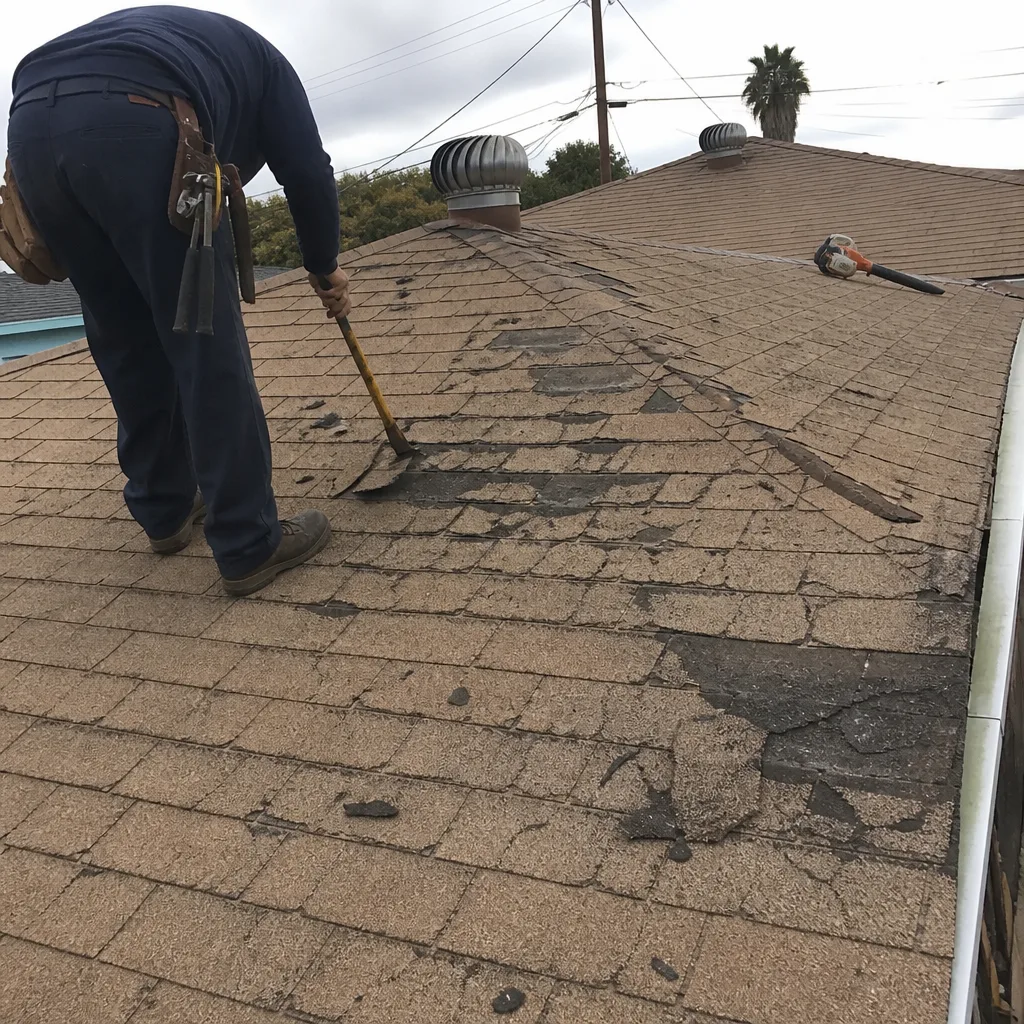 Before
 After
 Before
 After
 Before
 After