Last updated October 31, 2026
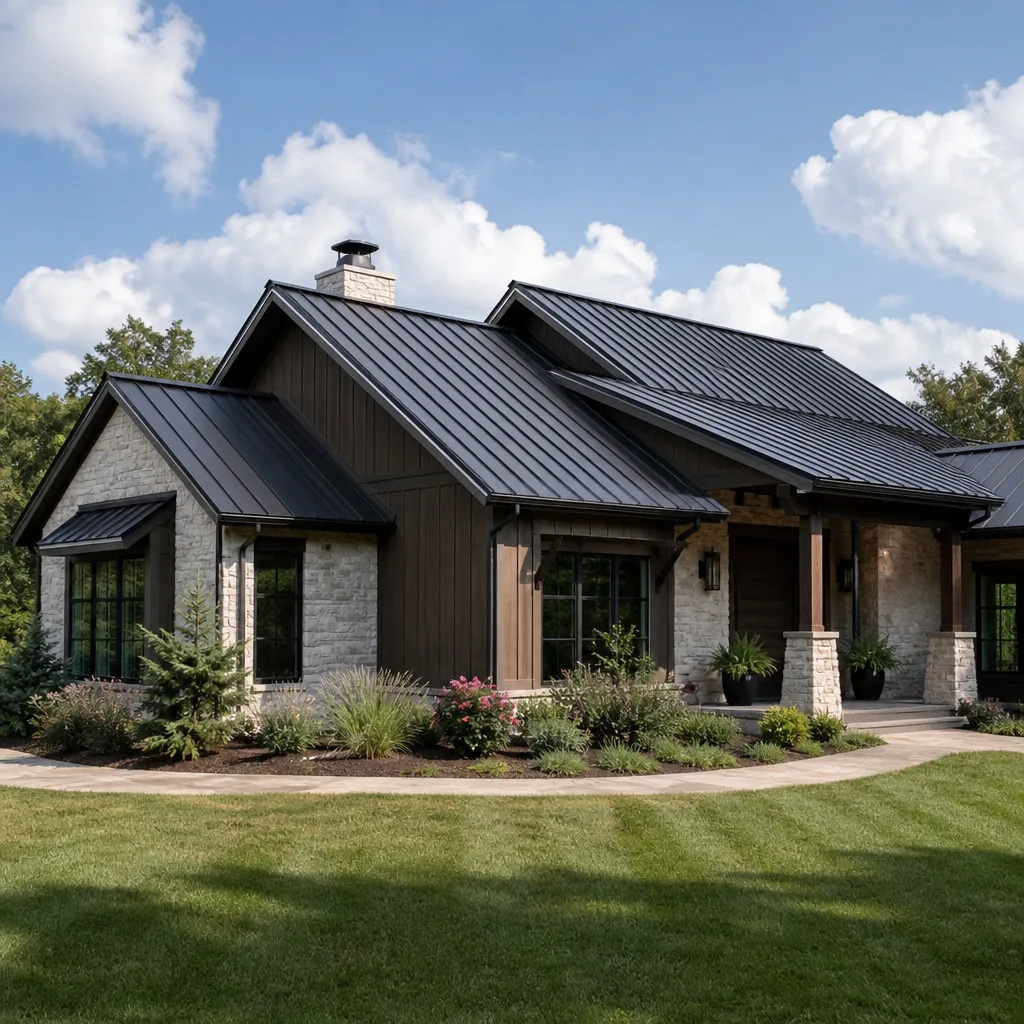 Metal roofing
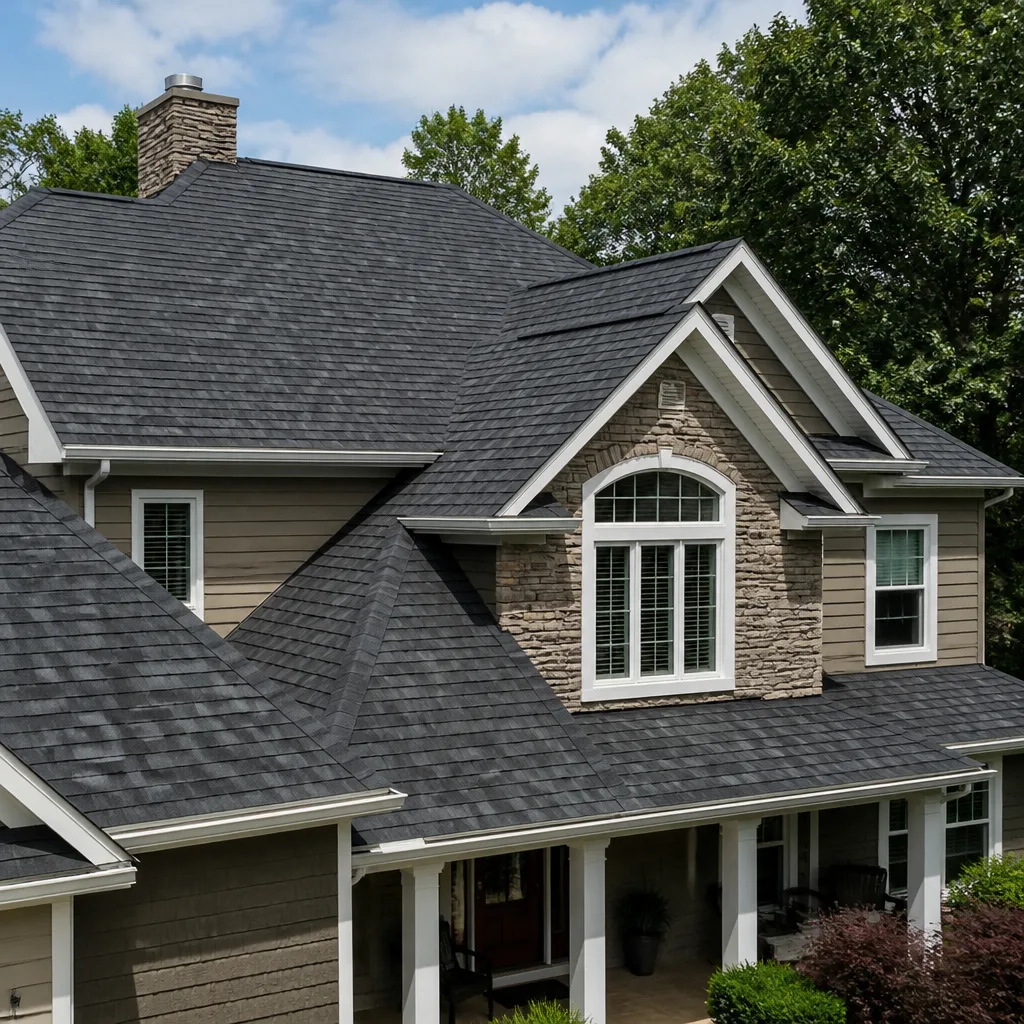 Architectural shingles
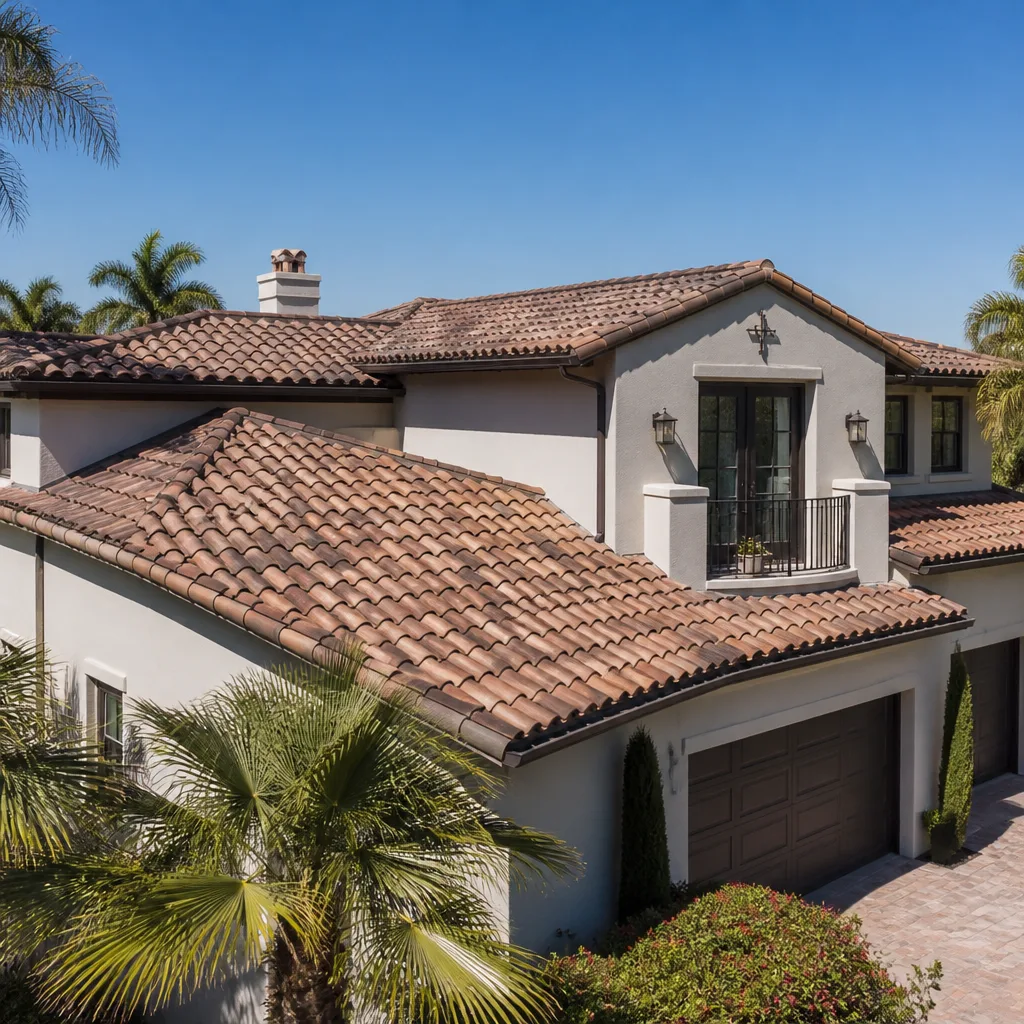 Tile roofing
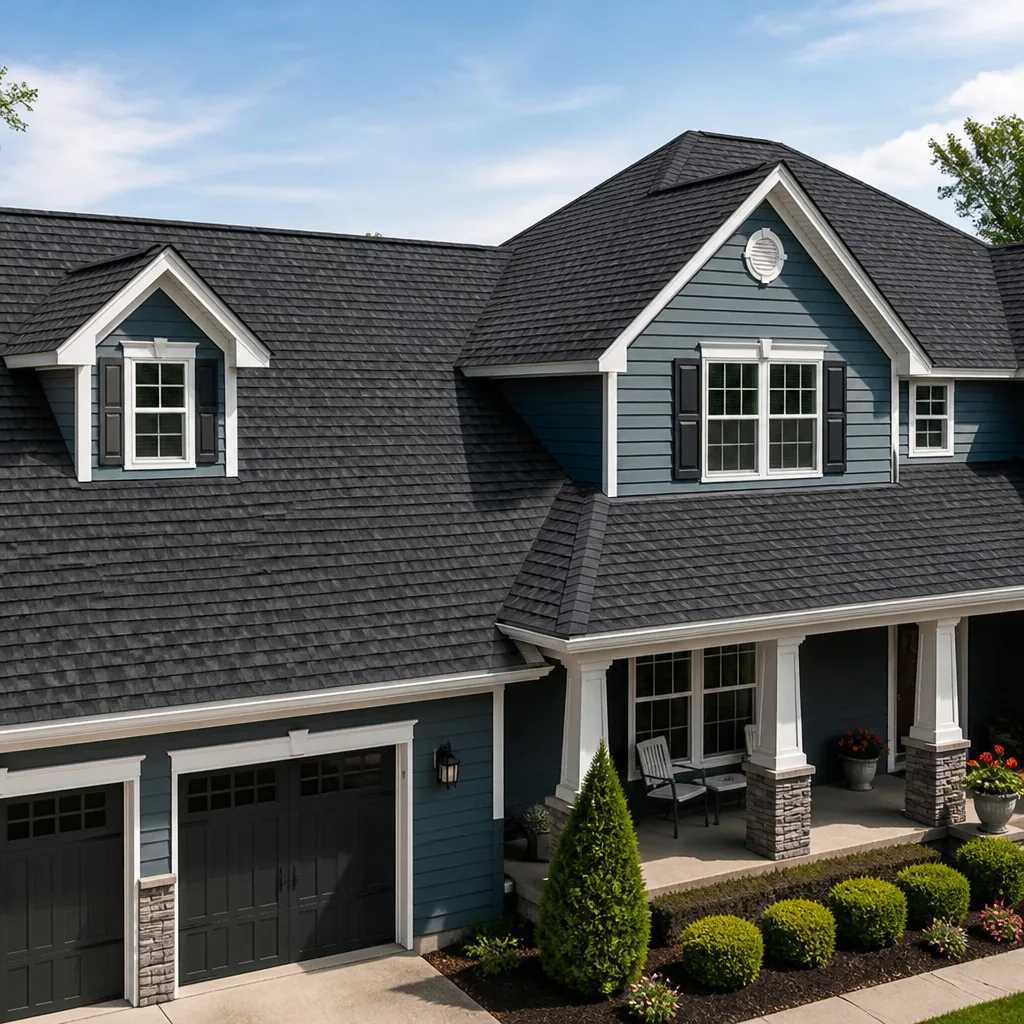 GAF
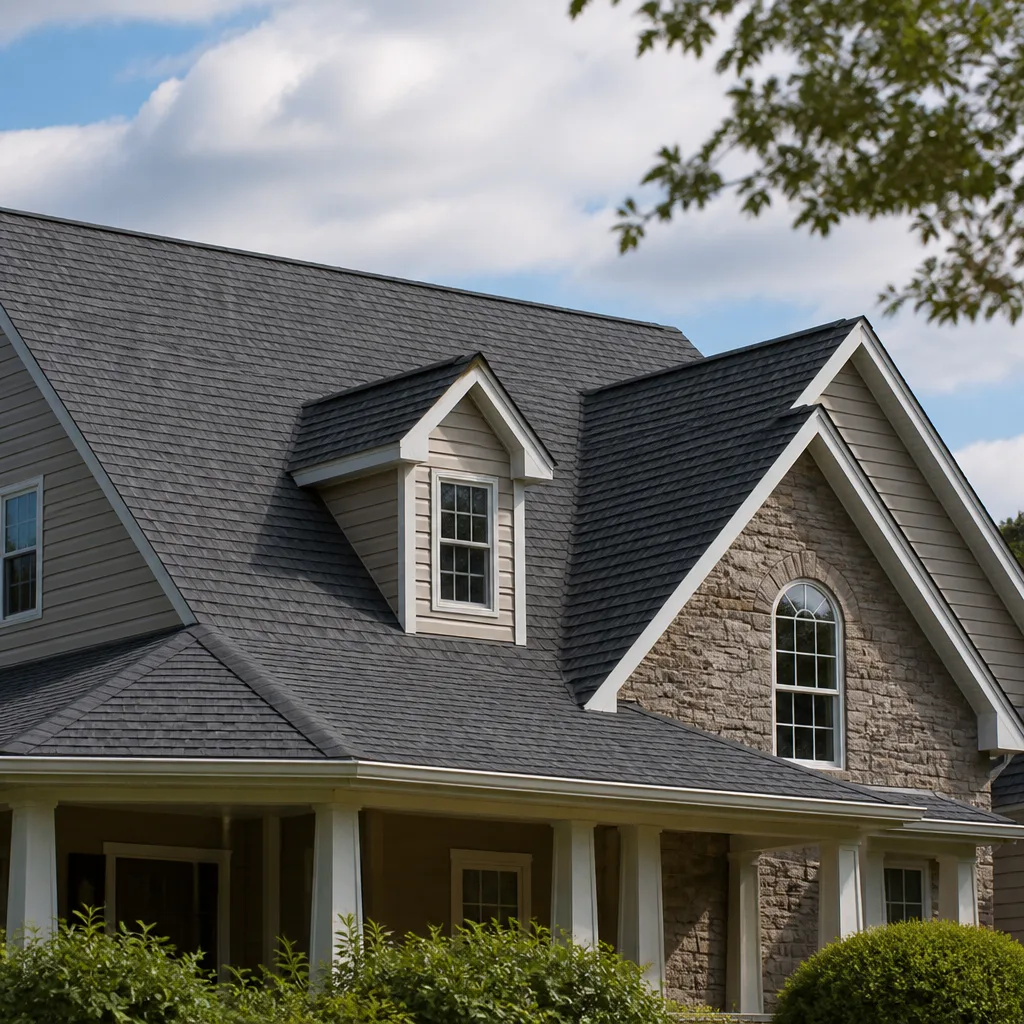 Owens Corning
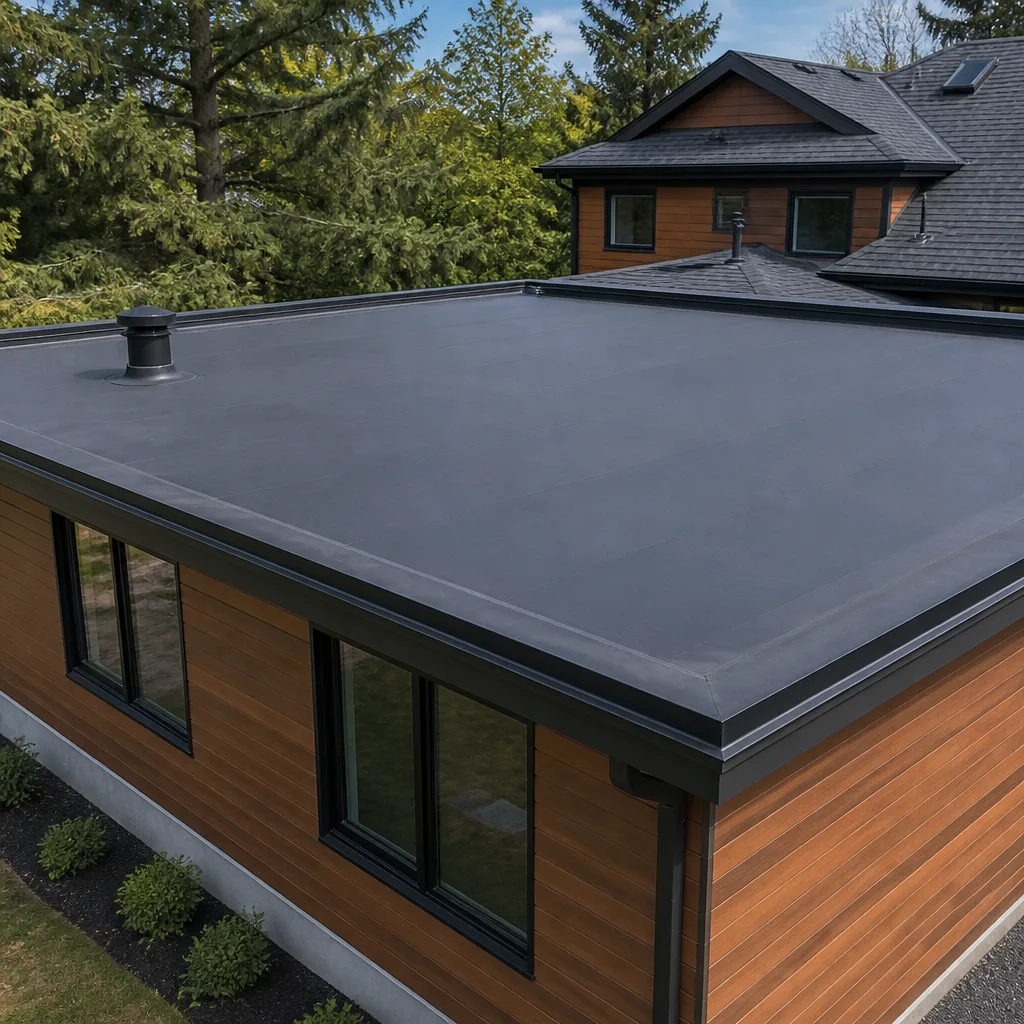 Flat & low-slope
Free roof inspection with deck photos before we talk money - GAF and Owens Corning certified installation
Roofing Emergency Preparedness Guide for East Los Angeles Homes
The 48 hours after a significant wind or rain event in East Los Angeles is when unlicensed contractors are most active, insurance adjusters are most backlogged, and homeowners are most likely to make an expensive decision they’ll regret. A roof that survives a storm with minor damage often gets replaced unnecessarily because the homeowner didn’t know what they were looking at, or gets patched badly because they hired the first person who knocked on the door. This guide is written from our experience responding to roofing emergencies across East Los Angeles, from City Terrace to Boyle Heights to Monterey Park’s border streets. You’ll learn what actually needs to happen in the first hours after damage, what can safely wait, how to document for insurance, and how to spot a contractor who’ll make things worse.
Quick Answer
The core of roofing emergency preparedness in East Los Angeles is having a plan before the Santa Ana winds or the season’s first heavy rain arrives. That plan has four parts: a pre-event inspection of your roof’s vulnerable points, a documentation system for storm damage, a fast way to distinguish active leaks from cosmetic damage, and a short list of vetted contractors you’d actually call. Prepared homeowners who follow this sequence typically spend 30-60% less on emergency roof repairs than those who react under pressure.
Styles & brands we work with
Table of Contents
- Why East Los Angeles Roofing Emergencies Follow a Predictable Pattern
- The Pre-Event Checklist: What to Do Before Santa Ana Season
- The First 48 Hours After Storm Damage: A Step-by-Step Triage
- Emergency Tarping on Pitched and Flat Roofs: The Method That Actually Holds
- Insurance Documentation: What to Photograph, Measure, and Write Down
- Repair Emergency vs. Damage That Can Wait: How to Tell the Difference
- Vetting Emergency Roofing Contractors: Three Checks in Under 15 Minutes
- Material Considerations When Repairing After East LA Weather Events
Why East Los Angeles Roofing Emergencies Follow a Predictable Pattern
East Los Angeles sits in a specific weather corridor that makes roofing damage more predictable than most homeowners realize. The Santa Ana winds, which typically run from September through February, push dry air from the high desert through the mountain passes and into the LA basin. For roofs in East LA, that means sustained gusts that lift shingle edges, tear at flashing, and throw branches and debris onto roof surfaces. The wind itself rarely destroys a roof. What it does is expose weaknesses that were already there: a shingle that lost its adhesive seal two summers ago, a piece of step flashing that pulled loose from thermal expansion, a vent boot that dried out and cracked.
Then comes the first hard rain, often arriving within weeks of the wind event, and suddenly that exposed weak point is a water entry path. In our experience across East Los Angeles neighborhoods, we see the same sequence year after year: wind exposes the problem, rain reveals it, and the homeowner discovers it as a brown stain on a bedroom ceiling at 2 a.m. The counterintuitive part is that the “emergency” often started months before the rain fell. That’s why preparation, not reaction, is what changes outcomes for East LA homeowners.
The other predictable element is the contractor surge. After any significant wind or rain event in East Los Angeles, out-of-area crews arrive within days. Some are legitimate. Many are not. They knock on doors in City Terrace and El Sereno, offer free inspections, and find damage whether it exists or not. We’ll cover how to filter these quickly later in this guide, but the pattern matters for preparation: the homeowners who have a relationship with a local contractor before the storm don’t make panicked decisions after it.
The Pre-Event Checklist: What to Do Before Santa Ana Season
Santa Ana season in East Los Angeles is not a surprise. It arrives every year, usually by late September. That means preparation can be scheduled, not improvised. Here’s the pre-event checklist we recommend completing before the winds start, ideally in August or early September.
- Gutter and downspout clearance. East LA’s mature trees, especially the eucalyptus and pepper trees common in older neighborhoods, drop leaves and debris constantly. Clogged gutters back water up under shingle edges during rain, and during wind events, debris in gutters becomes projectiles that scratch and dent roof surfaces. Clear them or have them cleared before October.
- Flashing inspection. Walk the perimeter of your home or use binoculars from ground level to check flashing at chimneys, skylights, vent pipes, and wherever roof planes meet walls. Lifted, rusted, or missing flashing is the single most common entry point for water in East LA homes.
- Loose element identification. Satellite dishes on roofs, old antenna mounts, swamp cooler frames, and solar panel edges all loosen over time. During a Santa Ana event, a loose satellite dish mount becomes a lever that tears a hole in your roof deck. Identify these elements and either remove them or have their mounts checked.
- Attic inspection after a dry walk. Go into your attic on a sunny day and look for light coming through the roof deck. Pinpoints of light mean holes or gaps. Dark stains on the underside of decking mean prior water intrusion. Both are signs that a weak point exists.
- Document your baseline. Take photos of your roof from multiple angles before storm season. If storm damage occurs, you’ll have a “before” reference for insurance purposes. It takes ten minutes and eliminates disputes later.
- Build a short list. Identify one or two local roofing contractors you’d call in an emergency. Check their license status with the Contractors State License Board. Save the numbers. You don’t want to be Googling “roof repair east los angeles” while water is coming through your ceiling.
This checklist takes under two hours to complete and costs nothing. The alternative, discovering weak points during the storm, costs thousands.
The First 48 Hours After Storm Damage: A Step-by-Step Triage
When a Santa Ana wind event or a hard rain passes through East Los Angeles, the first instinct is to climb onto the roof and look. Don’t do that first. Here’s the triage sequence that protects your safety, your insurance claim, and your wallet.
- Check for interior water entry first. Walk every room. Look at ceilings, especially corners and around light fixtures. Check attic spaces if accessible. Active water entry changes everything: it means you’re in a repair emergency, not a damage assessment. Look for active drips, spreading stains, or water beading on surfaces.
- Photograph interior damage immediately. Before wiping anything, before placing buckets, take photos. Wide shots showing the room context, close-ups showing the water. These establish causation for insurance.
- Contain what you can from inside. Place buckets or bins under active drips. If a ceiling is bulging, which means water is pooling in the drywall, place a tarp on the floor and gently puncture the bulge with a screwdriver to let the water drain in a controlled way. Don’t stand under the puncture point.
- Photograph exterior damage from ground level. Walk the perimeter. Photograph anything visible: missing shingles, lifted flashing, debris on the roof, dented vents. Use your “before” photos from the pre-event checklist if you have them.
- Call your insurance company only after you understand the damage. Filing a claim for minor damage can raise premiums or result in a claim on your record with no payout. For a broken shingle or two, the repair cost is often below the deductible, and paying directly is cheaper than filing.
- Call your pre-vetted contractor for a repair assessment. If you have a short list from your pre-event preparation, this is when you use it. If you don’t, use the vetting process in the section below before anyone touches your roof.
The key discipline in the first 48 hours is not making a permanent decision about your roof. The goal is stabilization and information. Watch for the next section on tarping, because that’s the stabilization piece.
Emergency Tarping on Pitched and Flat Roofs: The Method That Actually Holds
Emergency tarping is the difference between a controlled situation and an escalating one. Done correctly, a tarp holds through additional wind and rain until permanent repairs happen. Done incorrectly, it becomes the problem: tarp edges flapping in wind pull out the fasteners and create larger holes in the roof surface. Here’s what matters for both roof types common in East Los Angeles.
For pitched roofs (the majority of East LA homes): The tarp must extend past the damaged area by at least 18 inches on all sides, and it must be anchored to the roof deck, not to the shingle surface. The method is to position the tarp with its top edge under the shingle course above the damage, then secure with furring strips screwed through the tarp and into the decking. This “shingle sandwich” keeps water flowing over the tarp rather than under it. Tarp edges along the sides and bottom need fasteners every 12 inches. In a Santa Ana wind event, loose tarp edges fail within hours; the tarp becomes a sail and rips out everything attached to it.
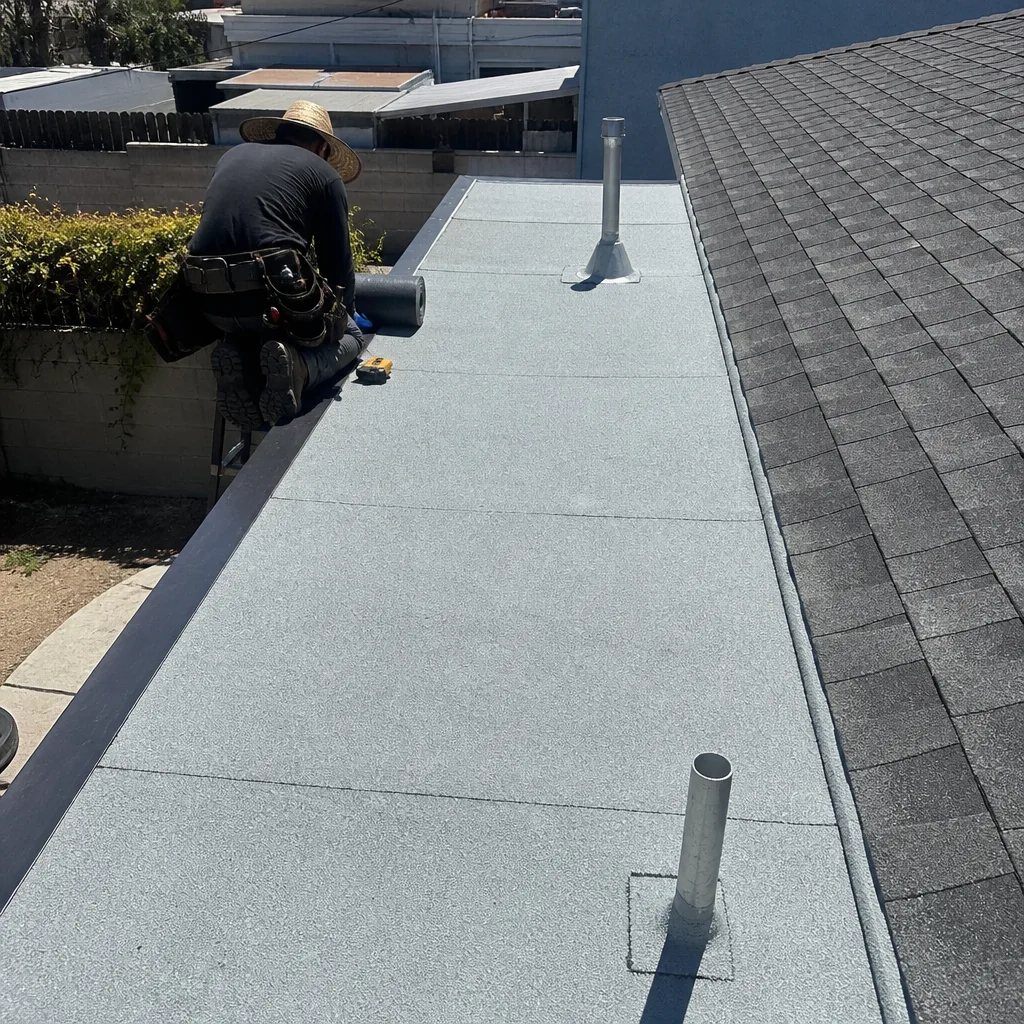
For flat roofs (common on commercial strips along Whittier Boulevard and on many multi-family buildings): Flat roof tarping is different. The tarp must be sealed to the roof surface with a water-resistant adhesive (like a butyl tape) along all edges, then mechanically fastened. On a flat roof, water ponds, so a tarp that isn’t sealed becomes a water trap. The seams between overlapping tarp sections also need sealing. If the roof has a parapet wall, the tarp should extend up the wall and be secured to the wall surface, not just the roof deck.
Safety note: Roof tarping means working at height, on a surface that may be wet, and during conditions that caused the damage in the first place. Falls from roofs are among the most common causes of serious injury and death in home maintenance. If you’re not physically comfortable on a roof, or if the roof has any pitch at all after rain, this is a job for a professional. The cost of emergency tarping by a licensed contractor is small compared to the cost of a fall. Our team does emergency tarping as a bridge to permanent repair, and we’d rather you call than risk it. Call (877) 752-3460 if you need immediate stabilization.
Insurance Documentation: What to Photograph, Measure, and Write Down
Insurance claims for roof damage in East Los Angeles often fail not because the damage wasn’t covered, but because the documentation didn’t tell the story clearly. Adjusters review claims days or weeks after the event, and they’re looking for evidence that connects the weather event to the damage. Here’s the documentation sequence that makes their job easy and protects your claim.
Photo sequence, in order:
- Wide-angle exterior shots showing the entire roof from all four sides, taken from ground level.
- Mid-range shots of the specific damage areas, showing context (which section of roof, which roof plane).
- Close-up shots of damaged shingles, flashing, vents, or decking, with a coin or ruler in the frame for scale.
- Interior shots showing water staining, active drips, or damage to ceilings, walls, and floors, with room context.
- If possible, photos taken during or immediately after the weather event, showing rain, wind, or water entry in progress.
Interior moisture readings: If you have a moisture meter, use it. Document readings at the damaged area and at a dry control point. If you don’t have a meter, a simple description works: “ceiling damp to touch, water staining extending 3 feet from corner alongside exterior wall.” The specific measurements matter more than the tool used.
Written timeline: Insurance adjusters love timelines because they establish causation. Write down:
- Date and time you first noticed the leak or damage.
- Weather conditions at the time (rain, wind, both).
- What you observed (water dripping from ceiling, missing shingle visible from ground).
- What you did in response (placed bucket, called roofer, applied tarp).
- Who you called, when, and what they said.
Keep this timeline in a notes app or a physical notebook. The timestamp is the thing. A homeowner who documents an event in real time has an easier claim than one who reconstructs it weeks later.
Repair Emergency vs. Damage That Can Wait: How to Tell the Difference
The most expensive mistake in roofing is treating every issue as an emergency, and the most dangerous mistake is treating an emergency as something that can wait. Here’s how to distinguish between the two, based on the patterns we see across East Los Angeles homes.
Signs of an active repair emergency (act now):
- Water is actively entering the interior of the home: dripping, running, pooling, or wet spots that are growing. This is the defining emergency condition. Water moves fast and damage compounds hourly.
- A section of roof decking is exposed: you can see plywood or OSB where shingles used to be. This means your home’s structural layer is open to the elements.
- Flashing is completely detached and allowing water entry around a chimney, skylight, or wall intersection.
- A tree branch has punctured the roof surface, even if the hole looks small. Puncture wounds tear larger over time.
- The ceiling is bulging or sagging, which means water is pooling in the drywall and the ceiling may collapse.
Signs of damage that can wait for a scheduled appointment:
- Missing shingles with no interior water entry and no exposed decking. The tar paper or underlayment beneath the shingles is designed to shed water temporarily until shingles are replaced.
- Cosmetic granule loss: shingles look thin or have bare patches but are not cracked through or torn. This is normal aging, not an emergency.
- Rust on flashing that isn’t actively leaking. This is a maintenance item, not an emergency.
- Discolored shingles or moss growth. These indicate aging and moisture retention but are not active leaks.
- Any damage you only discovered because you were looking at the roof from the street, not because water was entering the home.
If you’re unsure, the honest answer is that an inspection answers the question. Roof inspection as a standalone service exists for exactly this scenario. It’s not a sales tactic; it’s a diagnostic. In our practice, we offer Roof Inspection in East Los Angeles as an independent evaluation, and the recommendation that follows is based on what’s actually there, not on what we’d like to sell. When repair is the right scope, that’s what we recommend. When replacement is genuinely needed, we’ll show you why with documentation, not pressure.
Vetting Emergency Roofing Contractors: Three Checks in Under 15 Minutes
After a storm, unlicensed contractors descend on East Los Angeles neighborhoods in trucks without logos, offering free inspections and same-week installation. Their pitch is built on urgency: the tarp is temporary, the next storm is coming, the price goes up if you wait. Some of these crews do terrible work and disappear. Some are scammers who take a deposit and never return. Here’s how to filter them, in under 15 minutes, while they’re standing in your driveway.
Check 1: License verification (5 minutes). Every legitimate roofing contractor in California carries a C-39 roofing license. Ask for the license number. Then check it on the Contractors State License Board website on your phone. Confirm the license is active, not expired or suspended. Confirm the name on the license matches the company name. In the rush after a storm, this single check eliminates most scammers before they get past the front porch.
Check 2: Physical business address (5 minutes). Ask where the contractor is based. A local East LA or nearby LA County address is a good sign; an out-of-state address with a phone number is a red flag. But don’t rely on the answer: look up the address while they wait. If the address is a UPS store, a P.O. box, or doesn’t exist, you’re dealing with a transient operation. Local contractors live with their reputation. Transient crews don’t have one.
Check 3: Written estimate with line items (5 minutes). Ask for a written estimate that itemizes the work: what gets removed, what gets installed, what materials, what labor, what permits, what disposal. A verbal price is worthless. A line-item estimate tells you what you’re actually paying for, and it’s the baseline for comparing against other bids. A transparent estimate, like the ones we provide, shows exactly where your money goes. If a contractor won’t put it in writing, that’s the end of the conversation.
In our experience, these three checks take less than 15 minutes and eliminate the majority of post-storm scammers operating in East Los Angeles. The contractors who pass these checks are the ones you can actually hold accountable for the work. The ones who fail them were never going to be accountable in the first place.
Material Considerations When Repairing After East LA Weather Events
When a roof needs repair after a storm, the material question comes up fast. The right answer depends on what’s already on your roof, what failed, and what performance characteristics you need going forward. This is where material-agnostic advice matters, because a contractor who only carries one brand is going to recommend that brand whether it’s the right call or not.
We stock and install products from seven manufacturers: GAF, CertainTeed, Owens Corning, IKO, Atlas, Tamko, and Boral. That breadth exists because different roof situations in East Los Angeles call for different materials. A flat roof on a 1920s bungalow in City Terrace has different requirements than a pitched roof on a 1970s ranch in El Sereno. A homeowner replacing two shingles after a wind event needs a product that matches the existing roof’s color and profile. A homeowner replacing an entire roof after repeated wind damage needs a material with a higher wind rating.
When we recommend a material, it’s because the product fits the specific roof, budget, and performance needs, not because we’re locked into a brand contract. Tamko shingles, for example, offer strong wind coverage at a mid-range price point. Boral products bring impact resistance and fire rating that makes sense in the dry, brush-adjacent edges of East LA. GAF and CertainTeed have widespread availability and strong warranty programs. The point isn’t one brand over another. It’s that the recommendation should come from the roof’s actual condition and the homeowner’s actual priorities.
For the “which material should I use” question after a storm, the honest answer starts with matching what’s already on the roof. If a repair, match the existing shingle. If a replacement, look at what failed, and choose a material that doesn’t repeat the failure. That’s the decision tree. We’re happy to walk East LA homeowners through it on a roof-by-roof basis.
Common Mistakes to Avoid
- Waiting until the leak is visible inside. By the time water is staining a ceiling in East LA, it has already passed through the roof decking, soaked the insulation, and saturated the drywall. The damage is weeks or months old. Pre-event inspection catches these before they become emergencies.
- Signing with the first contractor who knocks. The door-knockers who appear after every East LA storm are playing a volume game. They don’t need your repeat business; they need your deposit before they move to the next block. License check first, always.
- Filing an insurance claim for minor damage. If the repair cost is below your deductible, or only barely above it, filing a claim can cost more in premium increases than it recovers. Get a repair estimate first, then decide whether to involve insurance.
- Using a tarp that’s too small or too loose. A tarp that doesn’t extend past the damage or isn’t mechanically fastened becomes a bigger problem than the original damage. In Santa Ana winds, loose tarps tear out fasteners and enlarge holes.
- Ignoring the pre-event checklist. The cheapest roofing emergency in East Los Angeles is the one that never happens. Two hours of preparation in September is worth thousands in December.
- Paying in full before the work is done. No legitimate roofing contractor in East LA demands full payment upfront. A reasonable deposit with a payment schedule tied to work milestones is standard. Full payment before work is finished is a scam flag.
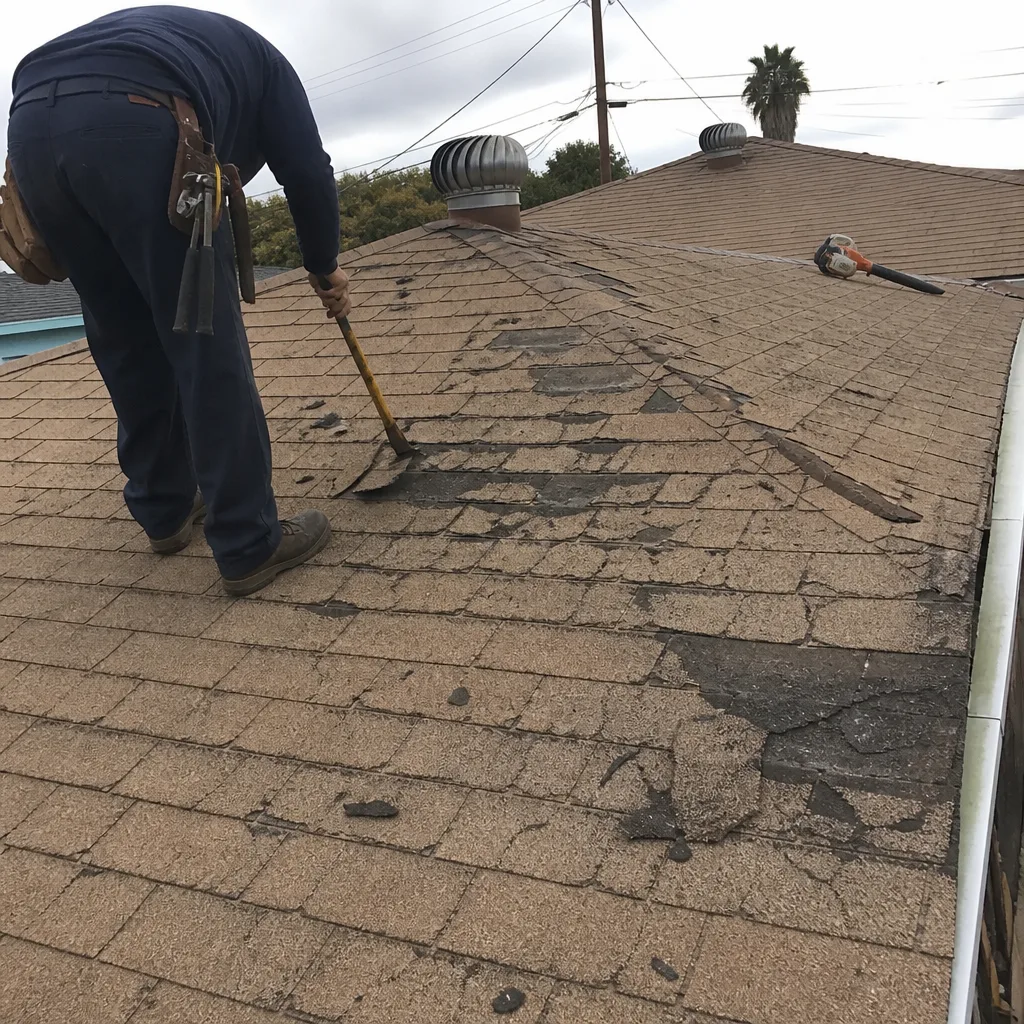
See the difference
 Before
 After
 Before
 After
 Before
 After
When to Call a Professional
Some roofing situations are genuinely do-it-yourself: clearing gutters, photographing damage, placing a bucket under a drip. Others are genuinely not. If water is actively entering your home, call a professional. If you can see exposed decking or structural damage, call a professional. If the repair involves being on the roof, especially after rain, call a professional. If you’re not sure whether you have an emergency, call a professional who will tell you honestly instead of inventing damage. That’s the whole point of an inspection-first approach. Sunrise Roof Repair offers Roof Repair in East Los Angeles with free estimates; call (877) 752-3460 and we’ll assess what’s actually there.
Frequently Asked Questions
Emergency roof repair in East Los Angeles typically costs $350 to $900 for emergency tarping and stabilization, and $500 to $2,500 for permanent repairs of typical storm damage, depending on the extent, materials, and whether the work involves a flat or pitched roof. The figures are broad because every roof is different, and what looks small from the ground can involve decking replacement underneath. The way to get an accurate number is a written, line-item estimate from a licensed local contractor. That’s what we provide, and it’s free. Call (877) 752-3460 for an exact quote on your roof.
Emergency tarping is generally completed within hours once a crew is on site, because it’s the stabilization step that buys time for a proper repair. The “how fast” question depends on the contractor’s response system and workload. When you’re working with a local East LA contractor, you’re not waiting for a crew to drive in from another county. If you have active water entry, call as soon as you see it; every hour that water runs inside your walls is compounding damage.
Santa Ana wind damage on an East Los Angeles roof usually presents as lifted or missing shingles, torn or peeled flashing, dented vents from flying debris, and piles of leaves and branches lodged against roof penetrations. The wind rarely punctures a roof on its own; it exposes weak points. If you see shingles on the ground around your house after a wind event, you likely have roof damage that warrants a professional look before the next rain.
Emergency tarping is generally covered by homeowners insurance as part of a storm damage claim, because it’s considered necessary mitigation to prevent further damage. The tarping cost gets included in the claim documentation. Your deductible applies, so on smaller damage amounts, you’ll want to weigh the repair cost against the deductible before filing. For documentation, save the tarping invoice and photographs of the tarp in place.
Minor roof repairs in East Los Angeles, like replacing a few shingles or resealing flashing, typically do not require a building permit. Larger repairs involving structural repairs or replacement of significant roof sections generally do. The specific requirements depend on the scope and your property’s jurisdiction. A licensed local contractor handles this as part of the estimate and the work, so it’s not a question you need to resolve on your own before calling.
You know by having the roof inspected by someone who isn’t motivated to sell you the bigger job. The general rule we work by is: repair when the damage is isolated and the roof’s age and condition support more service life, replace when the damage is widespread or the roof has reached the end of its functional life. A Roof Inspection in East Los Angeles with photographic documentation is how you get that answer. We inspect first, recommend second.
The Bottom Line
Roofing emergencies in East Los Angeles follow a pattern: Santa Ana winds expose weakness, the first hard rain exploits it, and homeowners make decisions under pressure they wouldn’t make in calmer conditions. Preparation breaks that pattern. A pre-event checklist clears the vulnerabilities. A documentation system protects the insurance claim. A vetted contractor short list eliminates the scam risk. And a basic understanding of what’s an emergency versus what can wait keeps the cost right-sized. The roof is the most important structural surface on your home. Treat it like you’d treat any other emergency system: have a plan before you need it. If you’re in East Los Angeles and want a professional assessment, Roof Replacement in East Los Angeles and Roof Repair in East Los Angeles both start with the same first step: an honest inspection. Call (877) 752-3460 for a free estimate. And if you want to understand the full scope of what we do, start at the Sunrise Roof Repair home page.
Written by the team at Sunrise Roof Repair, serving East Los Angeles since 2015.