Last updated October 31, 2026
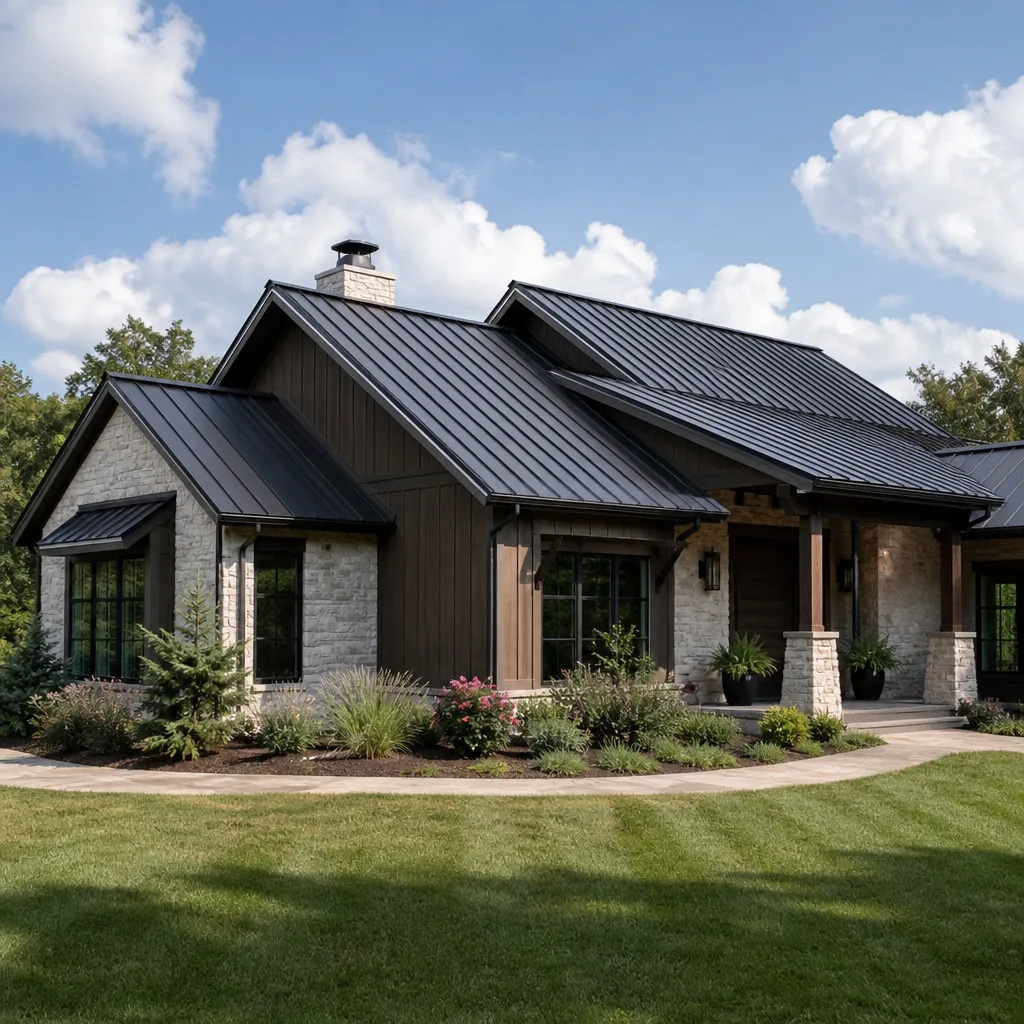 Metal roofing
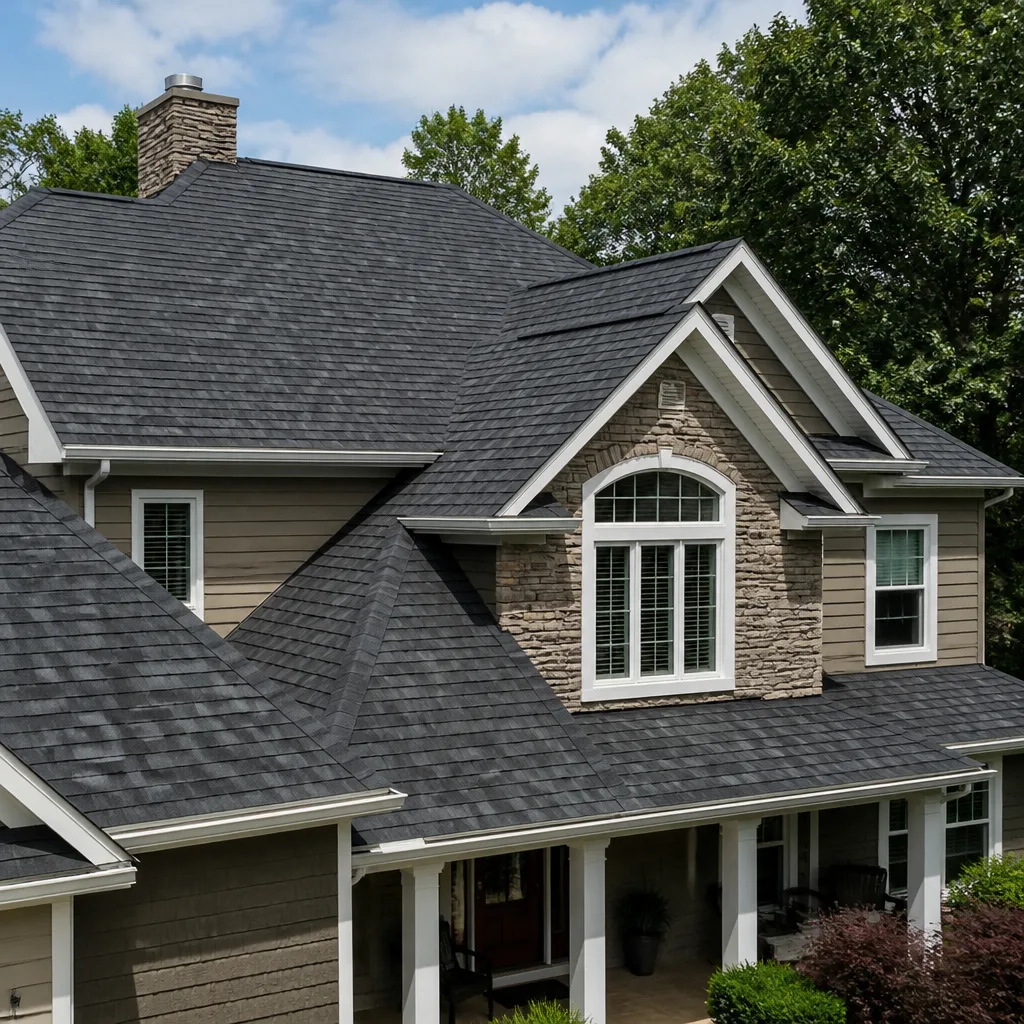 Architectural shingles
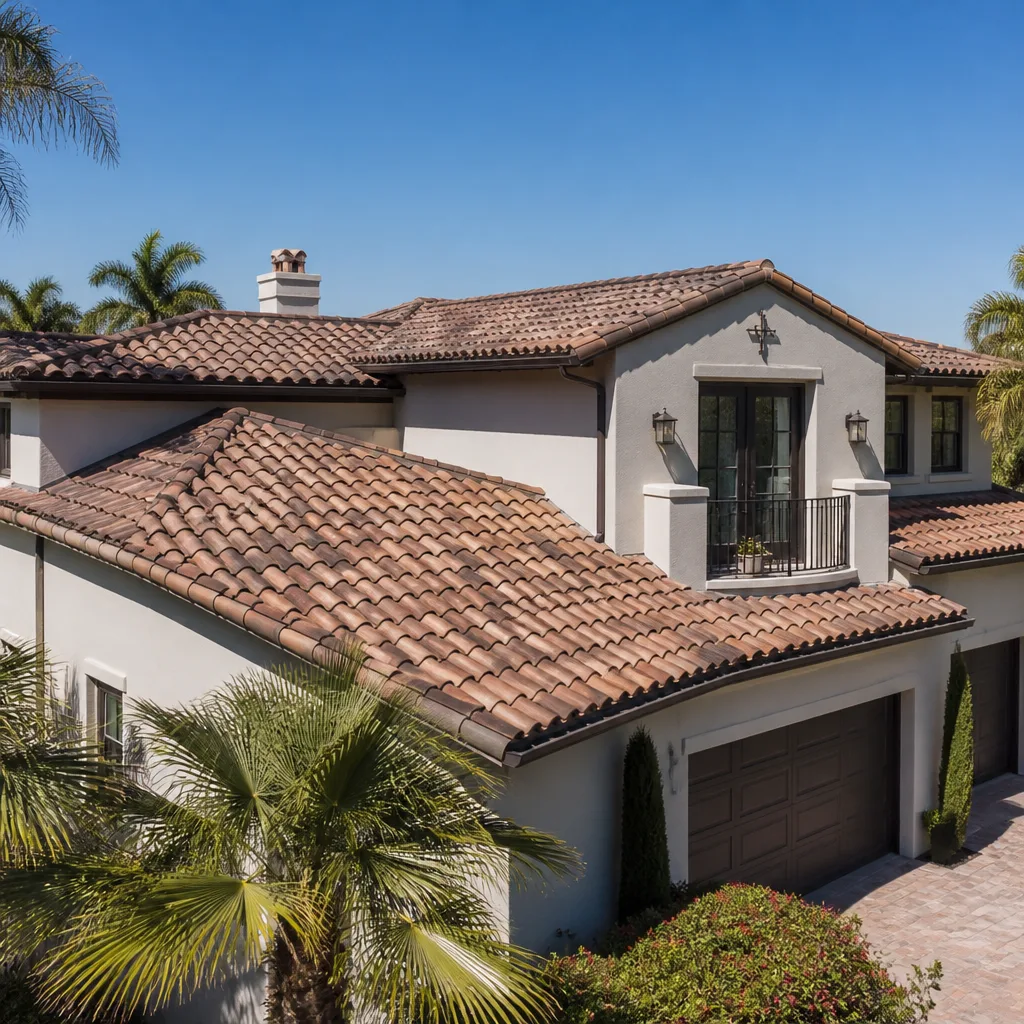 Tile roofing
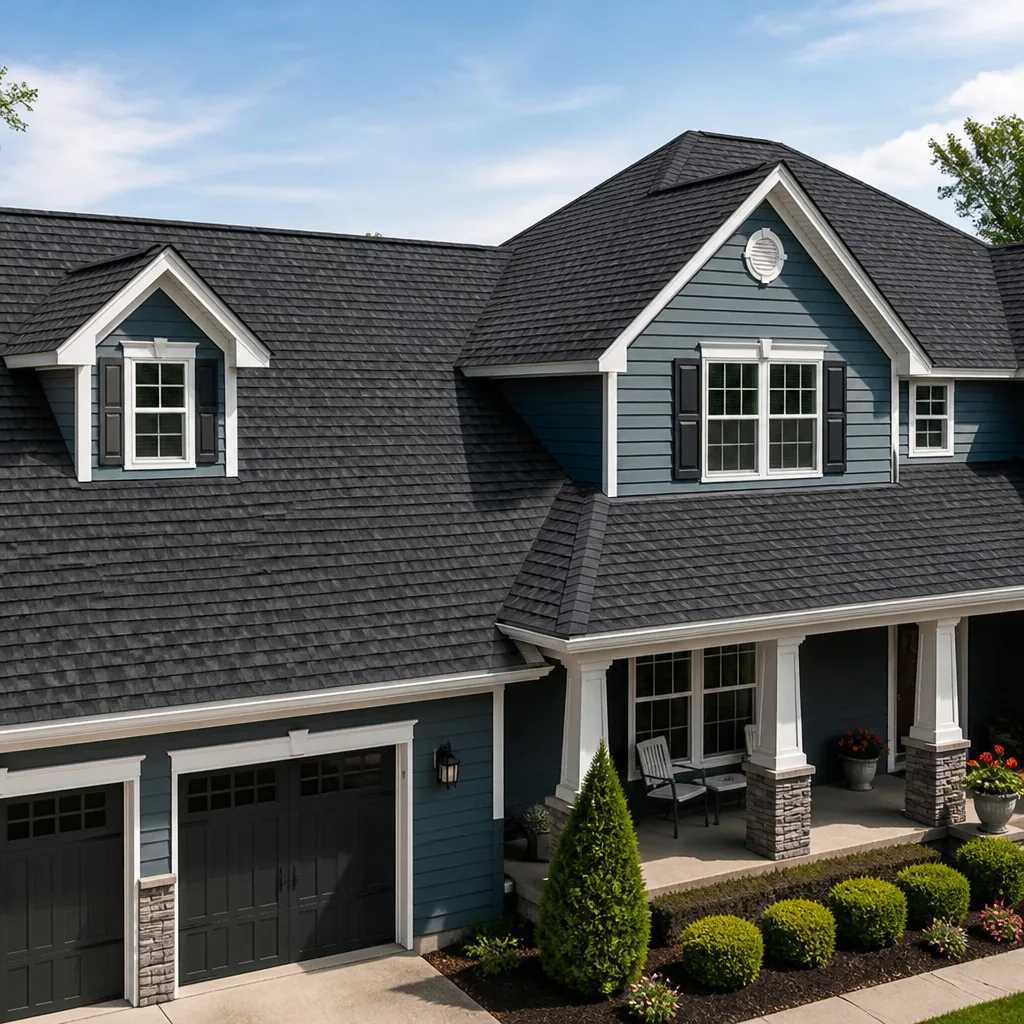 GAF
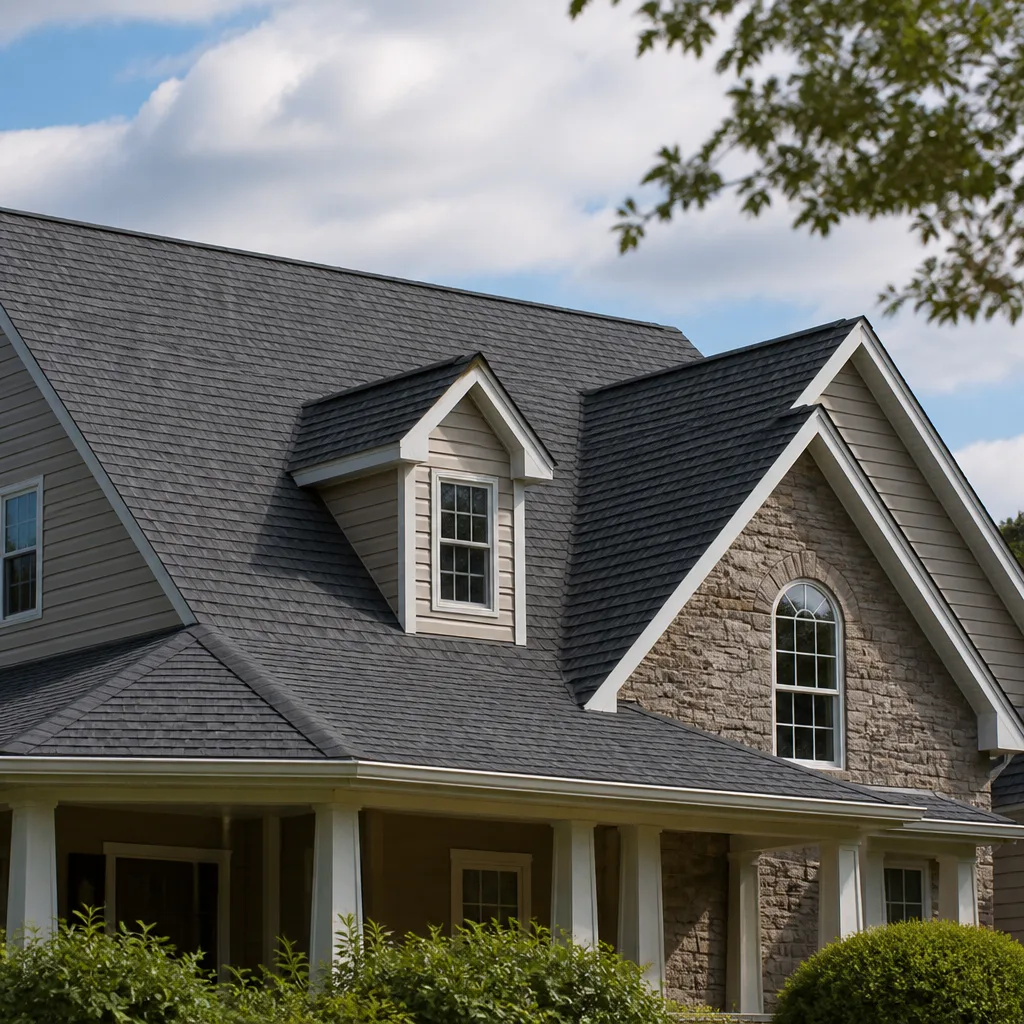 Owens Corning
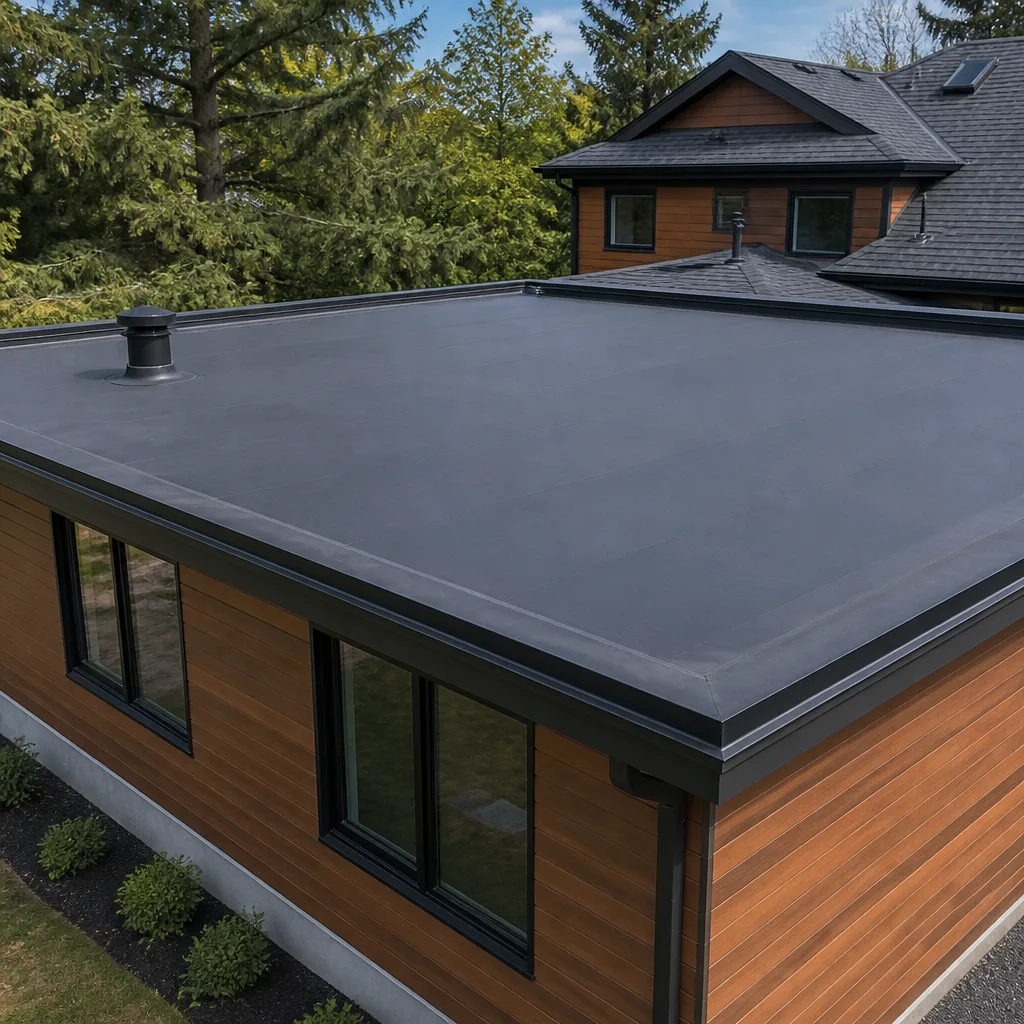 Flat & low-slope
Free roof inspection with deck photos before we talk money - GAF and Owens Corning certified installation
The Complete Guide to Roofing in East Los Angeles
East Los Angeles has more homes built before 1960 than almost any comparable urban neighborhood in the country. Walk any street between Atlantic and Indiana, and you’ll see the evidence: craftsman bungalows with low-slope porch overhangs, Spanish Revival duplexes with clay tile, and 1920s-era homes that have been added onto three or four times since the original permit was pulled. Most of those roofs were never designed for the heat island effect that’s intensified over the last two decades, and the result is a roofing environment unlike anywhere else in Southern California. This guide covers what East Los Angeles homeowners actually need to know: how our heat, smog particulate, wind corridors, and building codes shape every roofing decision, from inspection to full replacement.
Styles & brands we work with
Quick Answer
Roofing in East Los Angeles means managing older housing stock, dense urban lots, Santa Ana wind exposure, and LA County code jurisdiction, all under an urban heat island that shortens the life of standard materials. The right approach starts with a standalone roof inspection to identify actual failure points, then matches materials to your specific roof’s slope, age, and exposure rather than defaulting to whatever a single-brand contractor carries. Use this guide to understand ELA-specific roofing pressures, then get a professional assessment before making any repair or replacement decision.
Table of Contents
- Why East Los Angeles Is Its Own Roofing Climate
- Low-Slope Roofs on Postwar Bungalows: The Failure Modes No One Talks About
- LA County vs. City of LA: Which Code Applies to Your ELA Address
- Homes with Additions and Permitted Work from Multiple Decades
- Material Longevity in ELA: What Actually Lasts Here
- What a Roof Inspection in East Los Angeles Should Cover
- Repair vs. Replacement: Making the Honest Call
- Common Mistakes to Avoid
- When to Call a Professional
- Frequently Asked Questions
- The Bottom Line
Why East Los Angeles Is Its Own Roofing Climate
Coastal Los Angeles gets a marine layer. The hills get canyon winds and wildfire adjacent dryness. East Los Angeles gets something different: an urban heat island that sits on top of one of the densest collections of pre-1960 housing stock in the country. On a summer afternoon, surface temperatures on ELA roofs routinely run 20 to 30 degrees hotter than what the same material would experience three miles away in Monterey Park or Commerce. That heat differential changes how materials age. We’ve seen asphalt shingles on ELA homes show granule loss and curling five to eight years earlier than identical products installed on comparable homes closer to the coast. The reason isn’t that the shingles are defective. It’s sustained thermal stress combined with UV exposure that doesn’t get moderated by ocean air.
Add smog particulate and dust to that mix. East Los Angeles sits directly downwind of the 710 and 60 freeway corridors, and the fine particulate that settles on roofs traps heat and holds moisture against the surface. Over time, that particulate accelerates surface degradation, especially on low-slope roofs where water doesn’t sheet away with the same force as it does on steeper pitches. When we assess a roof in ELA, we’re not just looking for cracks and missing shingles. We’re looking at how the roof has responded to a specific combination of sustained heat, UV, and airborne particulate that coastal inspectors rarely have to account for.
What the Heat Island Means for Your Roof
- Asphalt shingles age faster here. Expect a practical lifespan of 15 to 20 years on standard architectural shingles, not the 25 to 30 years manufacturers list for temperate climates.
- Elastomeric coatings on low-slope roofs break down sooner. Reflection loses efficiency after 5 to 7 years under ELA sun, meaning recoating schedules matter more than in cooler parts of LA County.
- Ventilation matters more. Attic temperatures in ELA can exceed 140°F in August without proper airflow, which accelerates shingle decay from underneath even when the surface looks intact.
- Nighttime temperatures don’t drop as far here. Materials get less recovery time from daytime expansion, which compounds thermal cycling fatigue year over year.
This isn’t a reason to avoid living in East Los Angeles. It’s a reason to be smarter about what goes on top of your house. The right material for an ELA roof is one that handles sustained thermal load, not one that looks good in a national catalog photo. That kind of local knowledge is exactly what you want from any roofing contractor you invite onto your property. You can read more about our philosophy on Sunrise Roof Repair home and how we approach East Los Angeles homes specifically.
Low-Slope Roofs on Postwar ELA Bungalows: The Failure Modes No One Talks About
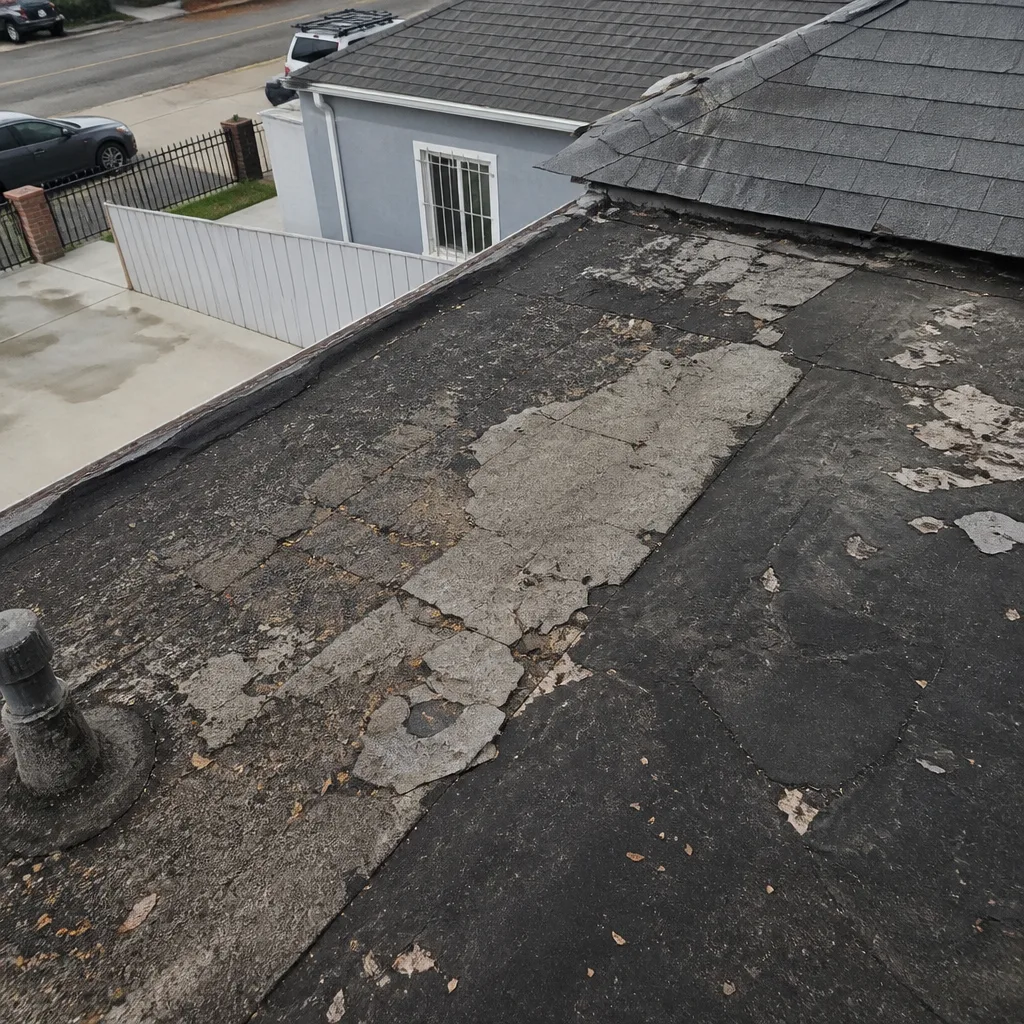
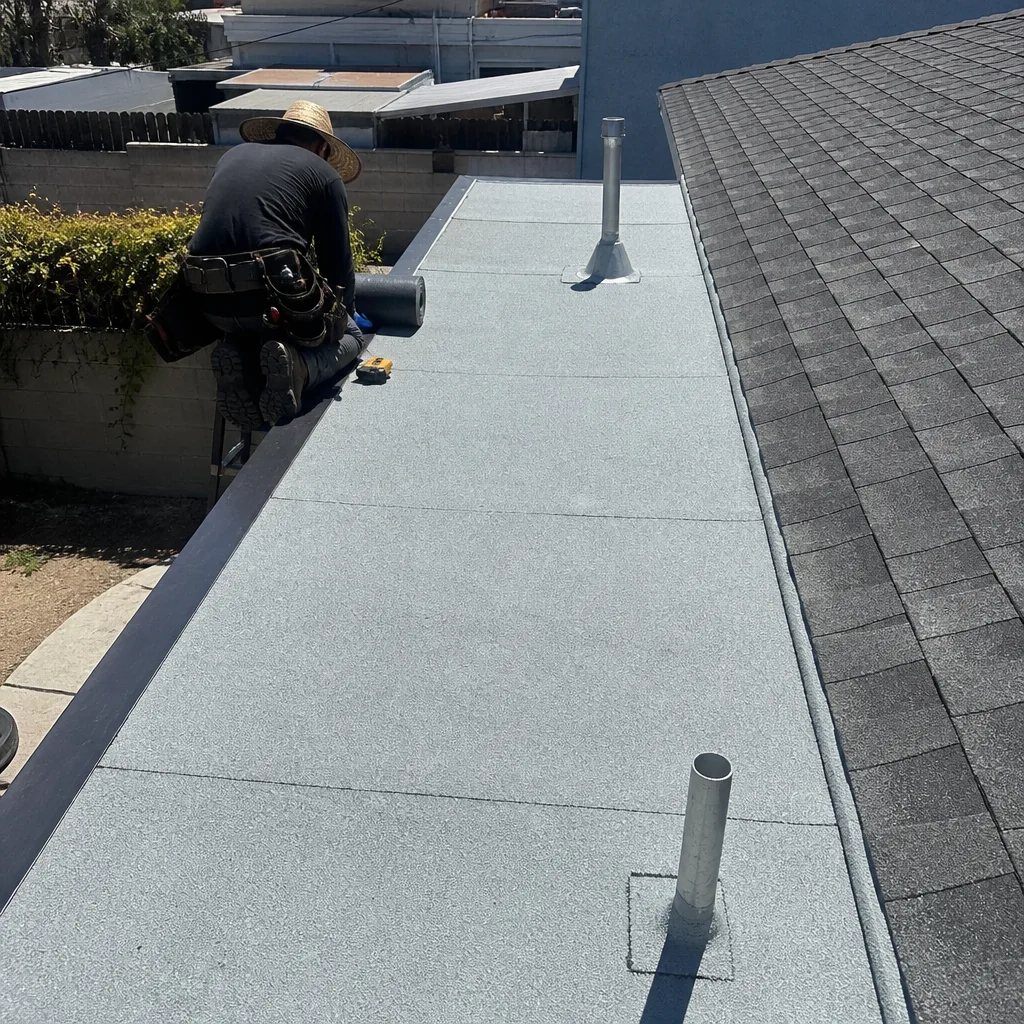
If your East Los Angeles home was built between 1945 and 1965, there’s a strong chance you have a low-slope roof, meaning a pitch shallow enough that water doesn’t drain the way it does on a traditional pitched roof. Low-slope isn’t flat, but it’s close enough that drainage depends on slope angles of one or two percent, which is measured in fractions of an inch per foot. These roofs fail differently than pitched roofs, and if you don’t know what you’re looking at, the failure can be well underway before you ever see a water stain on the ceiling.
The Failure Sequence on a Low-Slope ELA Roof
- Surface membrane aging. Whether your low-slope roof uses modified bitumen, built-up layers, or a single-ply membrane, the surface absorbs UV and heat. In ELA, the membrane starts to dry out and lose flexibility within the first decade.
- Seam and flashing stress. The joints where the roof field meets parapet walls, chimneys, or plumbing vents are where movement concentrates. Thermal expansion during the day and contraction at night pulls at these seams, and on older homes with settling foundations, that stress can open gaps of a quarter inch or more.
- Ponding water. Even a slight dip in the roof deck, from decades-old framing or previous patch work, holds water after rain. In ELA’s dry season, that water evaporates and leaves sediment behind. Over successive rains, the sediment builds up and accelerates membrane wear in that specific spot.
- Interior water intrusion. By the time water shows up on the ceiling below, it has usually traveled through the membrane, across the roof deck, and into the building envelope. The leak may not even be directly above the stain you’re seeing.
What makes ELA low-slope roofs particularly vulnerable is the combination of old framing and sustained heat. Homes in neighborhoods like Belvedere and City Terrace have roof decks built from lumber that’s now 60 to 80 years old. That framing moves more than newer construction, which means the membrane has to flex more than it was designed to. For these homes, a roof inspection that evaluates the deck condition, not just the surface membrane, is the only way to know whether a retail repair will actually hold. Our Roof Inspection in East Los Angeles service includes a full deck evaluation for exactly this reason.
LA County vs. City of LA: Which Code Applies to Your ELA Address
East Los Angeles is unincorporated Los Angeles County territory. That matters for roofing because it determines which building department reviews your permits, which code version applies, and which inspection process you’ll go through. If you live in the actual East Los Angeles neighborhood, you are not under the City of Los Angeles Department of Building and Safety. You are under Los Angeles County Public Works, Building and Safety Division, and the current code is the 2022 California Building Standards Code with LA County amendments. That’s the same code framework the City of LA uses, but the enforcement office, permit process, and specific local amendments differ.
How to Confirm Which Jurisdiction You’re In
- Check your address on the LA County Assessor’s portal. If your property listing says “unincorporated” or shows “Los Angeles County” as the taxing authority, you’re in County jurisdiction.
- Verify against the LA County Public Works service locator. Unincorporated areas include most of East Los Angeles proper, while some nearby pockets like areas annexed to Monterey Park or Montebello fall under city codes.
- Ask your contractor which department they’re pulling permits from. A contractor working in both jurisdictions should be specific about which one governs your address. Vague answers are a red flag.
The practical difference for homeowners is mostly procedural: County inspectors have their own review timelines and correction processes, and some details like cool roof requirements or specific fastener patterns can differ from what a City of LA-based contractor is used to. We’ve also seen cases where a roof on an ELA home that spans a property line abutting an incorporated city gets flagged for jurisdiction confusion. A reputable contractor will verify jurisdiction before submitting anything. If you’re ready to talk specifics about your roof, Roof Repair in East Los Angeles walks through what we assess before any permit paperwork starts.
Homes with Additions and Permitted Work from Multiple Decades
A huge percentage of East Los Angeles homes are not what they started out as. A 1928 bungalow that began as 900 square feet might now be 1,600 square feet, with a 1950s rear addition, a 1970s enclosed porch, and a 1990s second-story bedroom. Each of those additions was built under a different code era, with different framing methods, different deck materials, and different roof tie-ins. That history lives in your roof, and it affects how the whole system performs.
What to Look for on a Multi-Era ELA Home
- Roof deck transitions. Where the original roof meets an addition, there may be a change in deck material, from old 1×6 planks to plywood to OSB. Each material expands and contracts at different rates, and those transition points are where failures concentrate.
- Slope inconsistencies. Additions often have slightly different pitches than the original structure. If the pitch change wasn’t properly flashed, water pools at the transition line.
- Old flashing that doesn’t match current standards. A 1960s addition may have used materials that were acceptable then but are now known to fail in heat-heavy environments. Galvanized flashing from that era, for example, corrodes faster under sustained thermal cycling.
- Permit history gaps. Unpermitted additions are common in East Los Angeles housing stock. If an addition wasn’t permitted, the roof work may not have been inspected, which means you could be dealing with substandard decking or missing underlayment.
- Surface condition assessment by section. Each roof plane gets evaluated independently, including granule loss on shingles, surface erosion on tile, and membrane cracking or blistering on low-slope sections.
- Heat damage documentation. The inspector should specifically look for curling at west- and south-facing exposures, where ELA afternoon heat is most intense, and note whether ventilation is adequate to mitigate attic heat.
- Flashing examination at every penetration. Chimneys, plumbing vents, skylights, and the junctions where additions meet the original structure are where ELA roof failures start most often.
- Deck condition assessment. On older homes, this may require attic access to look for sagging, water staining, or delamination on the deck underside. Surface-only inspections miss structural problems on aging lumber.
- Ponding water evaluation on low-slope roofs. Even in dry weather, evidence of past ponding shows up as sediment rings, surface discoloration, or membrane wear patterns.
- Permit and jurisdiction verification. The inspector should confirm which building department applies to your address and whether the current roof appears to match the permit history on record.
- Localized damage with an otherwise healthy roof. If one section of flashing failed or a handful of shingles lost granules prematurely while the rest of the roof is in good condition, repair extends the roof’s life at a fraction of replacement cost.
- Low-slope roofs with isolated membrane wear. A precise patch and reseal at the worn area, done before water intrusion, can add years to a low-slope roof that’s otherwise sound.
- Homes where the deck is solid but the surface layer is mixed. On multi-era homes, you might repair one addition’s roof while the original section still has years left.
- Widespread granule loss across multiple slopes. Once shingle granules are gone from a majority of the roof surface, the asphalt underneath is oxidizing and the roof is living on borrowed time.
- Deck deterioration. If the deck is rotting or delaminating in multiple locations, the roof system needs to come off to address the structure underneath. Patching over failing deck does nothing.
- Recurring leaks despite prior repairs. If you’re on your third repair for the same general area, the underlying issue hasn’t been solved, and repeated patches are costing you more than a proper replacement would.
- Low-slope membranes at end of life. When the membrane is brittle, cracked, and no longer flexible across the roof’s surface, replacement is the only reliable fix.
- Waiting for a visible leak before getting an inspection. By the time water shows up inside, the roof has already been compromised for months or years. In East Los Angeles, where dry season can mask roof problems, the gap between membrane failure and visible leak can be particularly long.
- Choosing materials based on a national warranty number. A 50-year warranty on paper doesn’t matter if the material degrades in 15 years under ELA’s specific heat and particulate exposure. Match material choice to your roof’s actual conditions, not the longest number in a brochure.
- Ignoring low-slope sections on older additions. Homeowners often focus on the pitched main roof and overlook the low-slope porch roof or patio addition, which is exactly where failures begin. Every roof section needs evaluation, not just the most visible one.
- Assuming an old clay tile roof is fine because the tile looks good. Clay tile can outlive its underlayment by decades in East Los Angeles. If your tile roof is 25-plus years old and the underlayment hasn’t been assessed, the roof may be one rain season away from failure.
- Skipping the permit. Unpermitted roof work in unincorporated East Los Angeles can create title issues when you sell, and LA County does enforce its building codes. Insist on permits for any replacement, and for repairs that involve structural work.
- Choosing a contractor based on price alone. The low bid on an ELA roof is often low because someone is cutting corners on decking inspection, flashing details, or permit compliance. Honest value means a right-sized scope and transparent estimates, not the cheapest number.
- Treating every roof the same. What works on a pitched suburban roof in La Mirada doesn’t apply to a low-slope bungalow roof in East Los Angeles. The contractor should be able to explain the difference in specific terms for your specific address.
The key takeaway is this: a roof on an ELA home with multiple additions is not one roof. It’s a series of connected roof sections, each with its own age, materials, and failure potential. A comprehensive evaluation has to consider each section individually. That’s why we inspect first and recommend second, and why our inspection service is intentionally standalone, not a sales call in disguise. You get an honest assessment of every section, including which parts are fine and which need attention, before any scope of work is discussed.
Material Longevity in ELA: What Actually Lasts Here
The manufacturers publish lifespan ranges for every product, but those numbers assume average exposure conditions. East Los Angeles is not an average exposure environment. Between the heat island effect, the UV intensity, and the airborne particulate from freeway traffic and industrial corridors, materials in ELA age on a compressed timeline. Here’s how the common categories fare in this specific environment.
Asphalt Shingles
Architectural asphalt shingles, from manufacturers like GAF, CertainTeed, and Owens Corning, are the most common roof covering on ELA homes. In a temperate climate, a 30-year architectural shingle might reasonably reach 25 years. In East Los Angeles, that same shingle typically shows significant surface wear by year 15 and often needs replacement by year 20. The limiting factor isn’t usually the shingle’s waterproofing layer. It’s the granule surface, which protects the asphalt from UV degradation. Once granules start washing off, the asphalt oxidizes and the shingle’s effective life is over. Homeowners who catch shingle wear early can often extend the roof’s life with targeted repairs rather than full replacement.
Clay and Concrete Tile
Homes with original clay tile, particularly in the older Spanish Revival sections of East Los Angeles, have a significant advantage. Clay tile handles heat and UV exceptionally well and can last 50 years or more. But the tile itself isn’t the roof system, the underlayment underneath is. On ELA homes where the underlayment is original or 30-plus years old, the tile may look fine while the waterproofing layer underneath has degraded. We’ve also seen concrete tile from mid-century additions that predates modern quality standards and shows edge spalling and surface erosion. Brands like Boral now produce concrete tile that holds up far better than legacy products, but even the best tile depends on the underlayment for performance.
Elastomeric Coating Systems on Low-Slope Roofs
For low-slope roofs, elastomeric coatings are a common East Los Angeles solution because they reflect heat and seal small surface cracks. But in ELA’s specific conditions, the reflective benefit fades as smog particulate darkens the surface. A roof that starts with a reflectance of 0.85 might drop below 0.50 within five years just from surface soiling. That means the cooling benefit you paid for diminishes well before the coating’s advertised lifespan. Recoating cycles in ELA need to be shorter than coastal schedules, and if you’re buying a home with a coated roof, the coating’s actual reflectivity should be measured, not assumed.
Manufacturer Warranty Reality Check
Every major manufacturer, including Atlas, Tamko, and the others, offers warranty coverage on materials. What’s important for ELA homeowners to understand is that a material warranty is not a performance promise. It’s a defect guarantee. If the shingles fail because of a manufacturing defect, the warranty applies. If they wear out faster because East Los Angeles heat and particulate load exceeded the product’s practical limits, that’s normal aging, not a defect. This is why matching the right material tier to your actual conditions matters more than chasing the longest warranty number. Our position is simple: we install products from seven different manufacturers because no single brand makes the right product for every ELA roof, and the right material for your roof is a decision based on your roof’s slope, age, exposure, and budget, not on whatever brand we happen to have in stock.
What a Roof Inspection in East Los Angeles Should Cover
A roof inspection in East Los Angeles, to be genuinely useful, has to account for the specific failure modes this environment produces. A generic 20-minute walkaround that ends with a sales pitch doesn’t give you the information you need to make a decision. Here’s what a thorough inspection on an ELA home should include.
The ELA-Specific Inspection Checklist
At Sunrise Roof Repair, the inspection is its own service, not a gateway to a replacement quote. You’ll get an honest, documented assessment that tells you what’s failing, what’s at risk, and what can wait. If the roof is healthy, that’s what the report says. If it needs work, the report tells you exactly what and where. We think that’s the only way an inspection earns its fee, and it’s why we use the phrase “we inspect first, recommend second” as more than a slogan. Our full Roof Inspection in East Los Angeles service walks through what you can expect, including the condition categories we use and the documentation you’ll receive.
Repair vs. Replacement: Making the Honest Call
Contractors who make money on replacements have an incentive to recommend replacement. Contractors who make money on repairs have an incentive to recommend repair. The honest position, in our experience, is that the roof tells you what it needs once the condition data is in front of you. Here’s how that decision actually works on East Los Angeles homes.
When Repair Is the Right Call
When Replacement Is the Honest Recommendation
Our position on this is baked into how we work: repair when repair is right, replace when it’s not. We stock and install products from seven different manufacturers, including GAF, CertainTeed, Owens Corning, IKO, Atlas, Tamko, and Boral, because having access to the full range of materials means we can match the right product to the job, whether that’s a targeted repair or a full replacement. You can see how our repair scope works at our Roof Repair in East Los Angeles service page, and if you’re weighing a full replacement, our Roof Replacement in East Los Angeles page walks through what that process actually involves.
Common Mistakes to Avoid
When to Call a Professional
If you’ve noticed water stains on an interior ceiling, granule buildup in your gutters, curling shingles on sun-exposed slopes, or persistent damp spots on a low-slope roof after rain, the time to call is now. These are not cosmetic issues; each one is a failure in progress. East Los Angeles roofs don’t recover on their own, and the heat-accelerated aging we see here means a small problem this year is often a structural problem two years from now. If your roof is past year 15 and hasn’t had a professional inspection, that alone is reason to schedule one. Sunrise Roof Repair offers free estimates in East Los Angeles, and our inspection service is designed to give you an honest condition assessment regardless of whether any work follows. Call (877) 752-3460 to schedule.
Frequently Asked Questions
Roof replacement in East Los Angeles typically runs between $8,000 and $18,000 for a standard asphalt shingle roof on a postwar bungalow, with costs rising for tile, low-slope membrane systems, or homes with extensive deck repair needs. Every roof is priced by specific square footage, material choice, deck condition, and access, so the honest way to get a number is to have a contractor inspect and provide a written line-item estimate. Call (877) 752-3460 for an exact quote on your East Los Angeles home, free estimates included.
East Los Angeles roofs age faster because of the urban heat island effect, which keeps surface temperatures 20 to 30 degrees higher than surrounding areas, combined with sustained UV exposure and smog particulate from freeway corridors that settles on surfaces and accelerates wear. The result is that asphalt shingles in ELA often last 15 to 20 years rather than the 25 to 30 years manufacturers list for temperate climates. If you want to know how your specific roof is aging, call (877) 752-3460 to schedule an inspection.
Yes, roof replacements in unincorporated East Los Angeles require a building permit through Los Angeles County Public Works, Building and Safety Division, and repairs that involve structural work also require permits. The specific requirements depend on your address and the scope of work, which is why verifying jurisdiction before any project starts is standard practice at Sunrise Roof Repair. Call (877) 752-3460 if you want us to check your address and explain what applies.
Low-slope roofs can often be repaired when the damage is localized, such as a failed seam, a small membrane blister, or flashing corrosion around a vent, and the surrounding membrane is still flexible and intact. Replacement becomes necessary when the membrane is brittle over broad areas, ponding water has caused widespread wear, or the deck underneath shows rot. Call (877) 752-3460 for an assessment of your specific low-slope roof before you assume the worst.
Clay tile itself can last 50 years or more in East Los Angeles, but the underlayment underneath the tile often fails much sooner, typically in the 20 to 30 year range, and needs replacement to keep the roof waterproof. Homes with original 1920s and 1930s tile that have never had the underlayment replaced may be at significant risk even when the tile looks great from the street. Call (877) 752-3460 if your clay tile roof is over 25 years old and the underlayment hasn’t been checked.
We’re material-agnostic by design: we stock and install products from GAF, CertainTeed, Owens Corning, IKO, Atlas, Tamko, and Boral, which means the material we recommend for your East Los Angeles roof is chosen because it fits your home’s slope, age, exposure, and budget, not because it’s the only brand we carry. The right material for your roof is a decision based on evidence from the inspection, not brand exclusivity. Call (877) 752-3460 for a free estimate and an honest material recommendation.
The Bottom Line
East Los Angeles roofing is shaped by a set of pressures that generic guides never address: heat island temperature spikes, smog particulate that accelerates surface wear, low-slope roofs on aging bungalow stock, and a building code jurisdiction that homeowners often assume is City of LA when it isn’t. The practical way to handle these pressures is to inspect first, understand what each roof section is actually doing, and then match materials and scope to the real conditions on your house. Whether that means targeted repair or full replacement depends on what the roof tells you, not on what a contractor would prefer to sell. Sunrise Roof Repair serves East Los Angeles with roof inspection, repair, and replacement, and we’re glad to walk your roof with you before you commit to anything.
Written by the team at Sunrise Roof Repair, serving East Los Angeles since 2015.
See the difference
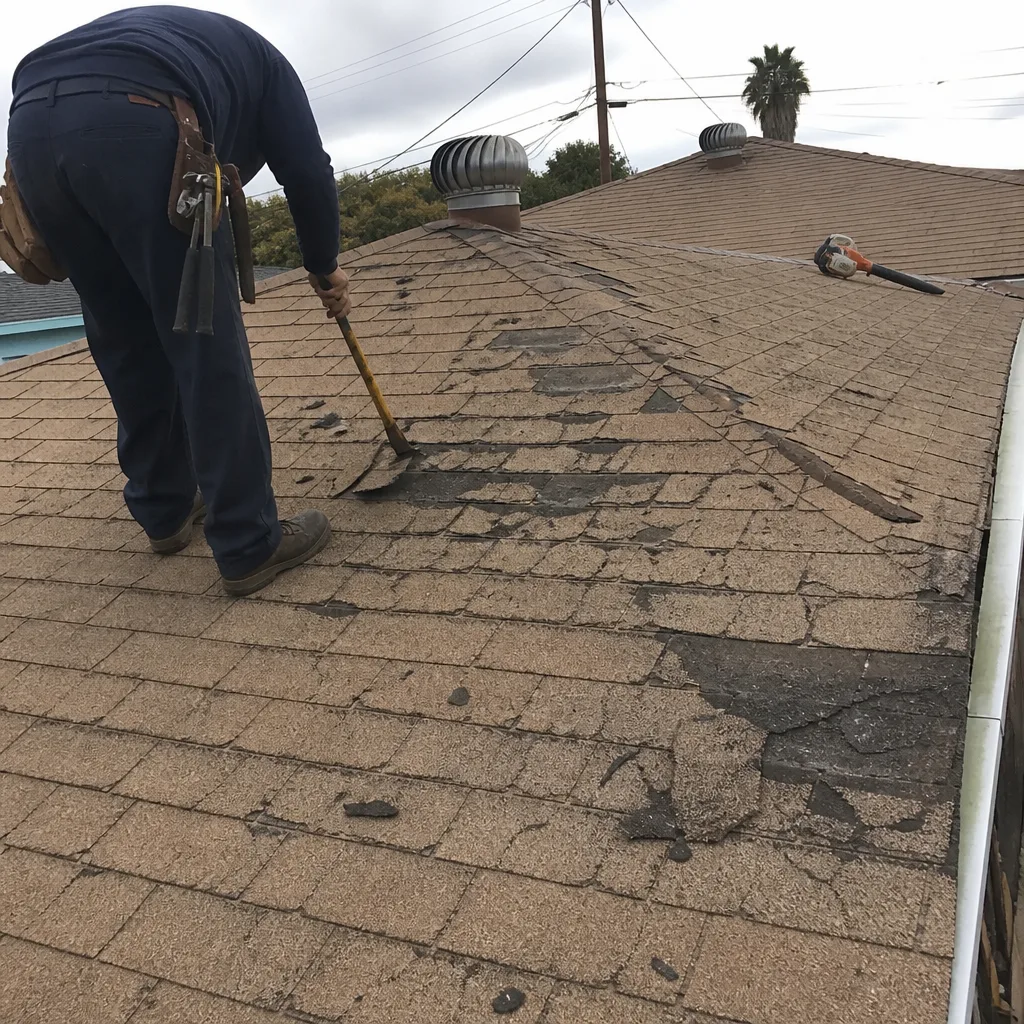 Before
 After
 Before
 After
 Before
 After