Last updated October 31, 2026
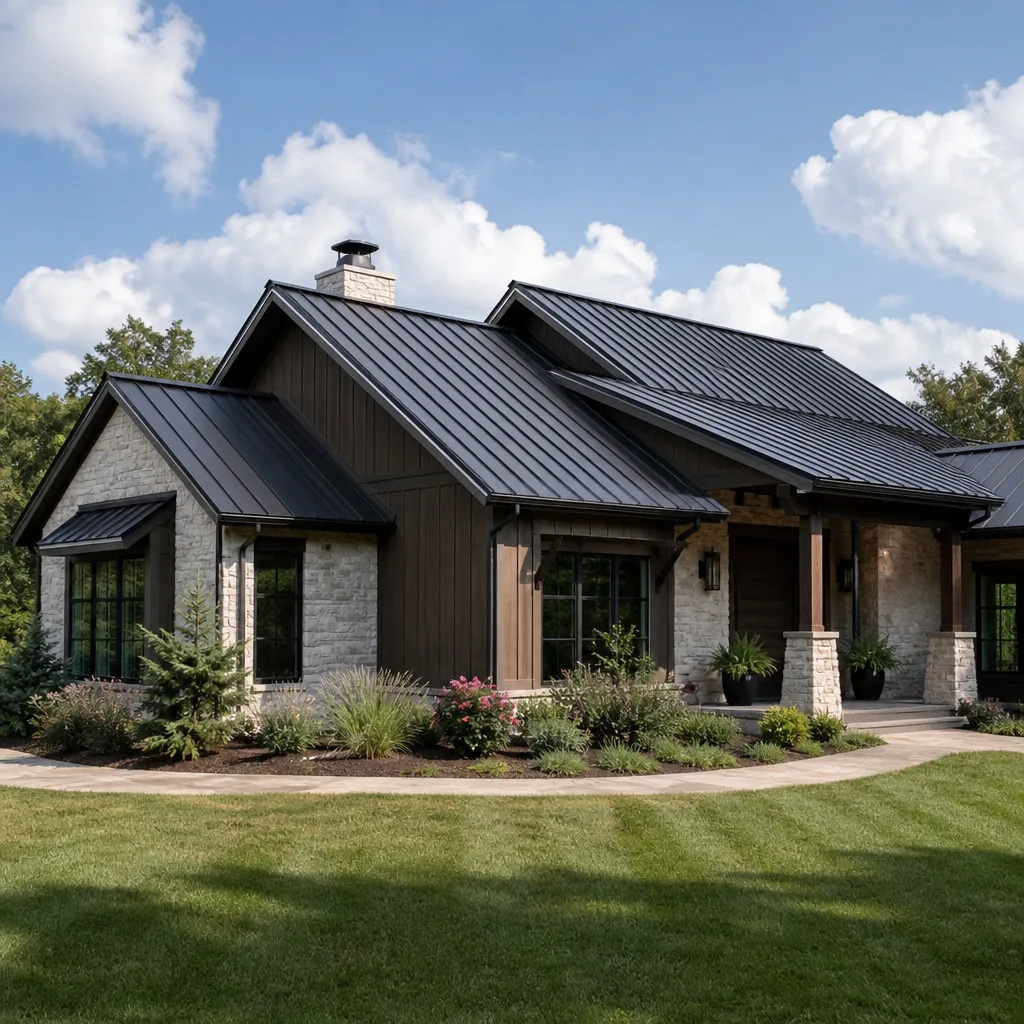 Metal roofing
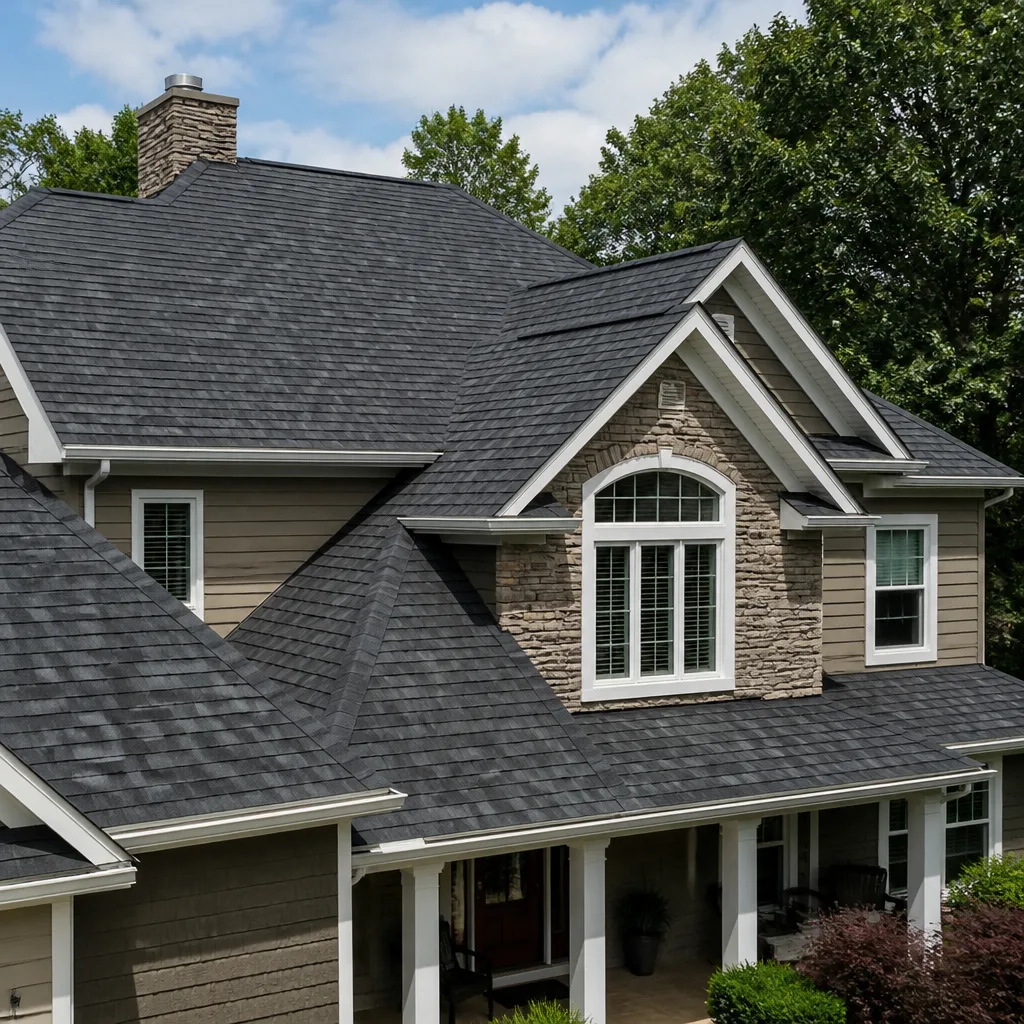 Architectural shingles
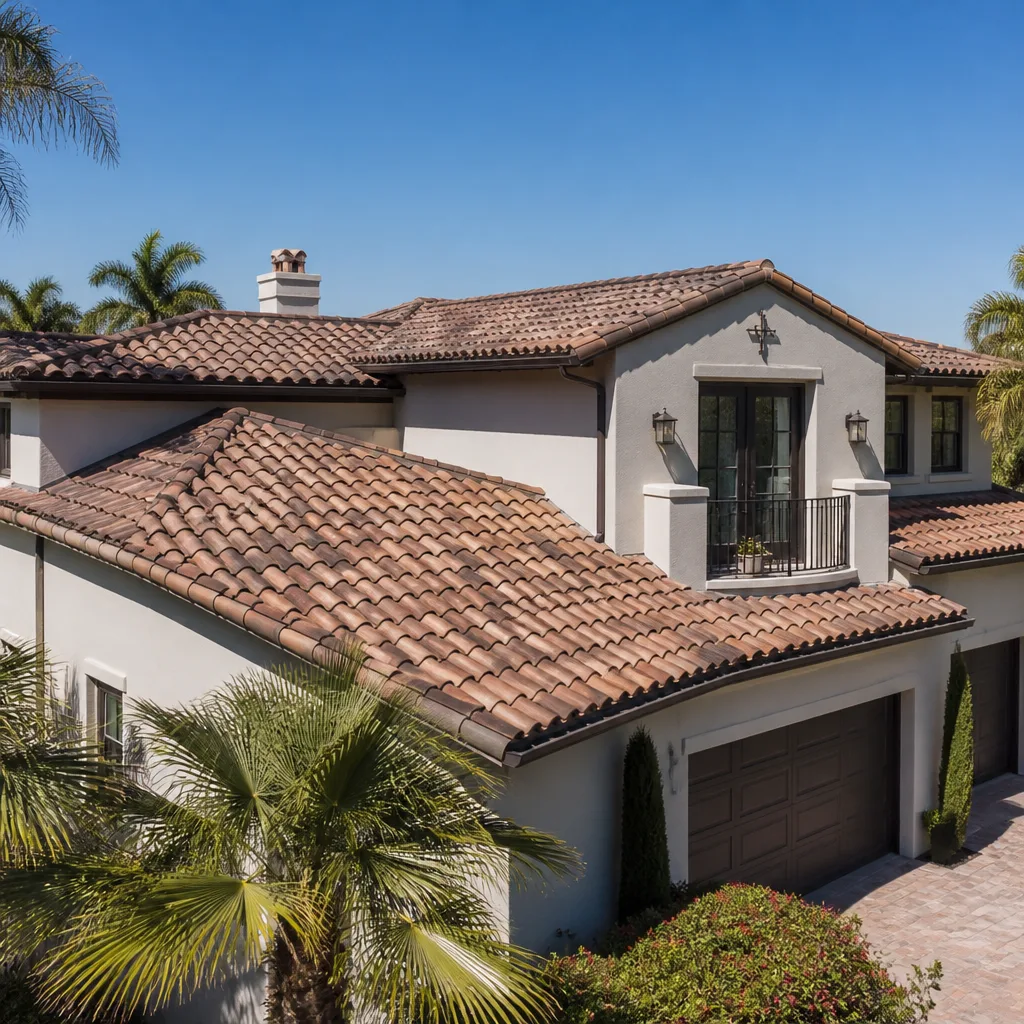 Tile roofing
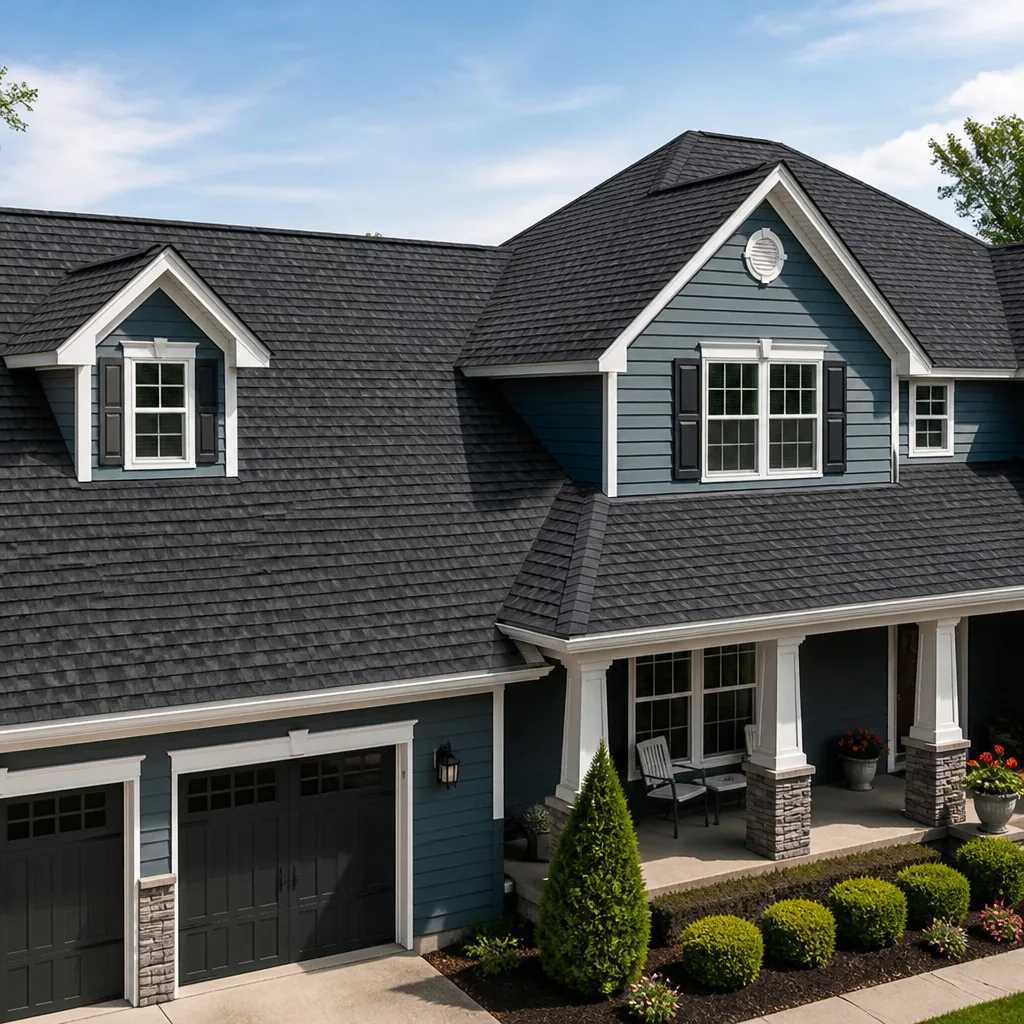 GAF
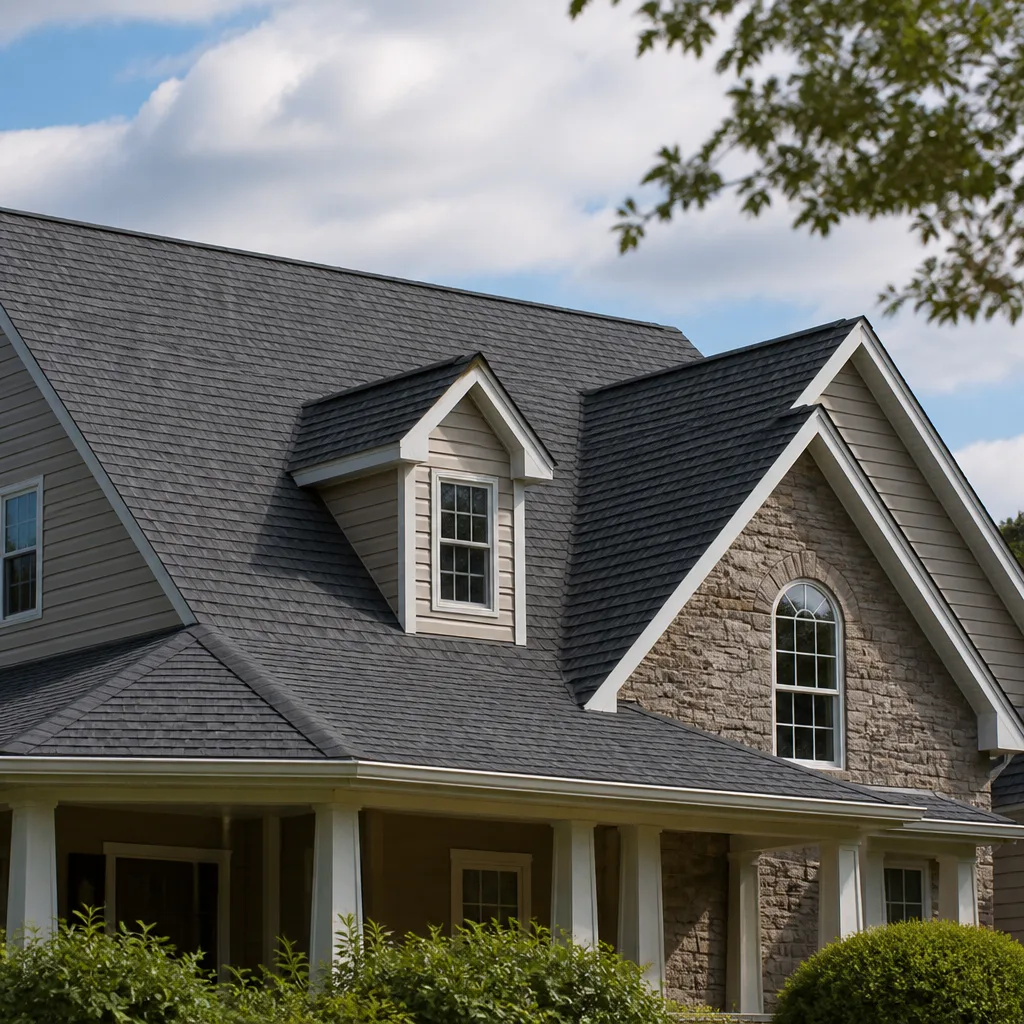 Owens Corning
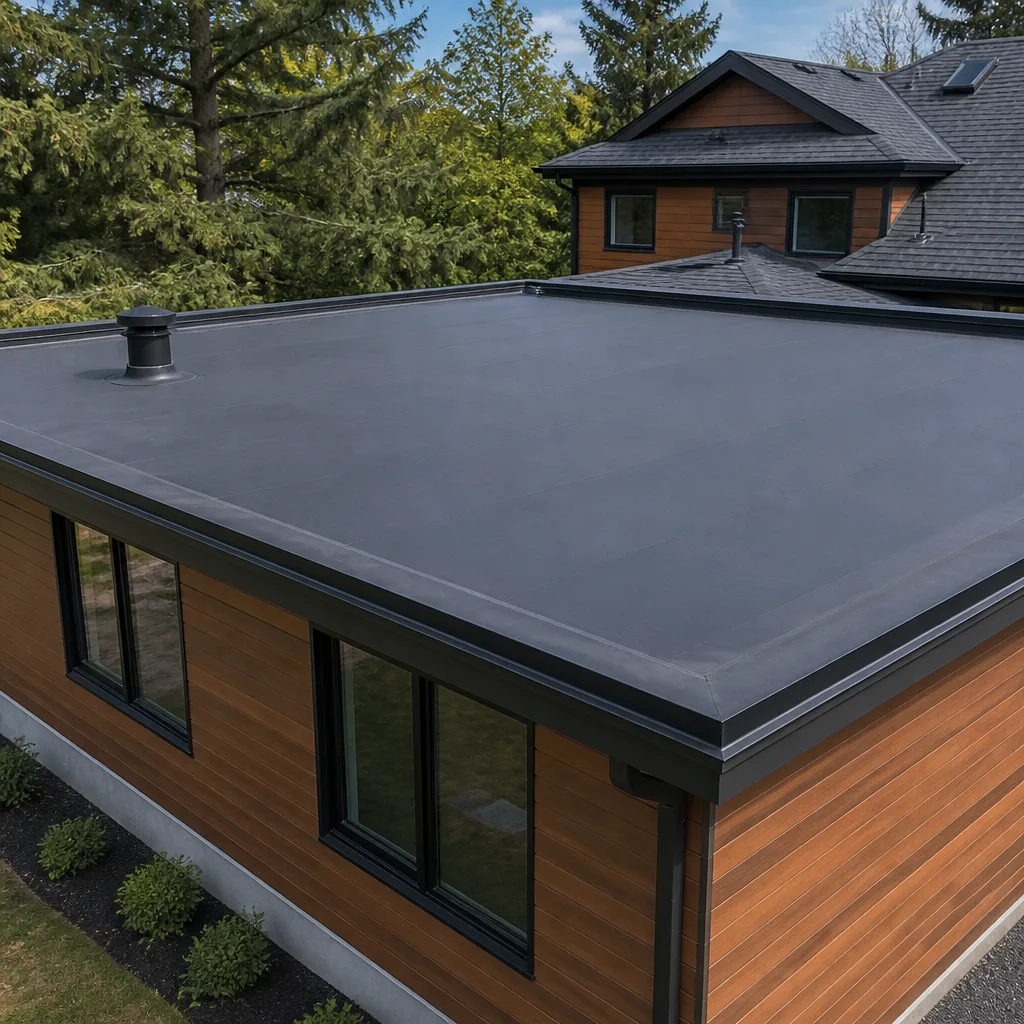 Flat & low-slope
Free roof inspection with deck photos before we talk money - GAF and Owens Corning certified installation
Choosing the Right Roofing Brand: A Buyer’s Guide for East Los Angeles
Here’s a fact most roofing companies won’t tell you: a “50-year shingle warranty” often protects the manufacturer more than it protects you. By year 11, most warranties have prorated to a fraction of the original value. By year 15, you’re covering labor costs yourself. In East Los Angeles, where summer UV exposure bakes roofs daily and Santa Ana winds hit hardest between October and March, choosing a brand based on the big number on the box leaves you exactly where you started: unprotected when it matters. This guide explains what actually differentiates one shingle manufacturer from another, which specifics matter for ELA climate conditions, and how to match warranty structure to your actual risk exposure. You’ll leave knowing more about roofing materials than most contractors do.
Quick Answer
The right roofing brand for an East Los Angeles home depends on three factors: your roof’s pitch, your exposure to wind-driven rain during Santa Ana events, and which warranty terms actually protect you during years 1 through 10. Owens Corning, IKO, Atlas, and Tamko all manufacture qualified products, but their warranty structures, wind ratings, and algae-resistance formulas differ in ways that directly affect performance on ELA homes. Material-agnostic contractors like Sunrise Roof Repair stock multiple brands so recommendations are driven by your roof’s specific conditions, not by brand exclusivity agreements.
Styles & brands we work with
Table of Contents
- What Actually Matters in a Roofing Brand Decision
- Warranty Terms That Matter for East Los Angeles Homeowners
- Wind Resistance Ratings and Santa Ana Exposure
- Algae Resistance and UV Degradation in the ELA Climate
- Shingle Weight and Granule Adhesion: The Overlooked Specs
- Why the Best Brand Depends on Your Roof Type
- What Manufacturer Credentialing Levels Actually Mean
- Local Distributor Presence and Replacement Product Availability
What Actually Matters in a Roofing Brand Decision
Walk into any roofing supply house and you’ll see the same pattern: every brand claims to be the toughest, the most durable, the best value. The marketing copy sounds identical because the underlying technology is similar. What separates manufacturers at the product level comes down to four measurable specs: wind uplift rating, algae-resistance formulation, shingle weight per square, and the granule adhesion process. Everything else is branding.
In East Los Angeles, the first two matter more than they do in most of the country. We see roof failures in Boyle Heights, El Sereno, and City Terrace that trace directly back to wind-driven rain intrusion during Santa Ana events. Shingles that held fine during normal weather separate at the seal strip when sustained gusts exceed their rating. What that means for you: a brand’s wind warranty is not a marketing bullet. It’s a performance threshold.
Here’s the framework we give homeowners during an objective roof inspection in East Los Angeles:
- Wind rating tells you what your roof can withstand before the manufacturer considers failure “your problem,” not theirs.
- Algae resistance matters more than most homeowners think, especially on north-facing slopes and under tree canopy where moisture lingers.
- Shingle weight correlates with fiberglass mat density, which translates directly to tear resistance and longevity in high-heat environments.
- Granule adhesion is the difference between a roof that looks new at year 12 and one that’s shedding ceramic granules into your gutter at year 8.
Warranty Terms That Matter for East Los Angeles Homeowners
The headline number on a shingle warranty is the least useful piece of information on the label. A “lifetime” warranty doesn’t mean lifetime. It means the manufacturer has committed to a proration schedule that declines over a defined number of years. After the non-prorated period ends, typically 10 years, you’re reimbursed for a declining percentage of the material cost only. Labor is almost never covered. Here’s the warranty structure we tell every roof replacement customer in East Los Angeles to examine before choosing a brand:
Five Warranty Clauses That Decide Whether You’re Actually Protected
- Non-prorated period length. How many years does the manufacturer cover materials at 100% of original value? Most brands offering “lifetime” coverage fully protect years 1 through 10. Some extend this to year 15. After that, the reimbursement percentage drops fast.
- Wind speed rating threshold. What sustained wind speed triggers coverage? 110 mph is standard. 130 mph is better. Any claim requires proof the wind actually exceeded the rated threshold during the damage event, and weather station data doesn’t always reflect the microclimate at your specific address.
- Labor inclusion window. Does the warranty include labor costs during the first few years? Most don’t. Some manufacturers offer a labor allowance during years 1-3 when installed by a credentialed contractor. After that, labor is your responsibility.
- Transferability rules. If you sell your home, does the warranty transfer to the buyer? Some brands offer full transferability, some offer a reduced transferable period, some don’t transfer at all without action within 60 days of sale. This affects resale value conversations.
- Installation credential requirement. Nearly every manufacturer ties enhanced warranty coverage to installation by a contractor who holds a specific credential level with that brand. A homeowner who buys premium shingles through an uncertified installer often gets only the base warranty.
We recommend reading the full warranty document, not the marketing summary. A full warranty PDF runs 3-5 pages. Every page has conditions. Homeowners in East Los Angeles who skip this step during a roof repair or replacement project routinely discover coverage gaps after a claim gets denied.
Wind Resistance Ratings and Santa Ana Exposure
Santa Ana winds are not dramatic weather events. They’re slow, persistent pressure systems that dry out the air and push sustained winds between 40 and 60 mph through the East Los Angeles valleys for days at a time. Roofs in Lincoln Heights and Monterey Park face different exposure than homes in the flats near East LA College, where buildings create windbreaks. But every ELA roof experiences at least some Santa Ana pressure annually.
Standard architectural shingles carry a 110 mph wind rating. That’s adequate for most East Los Angeles homes. But we’ve seen seal failures on roofs with full southern exposure where wind finds a path over the roof plane and creates uplift at the leading edge. When that happens, shingles with a 130 mph rating fail later than those with a 110 mph rating. It’s not that the wind reaches 130 mph. It’s that the margin of safety creates a longer service life under repeated stress.
Here’s how the major manufacturers stack up on wind performance:
- Owens Corning – most architectural lines carry a 130 mph wind rating when installed with the recommended nail pattern and sealant. Their TruDefinition Duration series is widely specified in coastal and high-wind markets.
- Atlas – offers 110 mph as a base on their standard lines, with StormMaster and Pinnacle lines up to 130 mph. Atlas uses a Scotchgard-protected algae layer on premium products, which addresses a different failure mode we’ll cover below.
- Tamko – Heritage series carries 110 mph standard, with upgraded wind coverage available through their contractor credentialing programs. Tamko’s warranty language emphasizes sealant activation and nail placement as conditions.
- IKO – Cambridge and Dynasty lines carry 110 mph standard. IKO’s heavier shingle construction offsets some wind vulnerability because the shingle mass resists flutter, but the official rating remains 110 mph on most products.
What this means for an East Los Angeles homeowner: if your roof has significant southern or eastern exposure, if you’re on a hillside or at the top of a rise, or if your roof is older and you want maximum margin – a 130 mph rated product is worth the small premium. If your home sits in a dense neighborhood with substantial windbreaks, 110 mph products provide adequate protection for the local climate.
Algae Resistance and UV Degradation in the ELA Climate
East Los Angeles gets roughly 292 sunny days per year. UV exposure is relentless. But the bigger threat to shingle appearance and granule integrity is not UV alone. It’s the combination of UV, airborne particulate from freeway traffic, and moisture patterns that vary by slope orientation. North-facing slopes in Montecito Heights and surrounding neighborhoods hold moisture longer after rain, creating conditions where algae and cyanobacteria take root.
Here’s why that matters beyond aesthetics: the blue-green algae that forms dark streaks on roofs is not just ugly. It holds moisture against the shingle surface. That moisture accelerates granule loss and can eventually compromise the asphalt layer. A roof with active algae growth at year 5 will look like a 20-year-old roof at year 10 if nothing is done.
Every major manufacturer addresses algae differently:
Owens Corning embeds copper-coated mineral granules into their shingle surface. Copper naturally inhibits algae growth, and the formulation in their Duration line is effective for 10-15 years depending on shade and moisture levels.
Atlas uses a proprietary Scotchgard formulation on their premium lines. It’s a chemical treatment applied during manufacturing that releases slowly over time. Atlas coverage lasts 10-12 years in testing, slightly shorter in extreme shade conditions.
Tamko uses a similar copper granule approach but at a lower concentration in their standard products. Their premium lines match industry performance.
IKO offers algae resistance on most lines, with their Cambridge series carrying a 10-year algae warranty. The warranty covers replacement product only, not labor.
For East Los Angeles homeowners with significant shade over the roof plane, we recommend paying attention to the algae resistance warranty specifically. Ask the contractor which products carry a separate algae warranty versus those where algae resistance is just a marketing line. The distinction appears in the warranty document, not the product page.
Shingle Weight and Granule Adhesion: The Overlooked Specs
Shingle weight matters because it reflects fiberglass mat density and asphalt saturation. Heavier shingles resist tearing during installation and perform better when walking crews move across the roof for maintenance. They also resist curling and cracking in high-heat conditions, which East Los Angeles sees every summer.
A standard 3-tab shingle weighs about 220 pounds per square (100 square feet). Architectural shingles run 240 to 300 pounds per square, depending on the manufacturer and line. The difference comes from thicker fiberglass mats and additional asphalt layers. In high-heat environments, that density translates to dimensional stability. Shingles that can’t hold their shape under repeated thermal cycling eventually crack at the nail line or separate at the seal strip.
Granule adhesion is harder to measure without lab equipment, but you can observe it. Shingles that shed granules heavily during installation are more likely to shed under UV exposure. We see this on re-roofs of older homes in East Los Angeles where the previous shingle layer looks thin and gray while the edges still hold color. That’s granule loss from the field of the shingle, and it accelerates once the asphalt layer gets exposed to direct UV.
What to look for: ask your contractor about the manufacturing process for each brand. IKO uses a heavy mineral granule formulation with a dense application process. Tamko’s shingle weight runs on the heavier end for their class. Owens Corning’s TruDefinition product line includes a granule adhesion process designed to hold color longer in high-UV environments. Atlas runs slightly lighter on shingle weight but compensates with their chemical blade seal.
Why the Best Brand Depends on Your Roof Type
Roofs are not fungible. A product that performs beautifully on a steep traditional gable in East Los Angeles may be the wrong choice for a low-slope addition, a flat-roof porch, or a mid-century modern with a subtle pitch. Most East Los Angeles homes fall into one of three categories:
1. Traditional pitched roofs, roughly 4:12 or steeper
This is the standard ELA home: gabled or hipped, with enough slope for architectural shingles to shed water effectively. All major brands have qualified products in this category. Your decision comes down to wind exposure (covered above), algae resistance, and warranty structure. Architectural shingles from Owens Corning, IKO, Atlas, and Tamko all install cleanly on pitched roofs and carry 100+ mph wind ratings.
2. Low-slope roofs, between 2:12 and 4:12
Low-slope systems need different underlayment and installation methods regardless of brand. Many manufacturers produce shingles rated down to 2:12 or 3:12 pitch, but the installation requirements change: more underlayment coverage, sealed deck joints, and sometimes ice and water barrier in high-risk areas. The brand matters less than the installer knowing the low-slope specifications. A qualified contractor who installs on the correct underlayment for the pitch is worth more than a premium brand on the wrong substrate.
3. Flat or near-flat sections, below 2:12
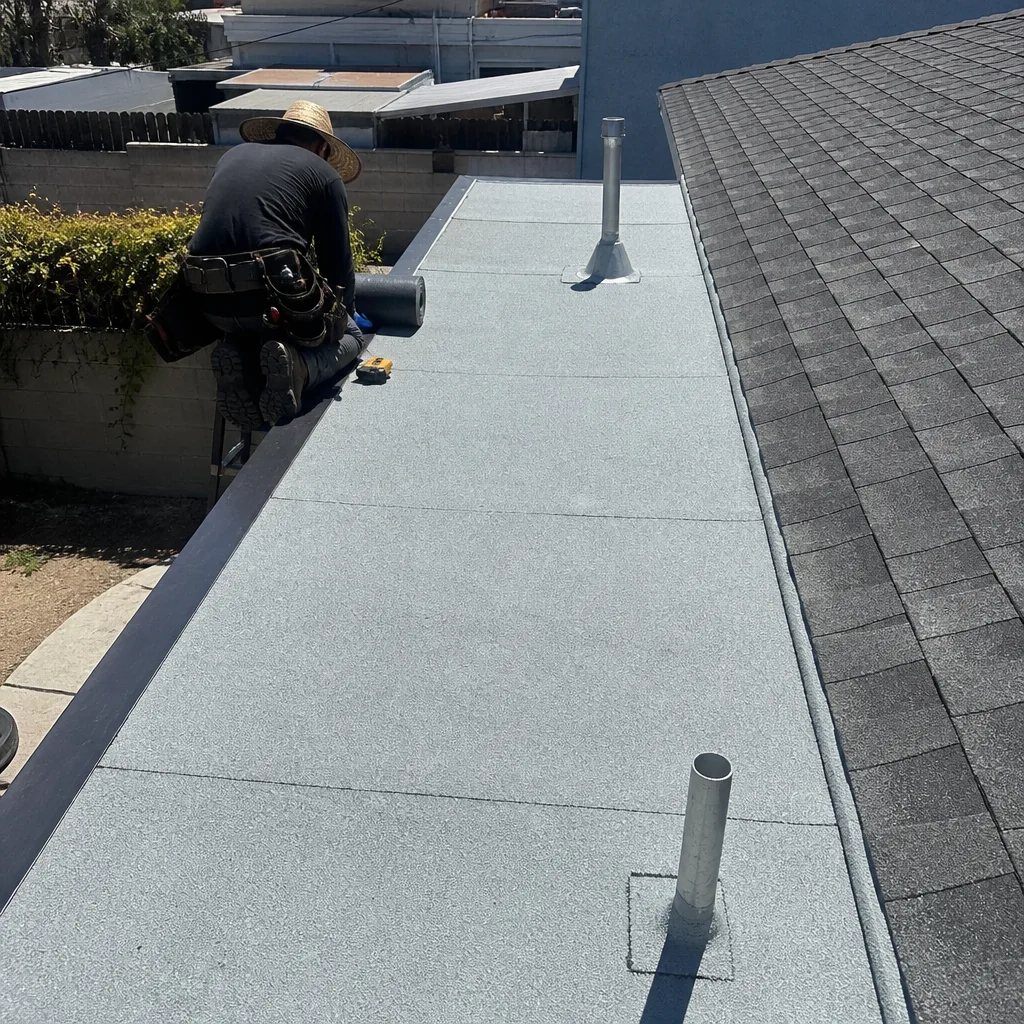
Shingles are the wrong product for flat sections, regardless of brand. These areas need a membrane system (TPO, PVC, or modified bitumen). Sunrise Roof Repair’s material-agnostic approach means we’ll recommend a membrane for these sections rather than forcing a shingle solution. The same manufacturer that makes good architectural shingles usually doesn’t make the best membrane system, which is exactly why a single-brand contractor creates problems on mixed-roof homes.
East Los Angeles has a lot of mixed-roof homes: steeper main roofs with flat patio covers, garage transitions, or enclosed porch areas. Matching products to each section requires a contractor who understands both shingle and membrane systems, not one brand’s product line.
What Manufacturer Credentialing Levels Actually Mean
Every major manufacturer runs a contractor certification program. The tiers have different names – preferred, elite, master, platinum – but the structure is consistent: higher tiers require more manufacturer training, more volume, and more consistent quality scores. In return, the contractor gains access to enhanced warranty coverage that they can offer to their customers.
Here’s the sequence most brands follow:
- Base level. The contractor can purchase the brand’s products and install them. Customers receive the standard manufacturer warranty only.
- Advanced level. The contractor completes manufacturer training modules and maintains a minimum installation volume. Customers may qualify for extended warranty coverage, sometimes including a labor component during early years.
- Master or elite level. The contractor maintains high volume, submits to quality audits, and satisfies manufacturer-specific requirements. Customers at this level access the brand’s strongest warranty offerings, including limited lifetime coverage with extended labor windows.
Why this matters to an East Los Angeles homeowner: warranty coverage is tied to the contractor’s credential level at the time of installation. If you hire a base-level contractor to install a premium product with a great warranty, you receive base-level coverage. That’s a material difference during a claim.
Sunrise Roof Repair maintains active relationships with multiple manufacturers so customers have credible options across brands. We don’t hold exclusive status with any single manufacturer, and that’s intentional. Exclusive certification would push recommendations toward one product line regardless of fit.
Local Distributor Presence and Replacement Product Availability
Here’s a detail most guides miss: your brand choice determines what happens when you need replacement product five, ten, or fifteen years from now. Shingle colors and product lines get discontinued. When they do, the replacement options come from whichever products remain in manufacturer distribution.
East Los Angeles homeowners benefit from strong local distributor presence for most major brands. The roofing supply chain in Southern California carries product from Owens Corning, CertainTeed, IKO, Atlas, Tamko, GAF, and Boral at multiple yards within a 30-minute drive of East Los Angeles. That proximity matters when a repair window is urgent and you need matching product quickly.
But there’s a second issue: dye lot matching. Shingles are manufactured in batches. Shingle bundles from different production runs can differ slightly in color. When you install a full roof at once, the contractor pulls bundles from a single run. When you need repair shingles years later, the matching product may come from a different batch. The larger the manufacturer’s local inventory, the better the chance of finding bundles that match your existing roof.
We tell homeowners this during roof repair projects in East Los Angeles: if you’re buying a new roof, note the shingle color name and the manufacturer’s product line. Keep that information with your home records. If you sell the home, pass it to the buyer. It saves hundreds of dollars in matching costs later.
Common Mistakes to Avoid
- Buying on warranty length alone. A lifetime warranty with a weak proration schedule protects the manufacturer, not you. Read the full document. The non-prorated period and labor coverage window are what actually matter.
- Ignoring wind rating because “Santa Anas aren’t hurricanes.” Repeated 50 mph wind events cause cumulative seal damage. Homes with full southern exposure in East Los Angeles benefit from 130 mph rated products even if the wind never reaches that speed.
- Failing to check the contractor’s credential level with the chosen brand. Enhanced warranty coverage may not apply if your installer doesn’t hold the right manufacturer status. Ask before signing, not after the installation.
- Choosing the same product for every roof section. Flat and low-slope sections require different materials than pitched areas. A single-brand approach often forces the wrong product onto sections that need a membrane system.
- Not documenting the product line and color after installation. Five years later, when you need repair matching, that information saves real money. Keep it in your records with the warranty documents.
- Waiting until a leak appears to think about the roof’s brand. A roof inspection before problems develop catches wear patterns early. An independent roof inspection in East Los Angeles costs less than a single water damage repair.
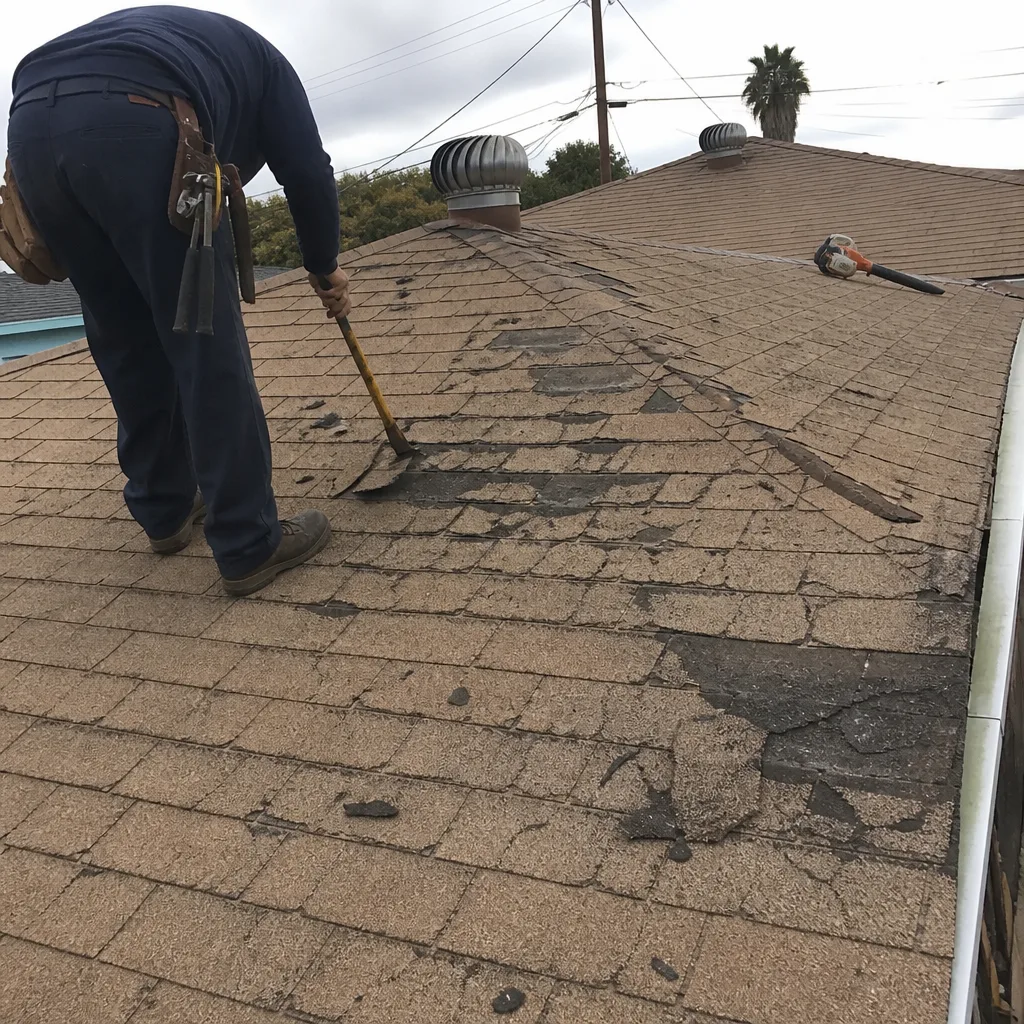
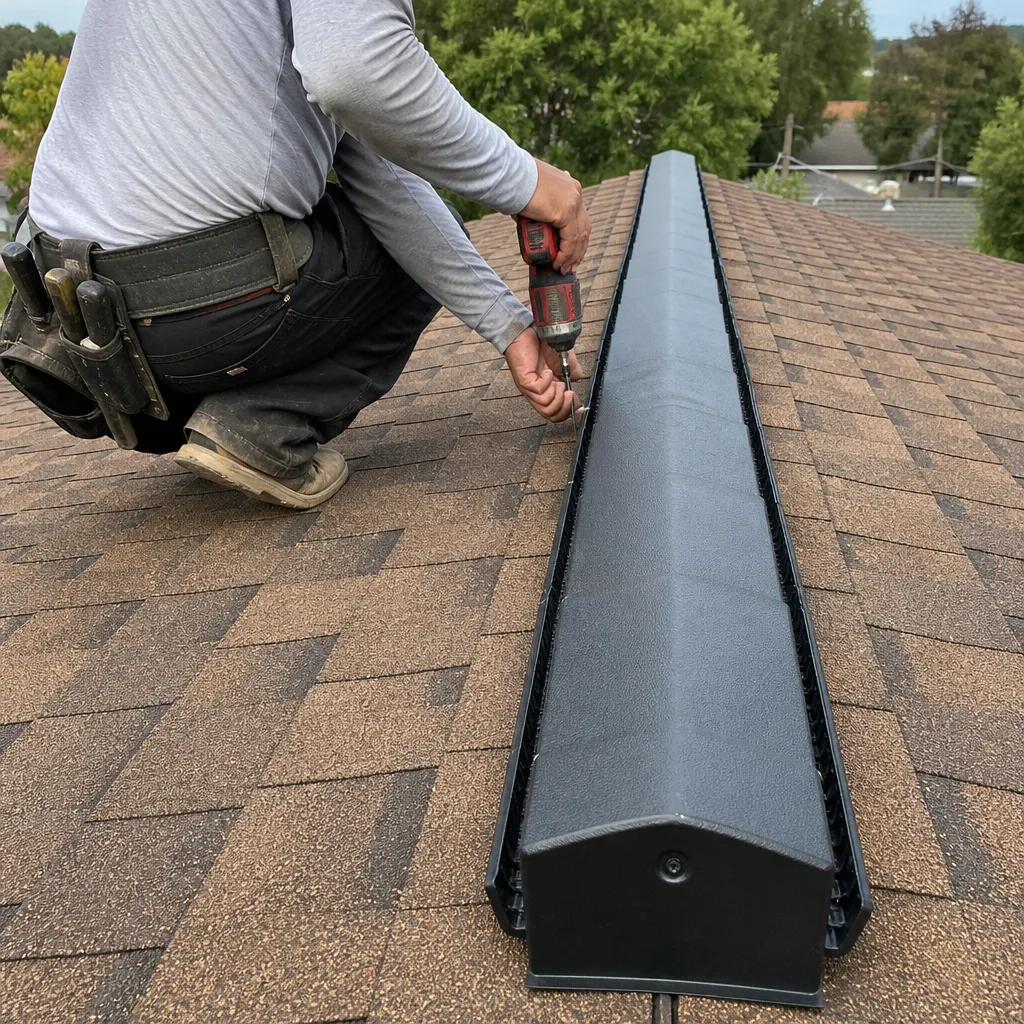
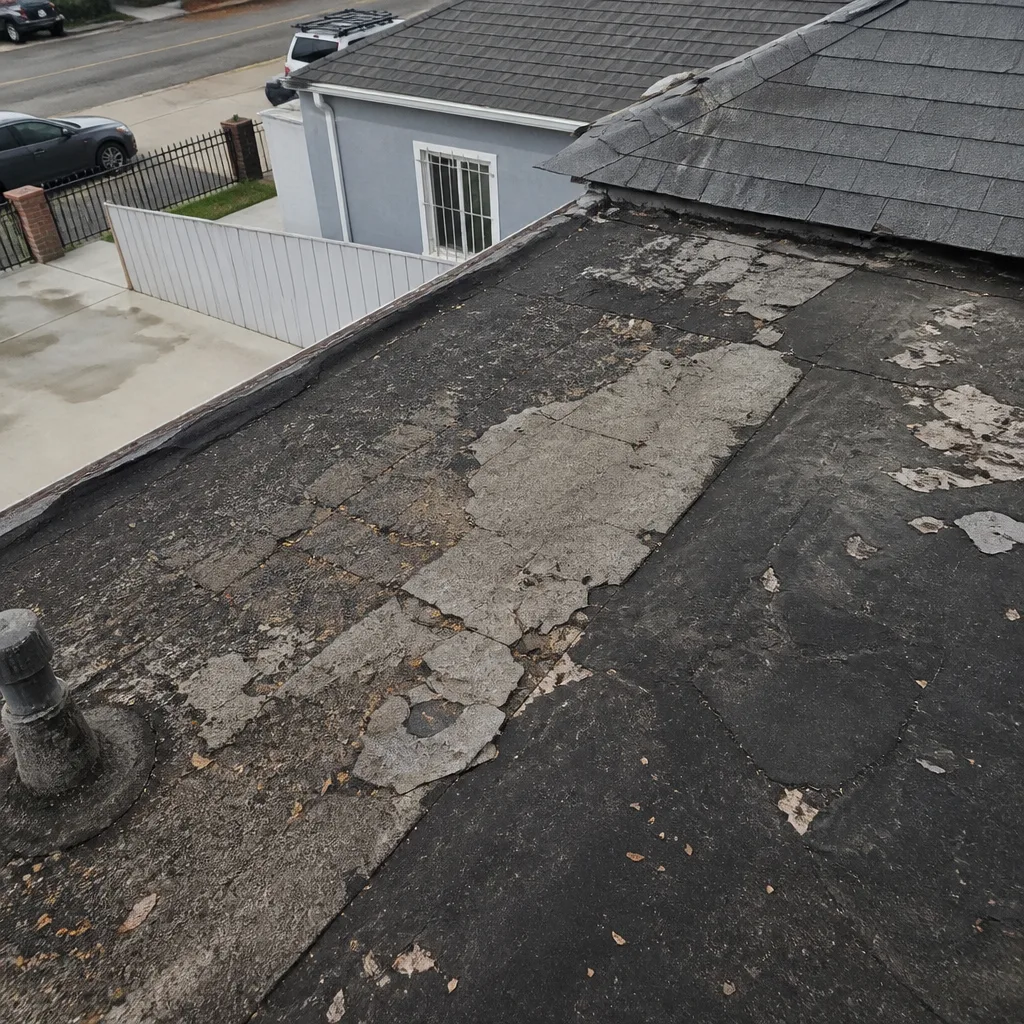
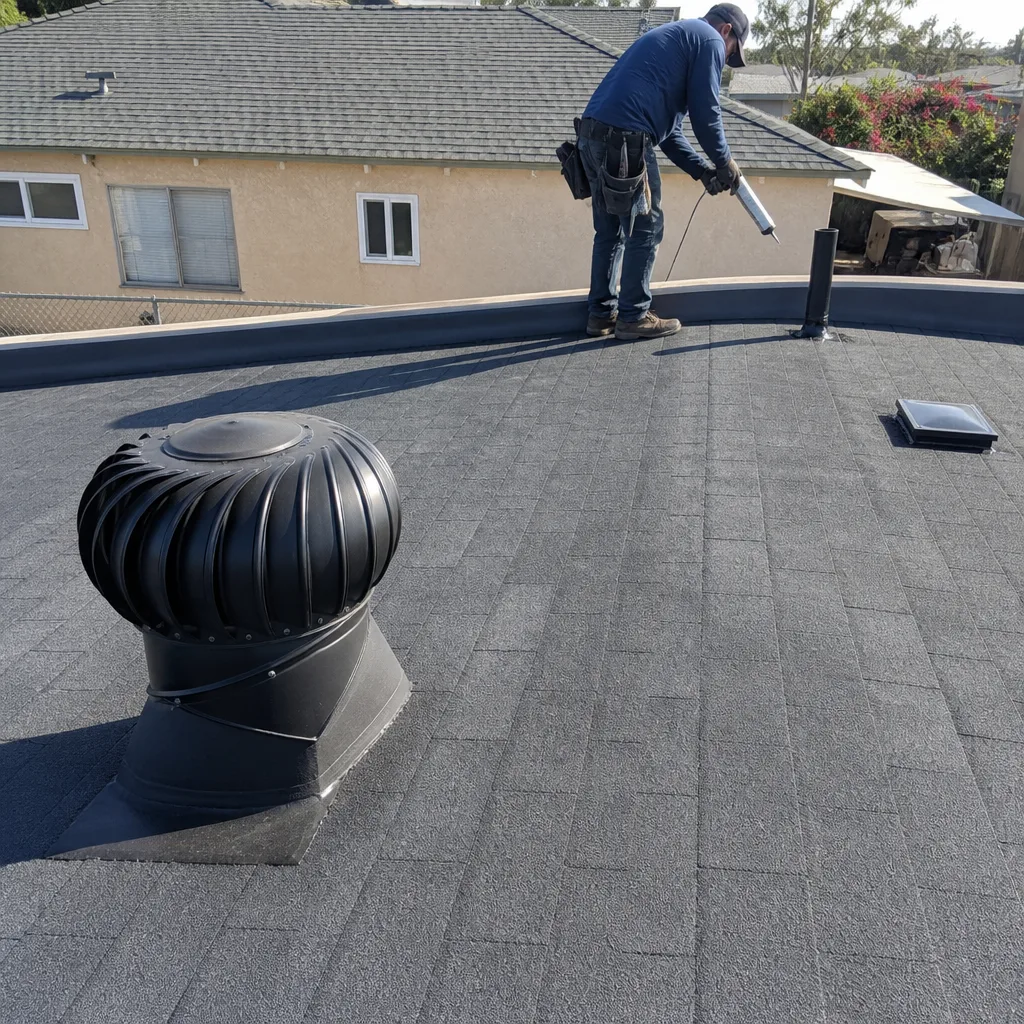
See the difference
 Before
 After
 Before
 After
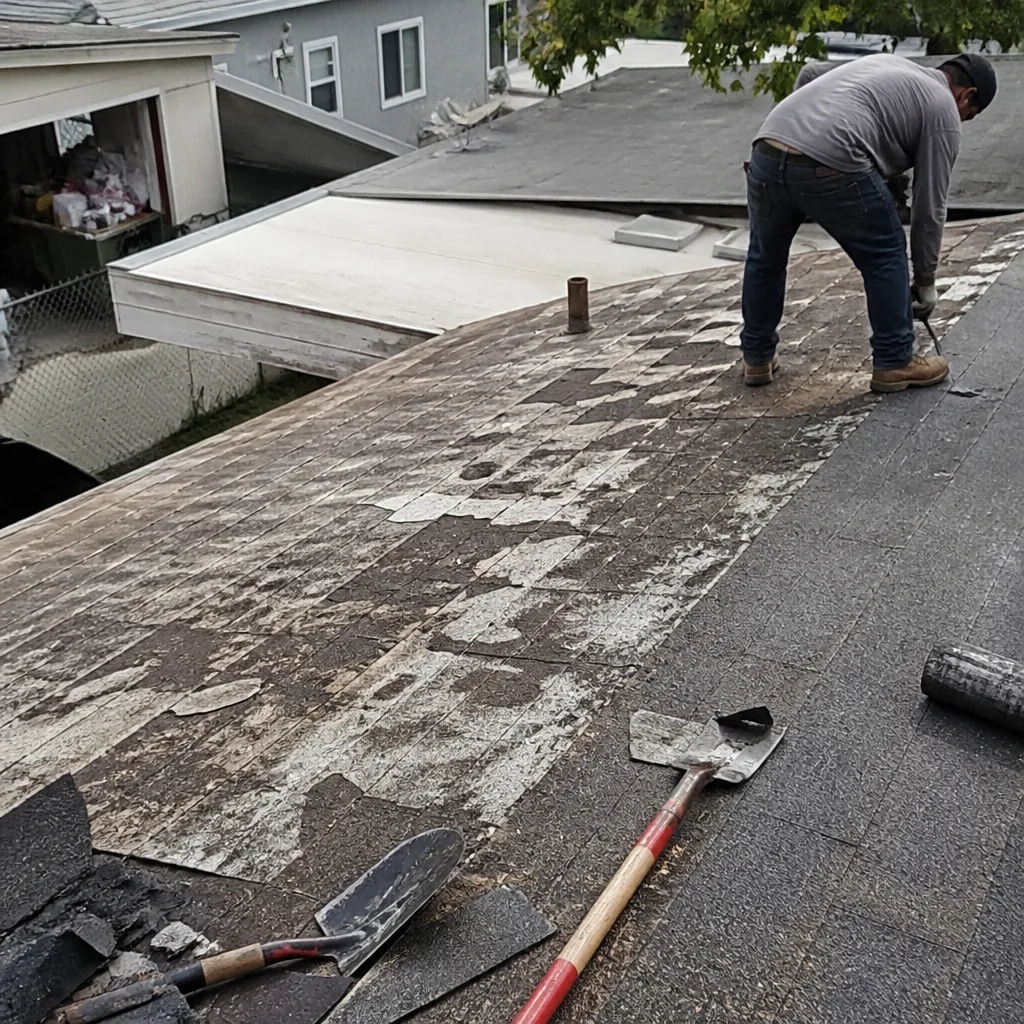 Before
 After
When to Call a Professional
You don’t need to become a roofing engineer to make a smart brand decision. But you do need honest information from someone who isn’t tied to a single manufacturer. Call a professional if you see granule accumulation in your gutters, shingles lifting at the edges after wind events, dark streaking spreading across your roof plane, or any interior water staining on ceilings or walls. If your roof is over 15 years old and has never been inspected, schedule one before the next rain season. Sunrise Roof Repair offers free estimates in East Los Angeles – call (877) 752-3460 to schedule yours. We inspect first and recommend second, whether that’s a targeted repair or a full roof replacement for your East Los Angeles home.
Frequently Asked Questions
There’s no single best brand for every East Los Angeles home. The right product depends on your roof’s pitch, wind exposure, and moisture conditions. Owens Corning, IKO, Atlas, and Tamko all manufacture qualified architectural shingles with varying wind ratings, algae resistance, and warranty structures. A material-agnostic contractor can match the product to your specific conditions rather than steering you to one brand. Call (877) 752-3460 for an assessment of your roof’s actual needs.
Not necessarily. Most homes in dense East Los Angeles neighborhoods have enough windbreak from surrounding structures that 110 mph rated shingles provide adequate protection. If your home sits on a hillside, has full southern or eastern exposure, or shows existing wind damage, a 130 mph product is worth the small premium. We can assess this during a roof inspection in East Los Angeles before you commit to a product.
Roof replacement costs vary by product line, roof complexity, and scope. Premium architectural shingles from leading manufacturers cost more than entry-level products from any brand, but the long-term warranty and performance differences can offset the initial premium. For an exact quote on your home, call (877) 752-3460. Estimates are free and we provide written line-item pricing.
It shouldn’t, provided the scope was assessed correctly up front. Factors that cause change orders include discovering rotted decking, unexpected ventilation issues, or hidden damage under the existing roof. Sunrise Roof Repair uses fixed pricing with no change orders for the scope we quote, and we document any supplementary work before proceeding. Ask about this when you call (877) 752-3460 for a free estimate.
Yes. Roof replacement in the City of Los Angeles requires a building permit, and we handle the permit process as part of the project. Inspections are scheduled at the required intervals, and we don’t consider a job done until it passes. For East Los Angeles residents, the permit requirement applies to full reroofs, though some repair scopes may be exempt. We’ll clarify what’s required for your specific project when we inspect.
Most residential roof replacements in East Los Angeles take 2 to 4 days for the tear-off and installation, depending on roof complexity, weather, and the inspection schedule. Mixed-roof homes with flat sections take longer because of the membrane system installation. We’ll give you a project timeline before work begins so you can plan around the construction. Call (877) 752-3460 for a schedule estimate on your home.
The Bottom Line
Your roofing brand decision matters more than most homeowners realize, but not for the reasons the marketing suggests. The warranty’s fine print, the wind rating’s margin of safety, and the product’s performance in East Los Angeles heat and Santa Ana winds determine whether you’re actually protected. A material-agnostic contractor who stocks seven brands gives you options. An independent inspection before any commitment gives you clarity. If your roof is aging, damaged, or you’re simply not sure what you’re working with, start with an inspection. You’ll know what you actually need before anyone tries to sell you something you don’t.
Call (877) 752-3460 to schedule your free estimate. We’re at Sunrise Roof Repair, serving East Los Angeles with honest assessments, seven brand options, and right-sized scope recommendations.
Written by the team at Sunrise Roof Repair, serving East Los Angeles since 2015.